Finding the Car Beneath the Layers: A 1929 Rolls-Royce Phantom I Brewster Ascot Phaeton
We have had the pleasure of working with the Audrain Collection and the Schorsch family on several significant automobiles, but when this 1929 Rolls-Royce Phantom I arrived at Automotive Restorations, it immediately stood apart. Not because it was flashy, but because it had presence. An Ascot Phaeton bodied by Brewster, it carries unusually sporty lines for a Phantom I, giving the car a lightness and elegance that is instantly apparent once you see it in motion.
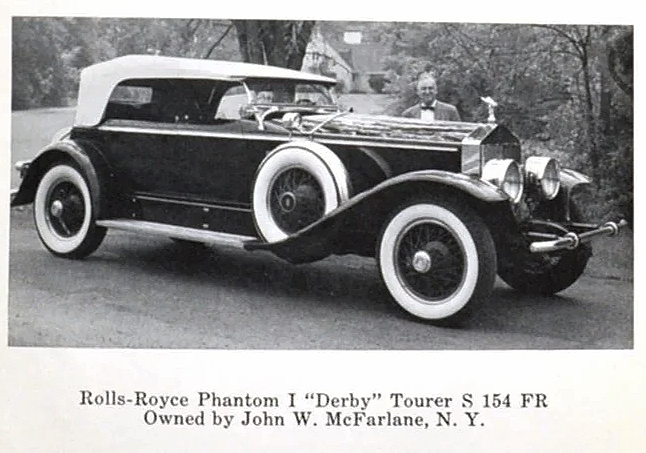
Built in Springfield, Massachusetts, the car was originally delivered to its first owner in Pasadena, California. From the very beginning, it was a Phantom tailored to personal taste. Upon delivery, the original owner was dissatisfied with the standard Brewster side screens and wanted something more refined for passengers. The car was taken to Murphy in Pasadena, where wind-up windows, a screen, and additional interior comforts were fitted. This blend of Brewster coachwork with Murphy modifications makes this Phantom I a truly unique example, a car shaped not just by factory practice but by owner intent.
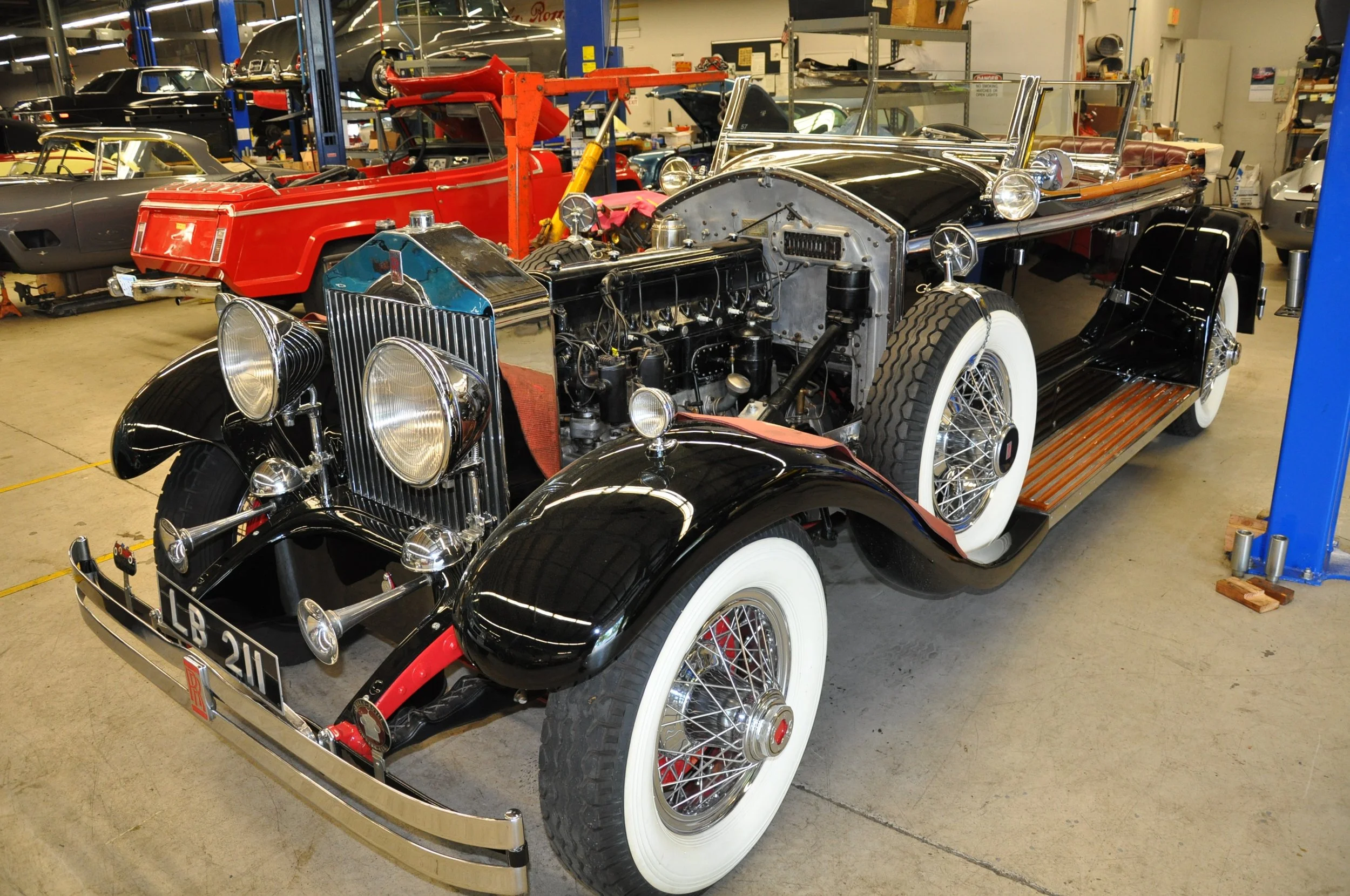
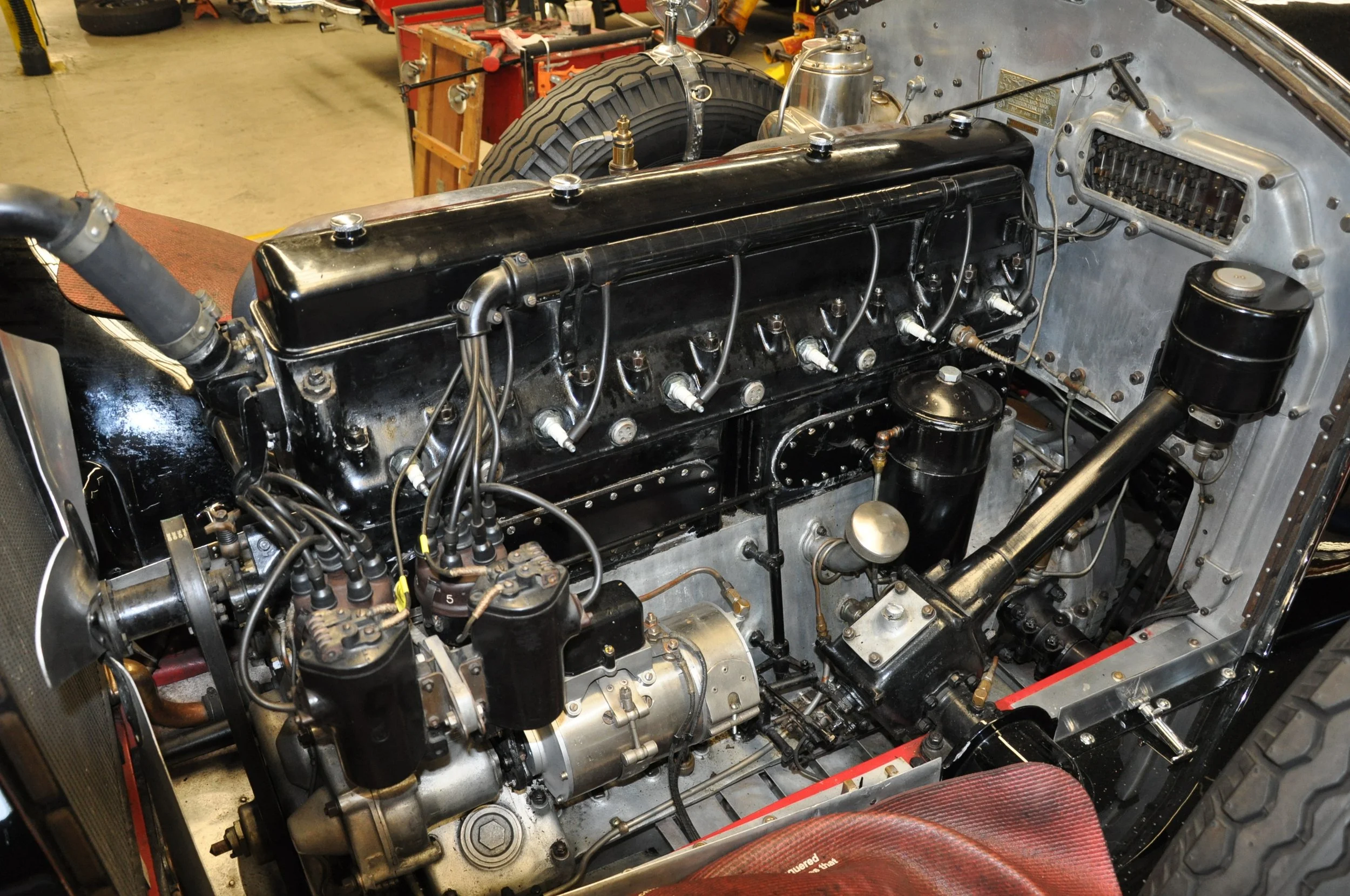
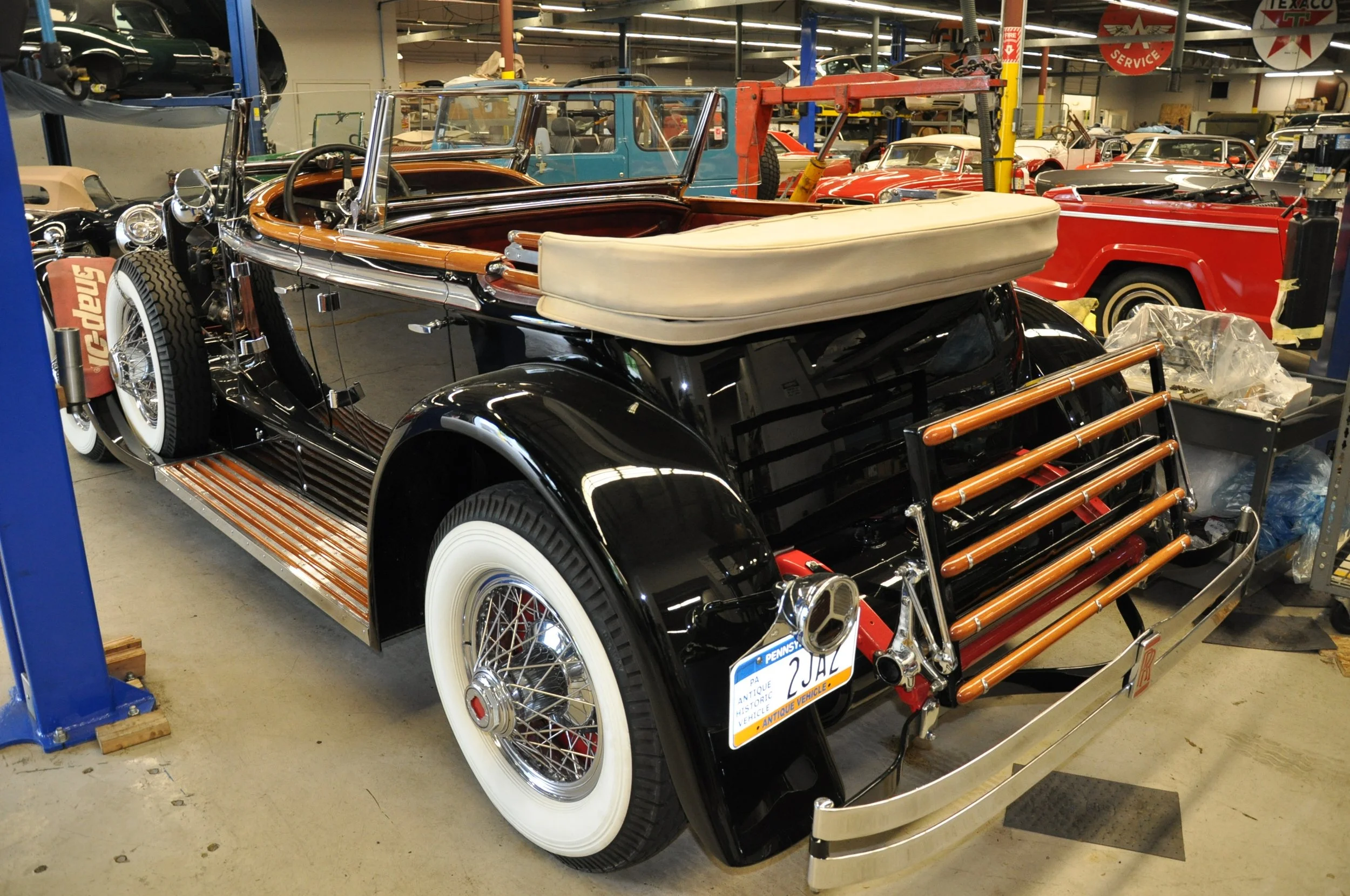
When the Phantom arrived in Connecticut, it presented well. It was complete, running, and clearly the product of earlier restoration work. But as is often the case with important Classic Era cars, closer inspection revealed a mix of excellent craftsmanship and well-meaning decisions that no longer aligned with what we now know about period-correct Rolls-Royce practice.
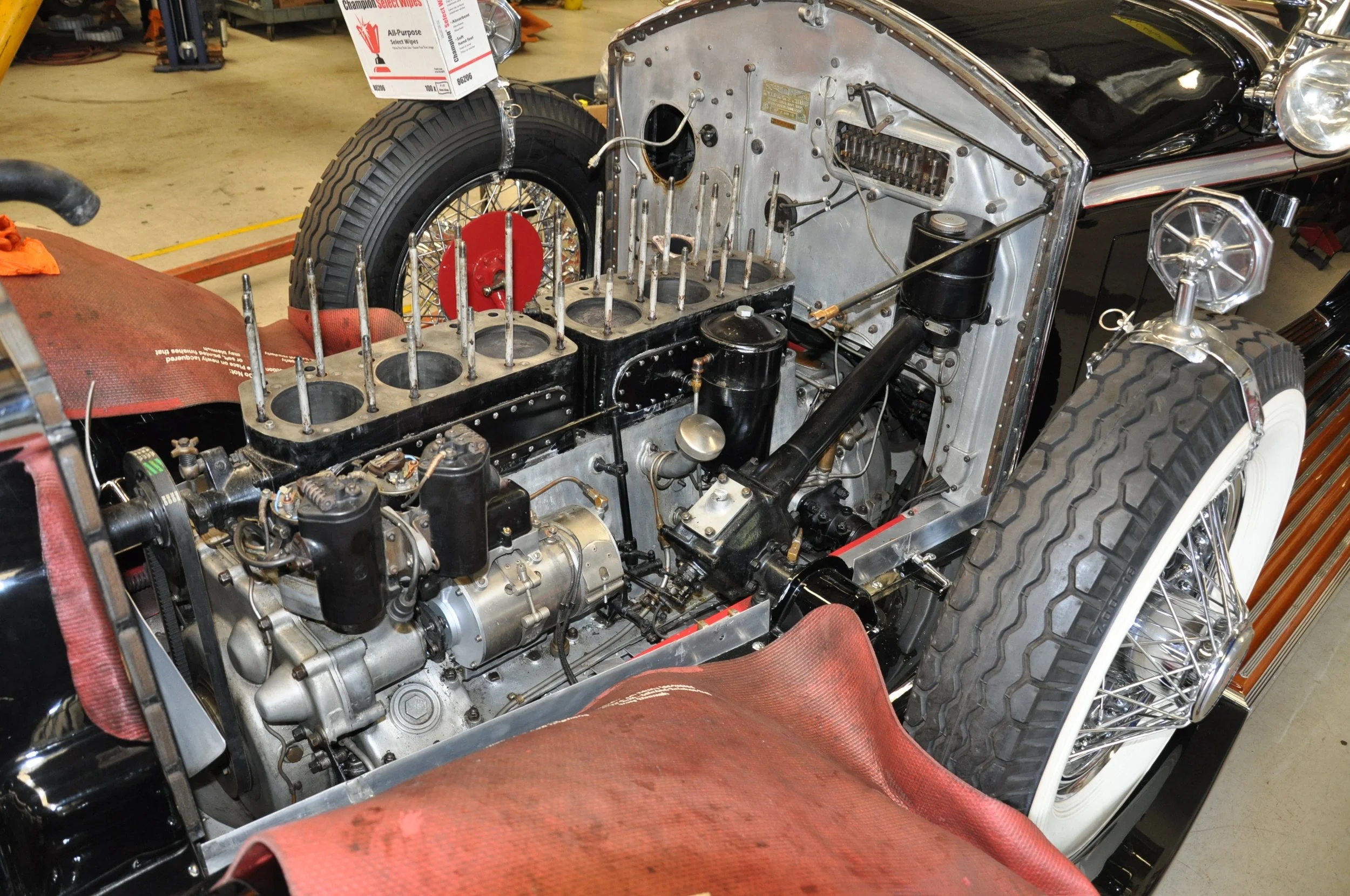
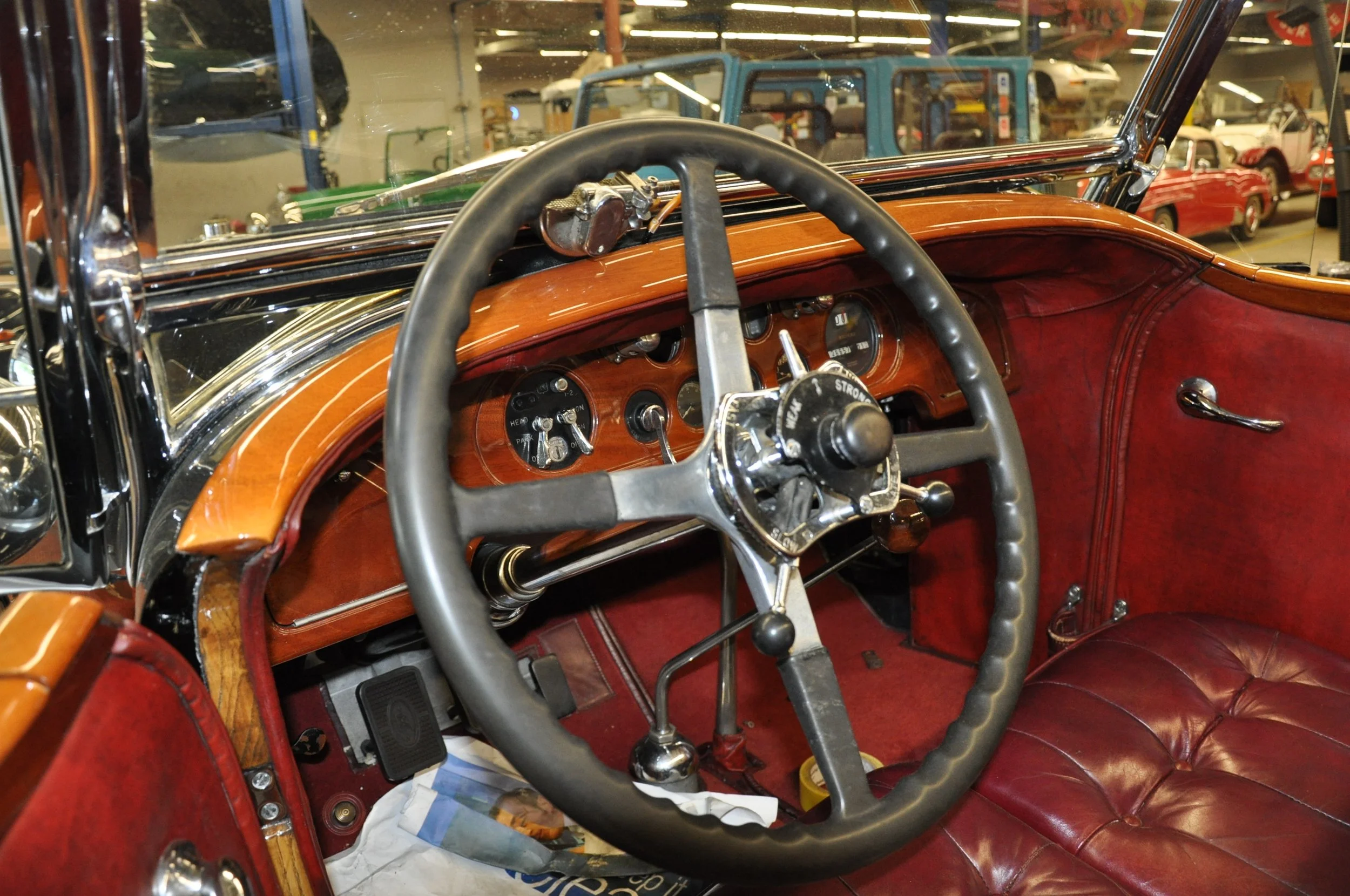
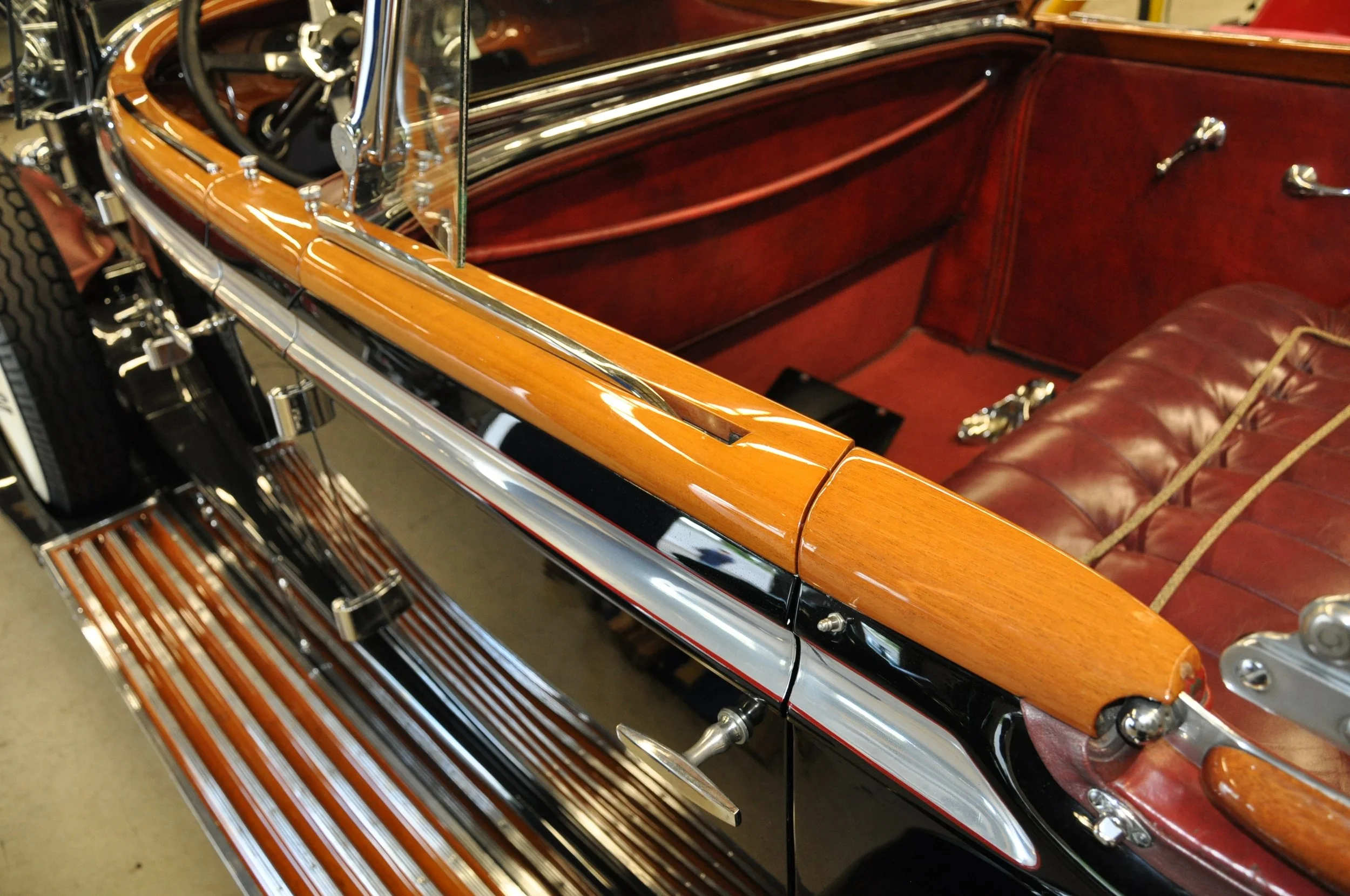
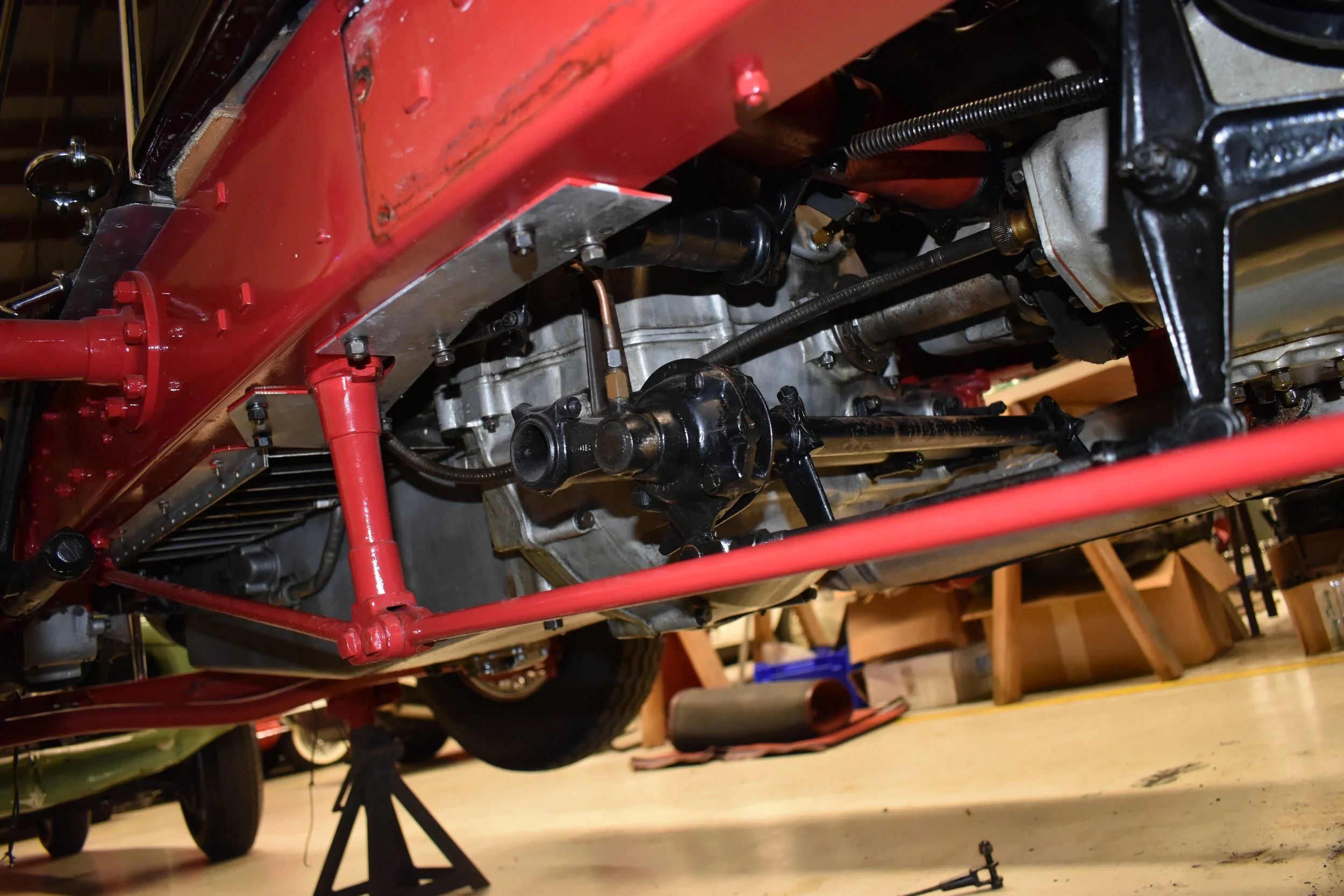
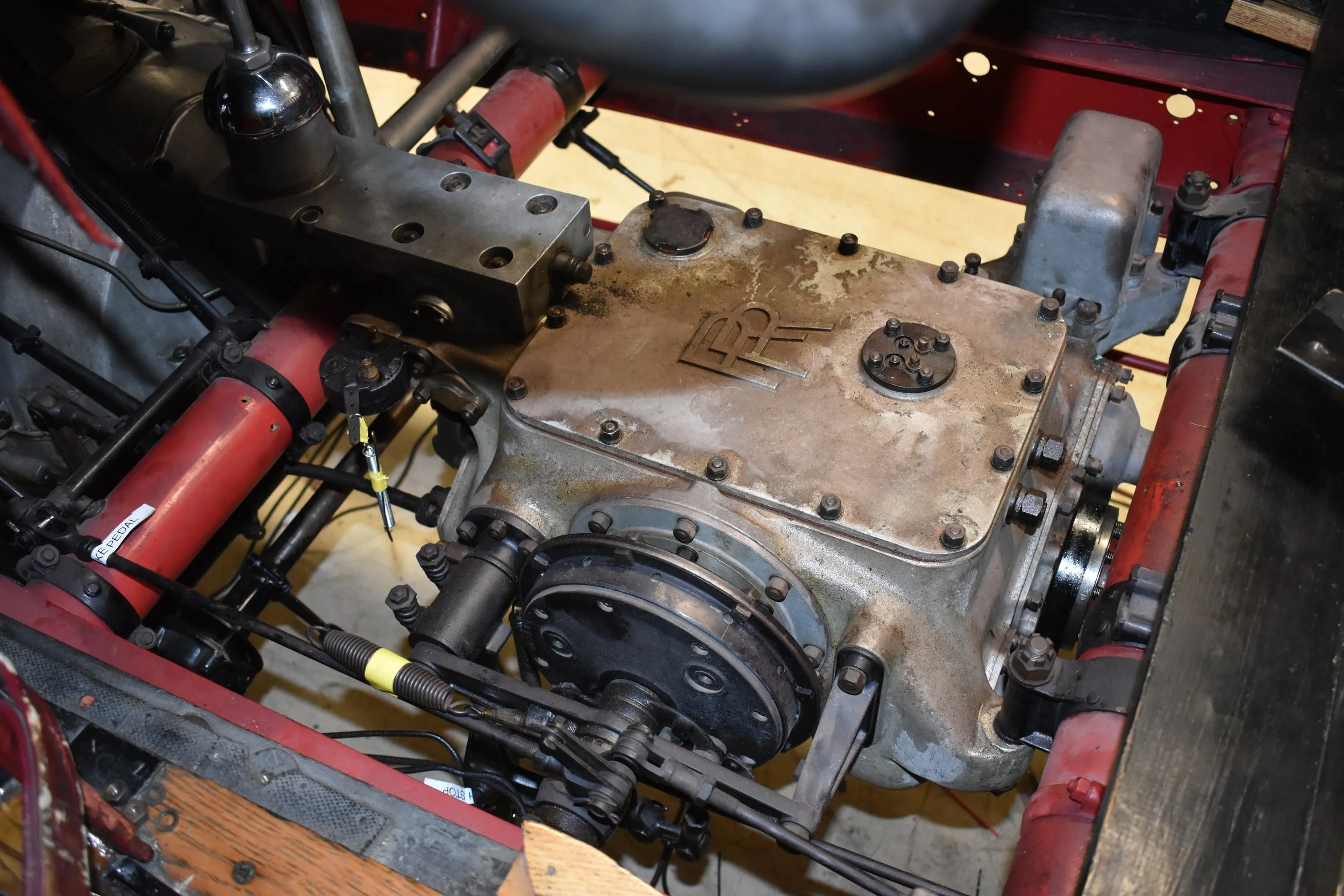
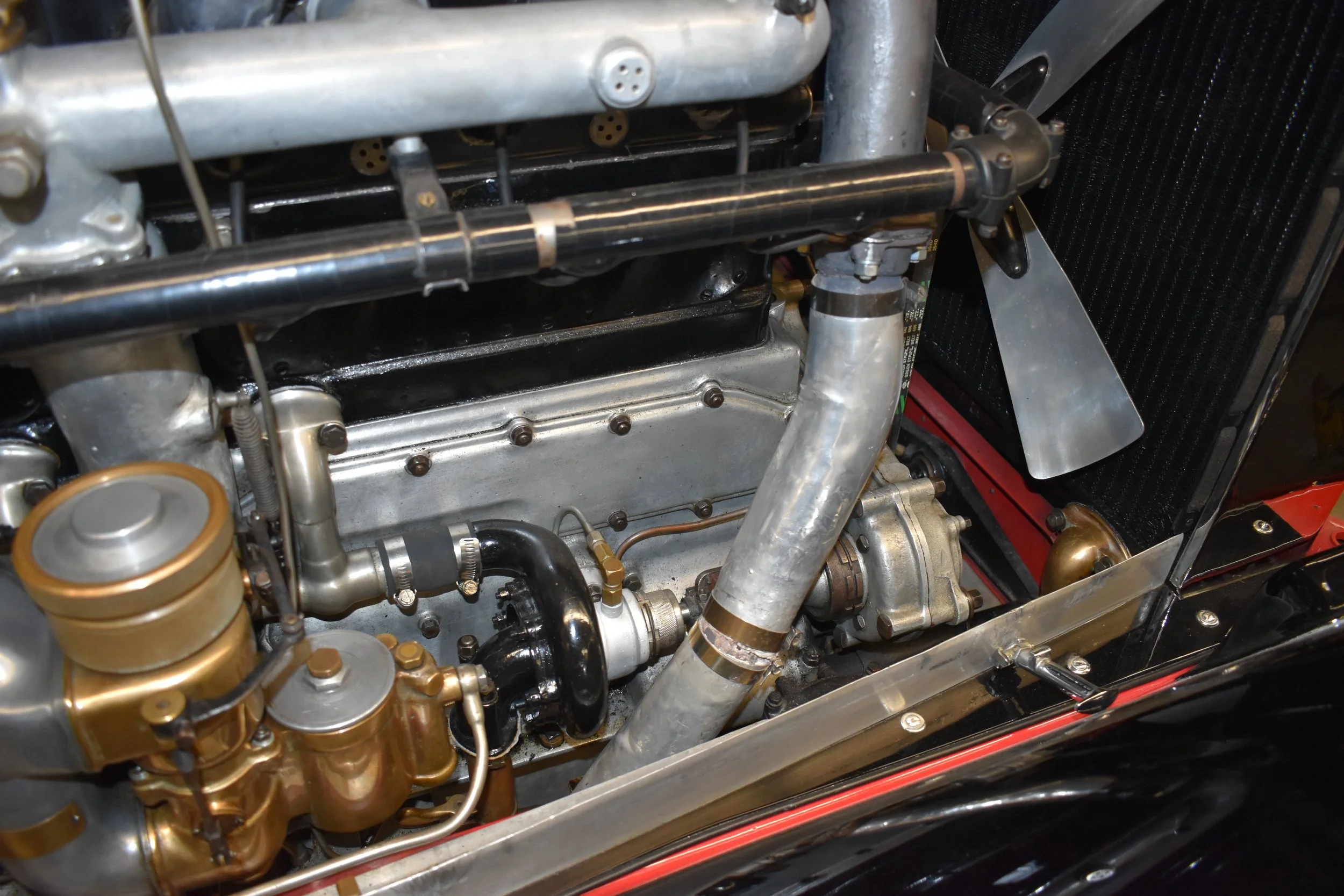
The process began with careful documentation and evaluation. Structural integrity, body condition, corrosion, and evidence of prior repairs were assessed, followed by extensive mechanical testing. Early on, several issues surfaced. Generator output was absent, cooling efficiency was compromised, and the engine required attention before further work could proceed. These items were addressed methodically, with cooling system repairs, mixture optimization, drivetrain servicing, and a full charging system rebuild to restore reliable operation.
With the Phantom functioning properly, research became the guiding force. 1929 was a transitional year for plating finishes, and documentation confirmed that although the car was sold in 1929, it was built before chrome became standard. Nickel plating was therefore correct throughout. Over time, chrome and overly prominent finishes had crept in, subtly pulling attention away from the elegant Brewster body.
That discovery reframed the entire restoration philosophy. This would be a project of correction rather than enhancement.
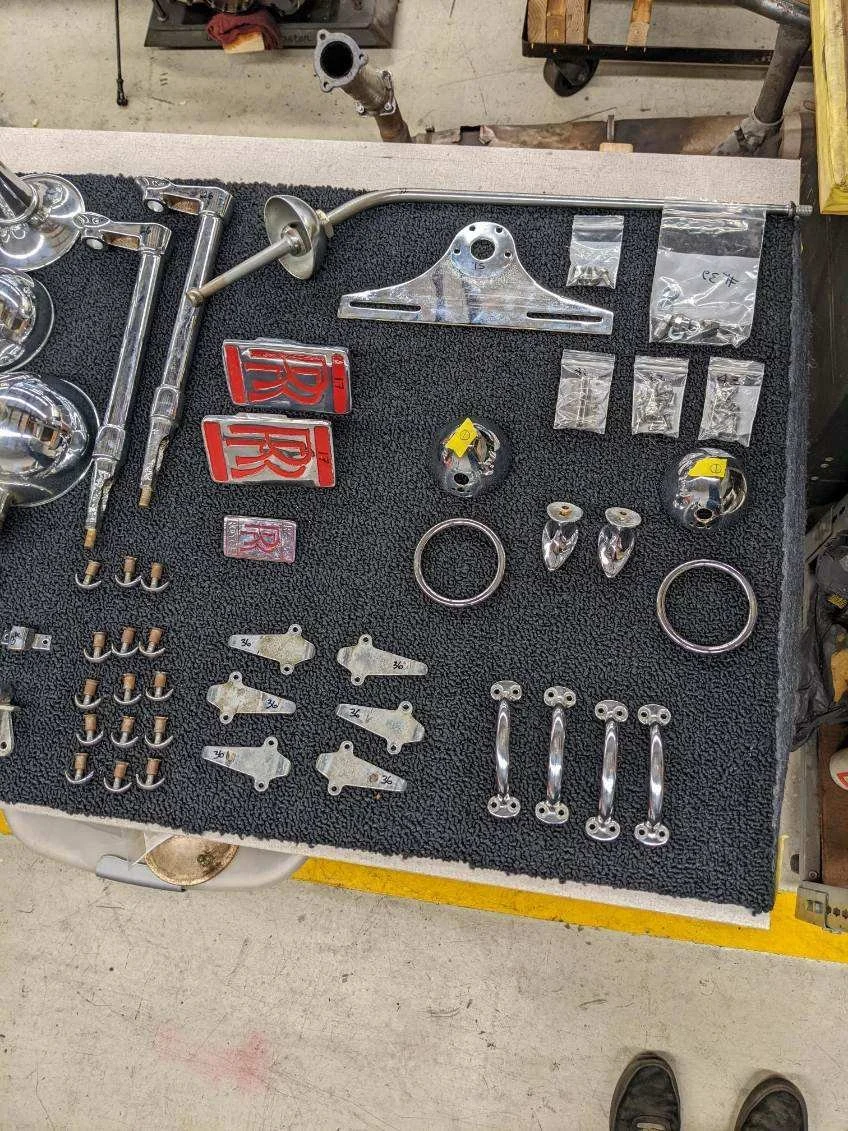
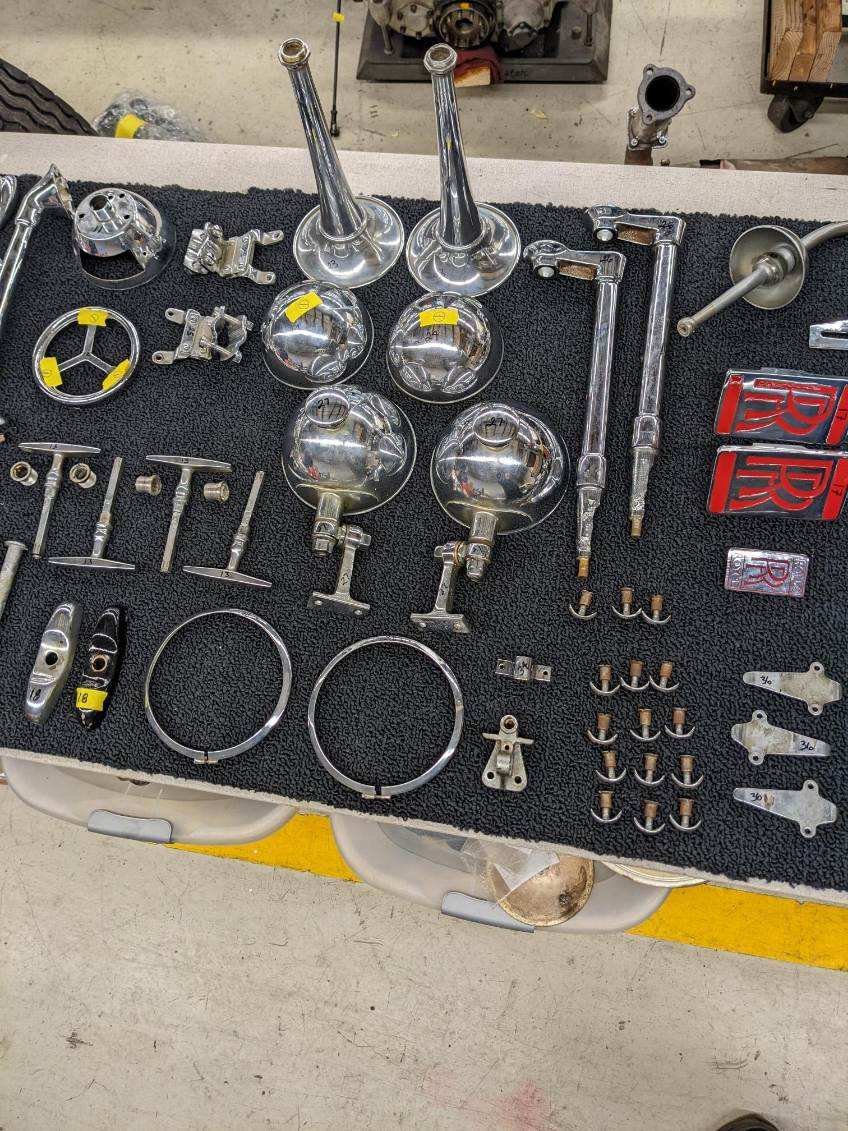
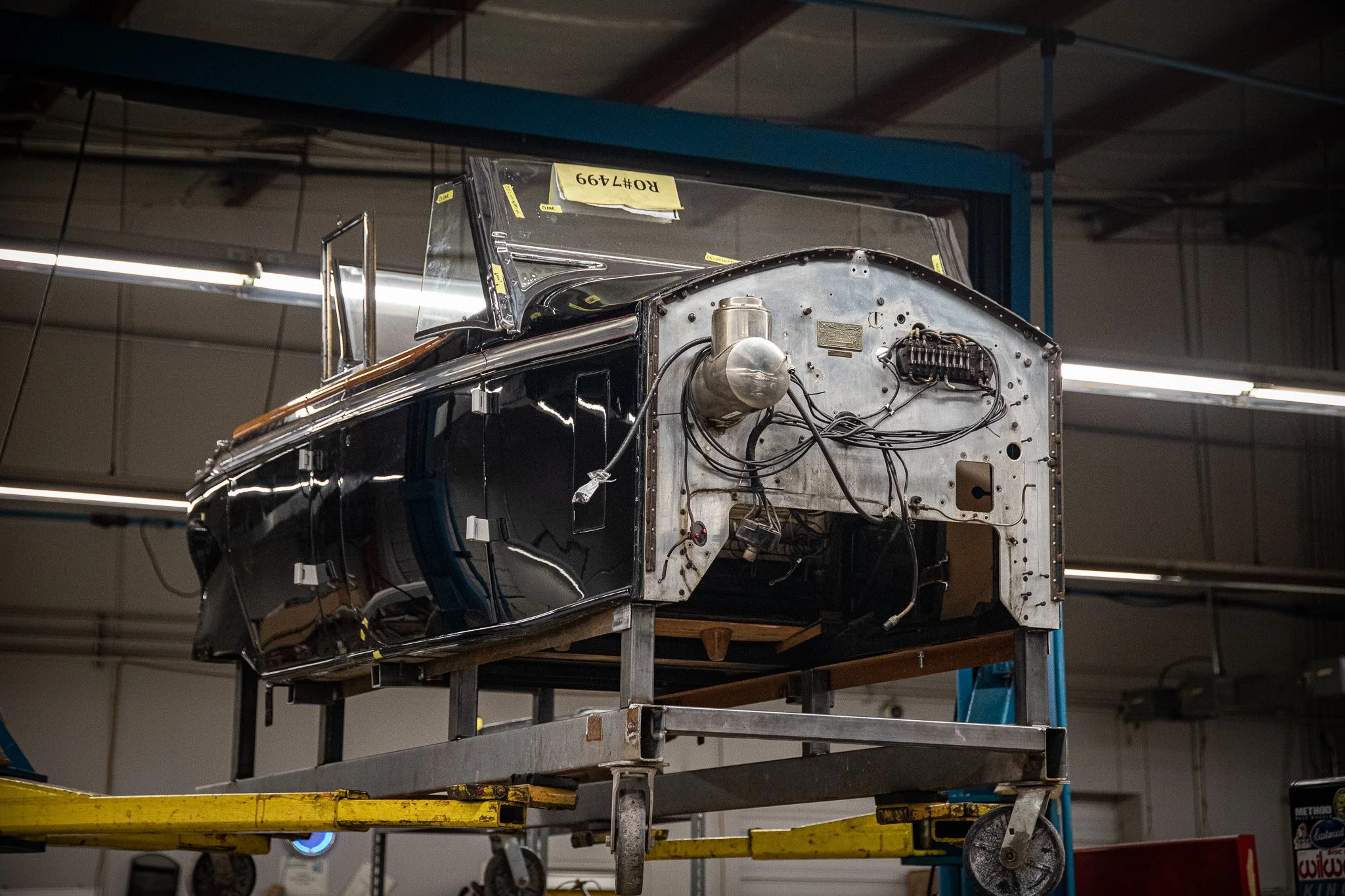
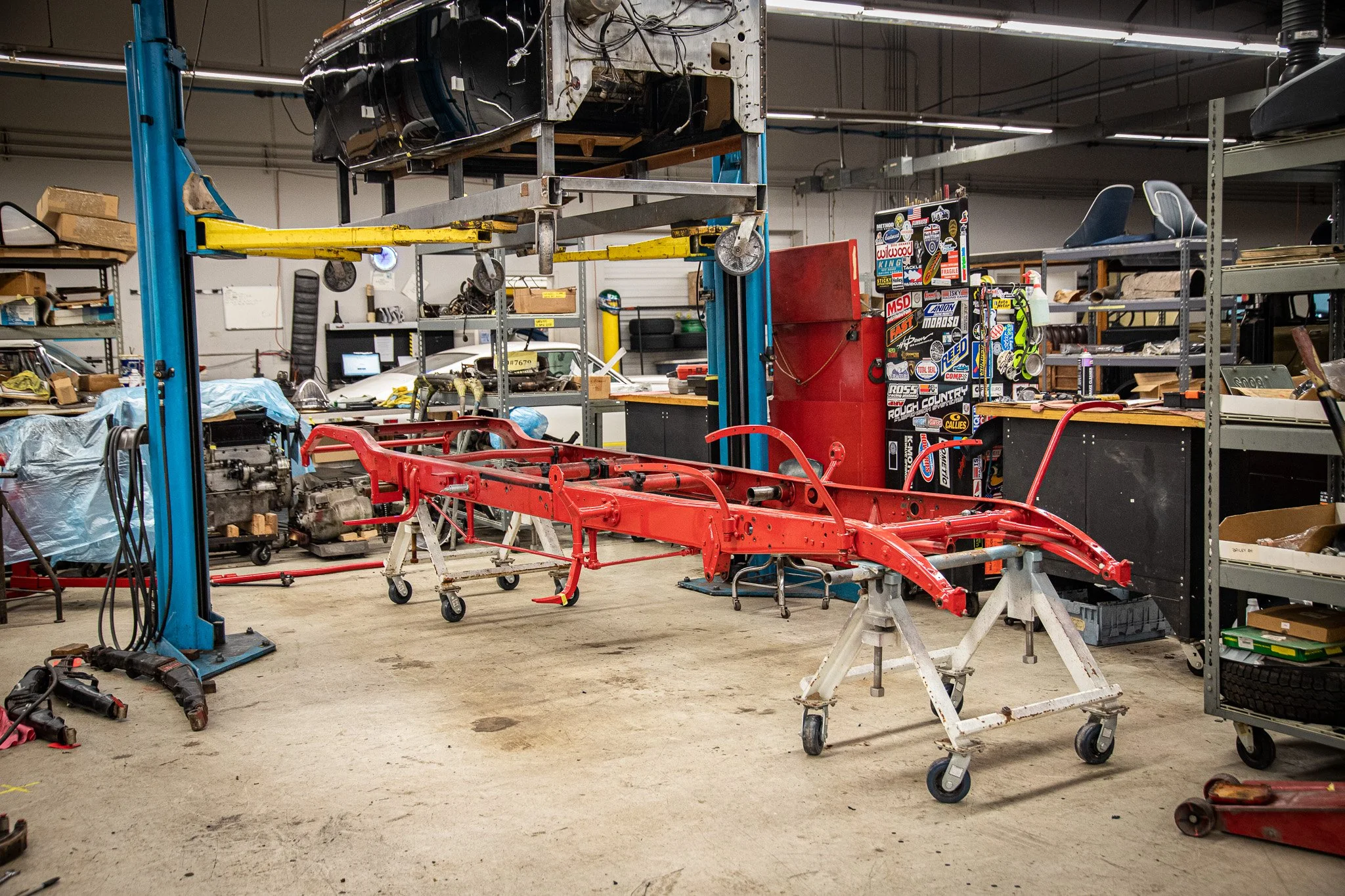
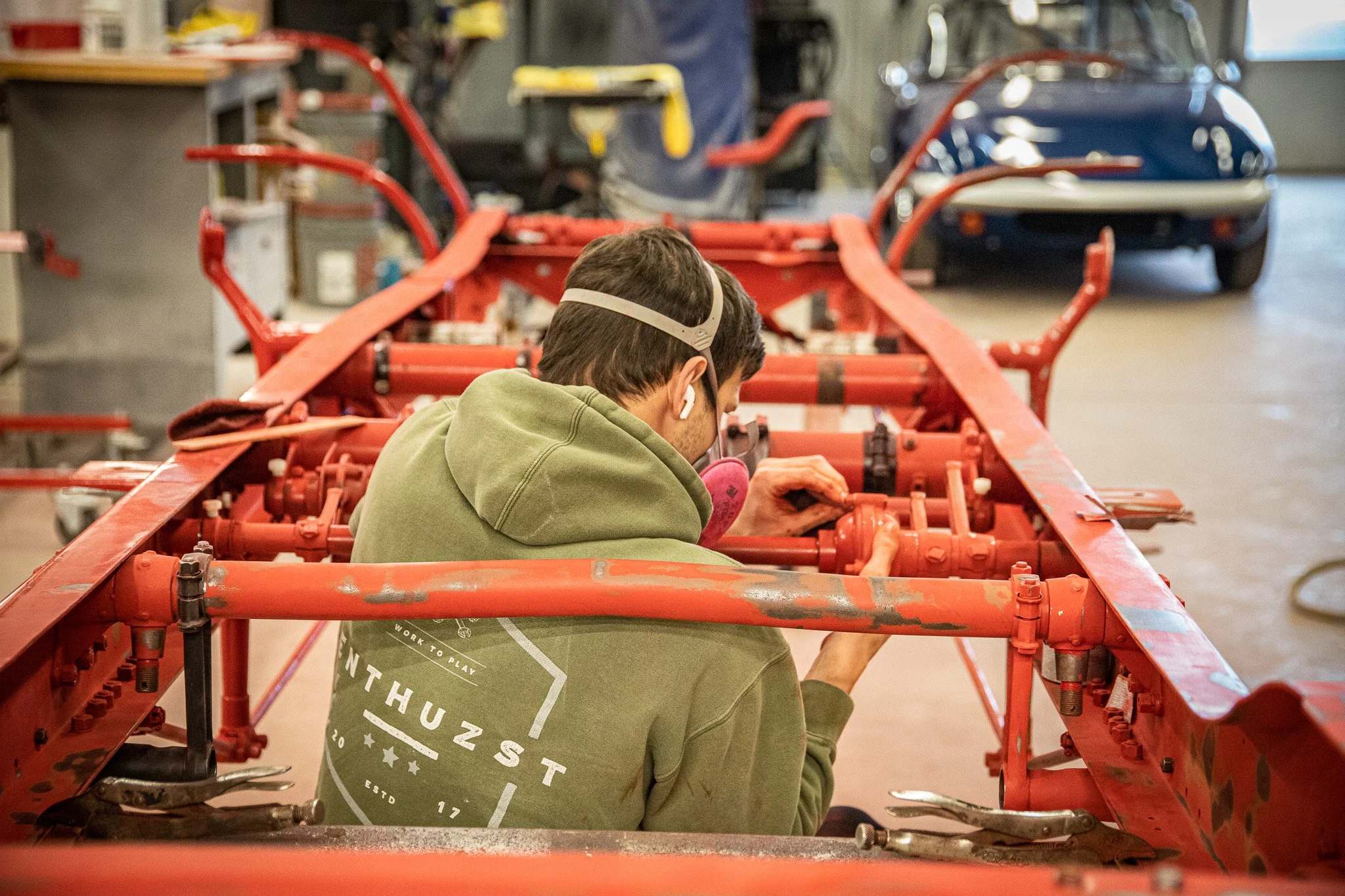
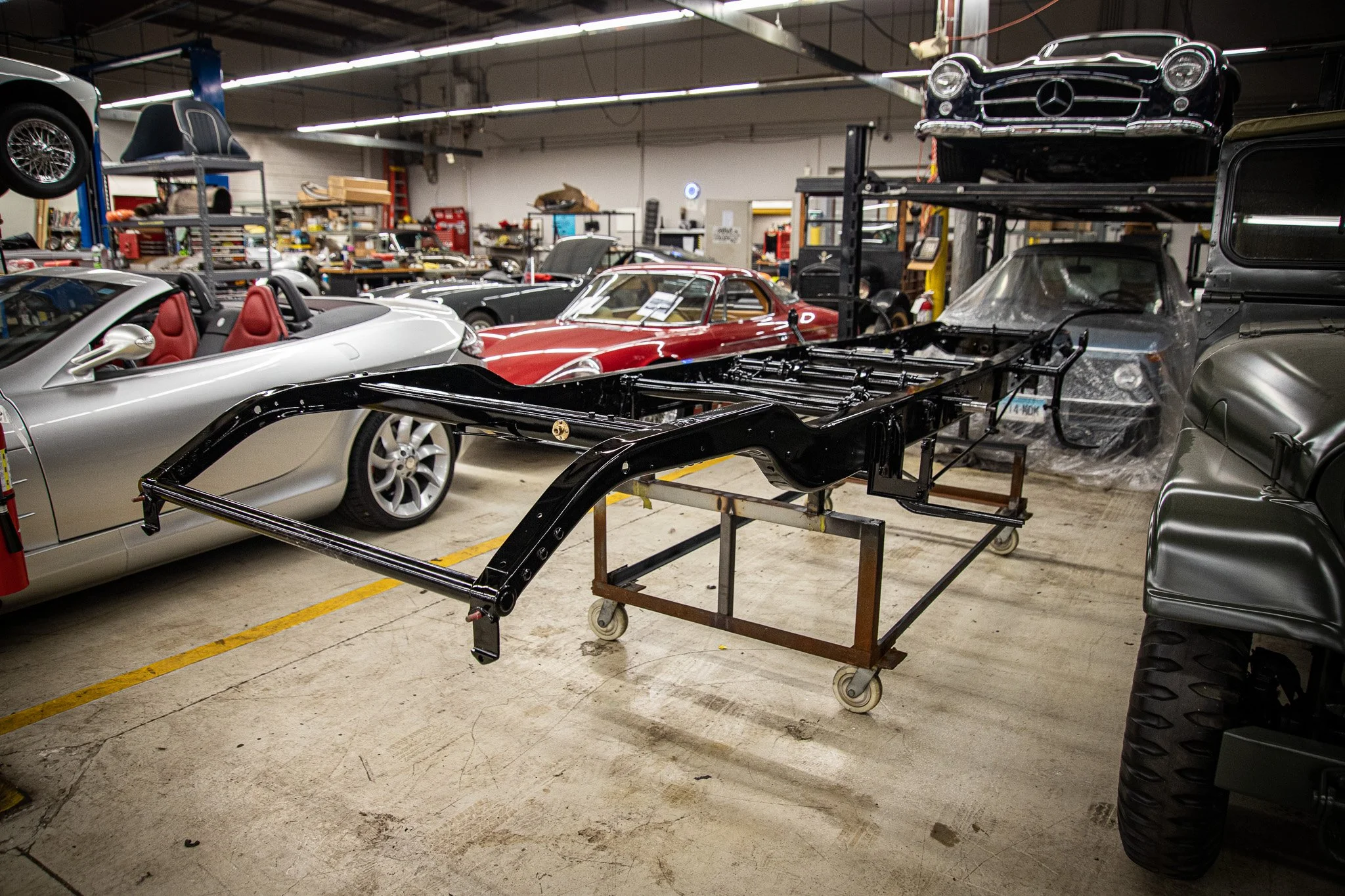
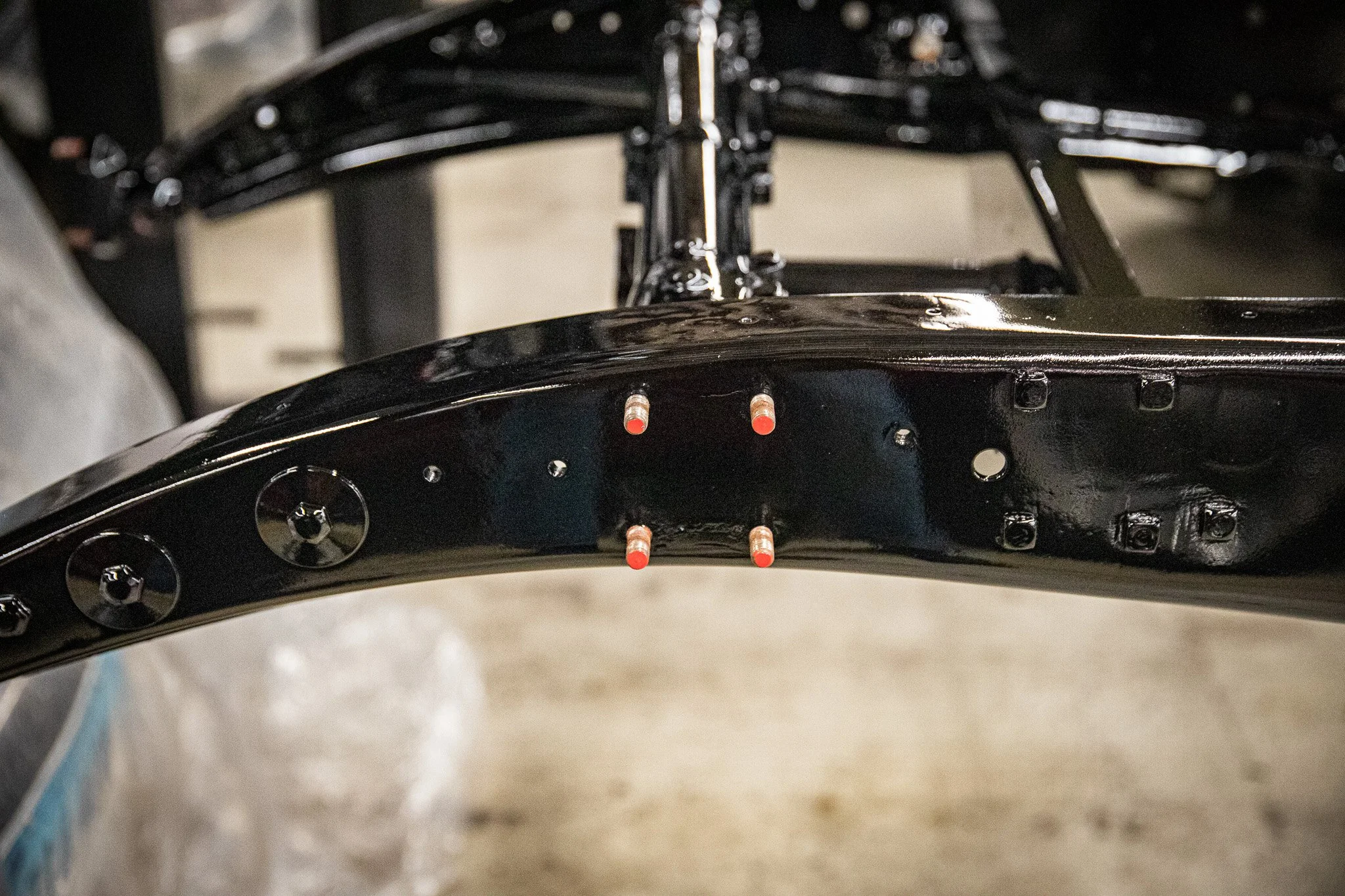
Disassembly followed, with the body tub carefully braced and removed to allow access to every system. Chassis and underbody components were stripped of overly bright finishes and returned to correct black so they would visually disappear beneath the car, as Rolls-Royce intended. Hardware, brackets, piping, and fasteners were restored individually, each detail considered in the context of the whole.
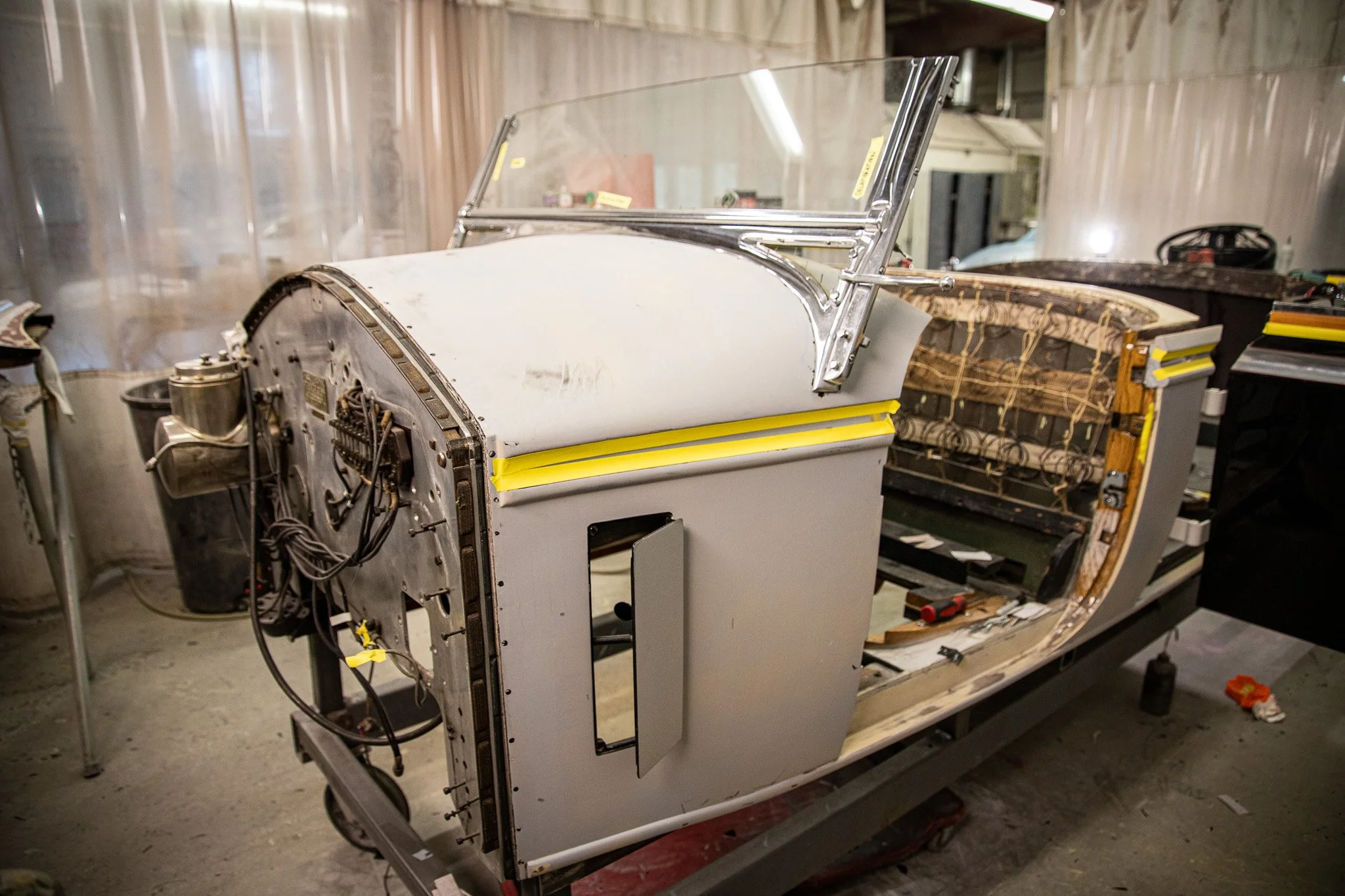
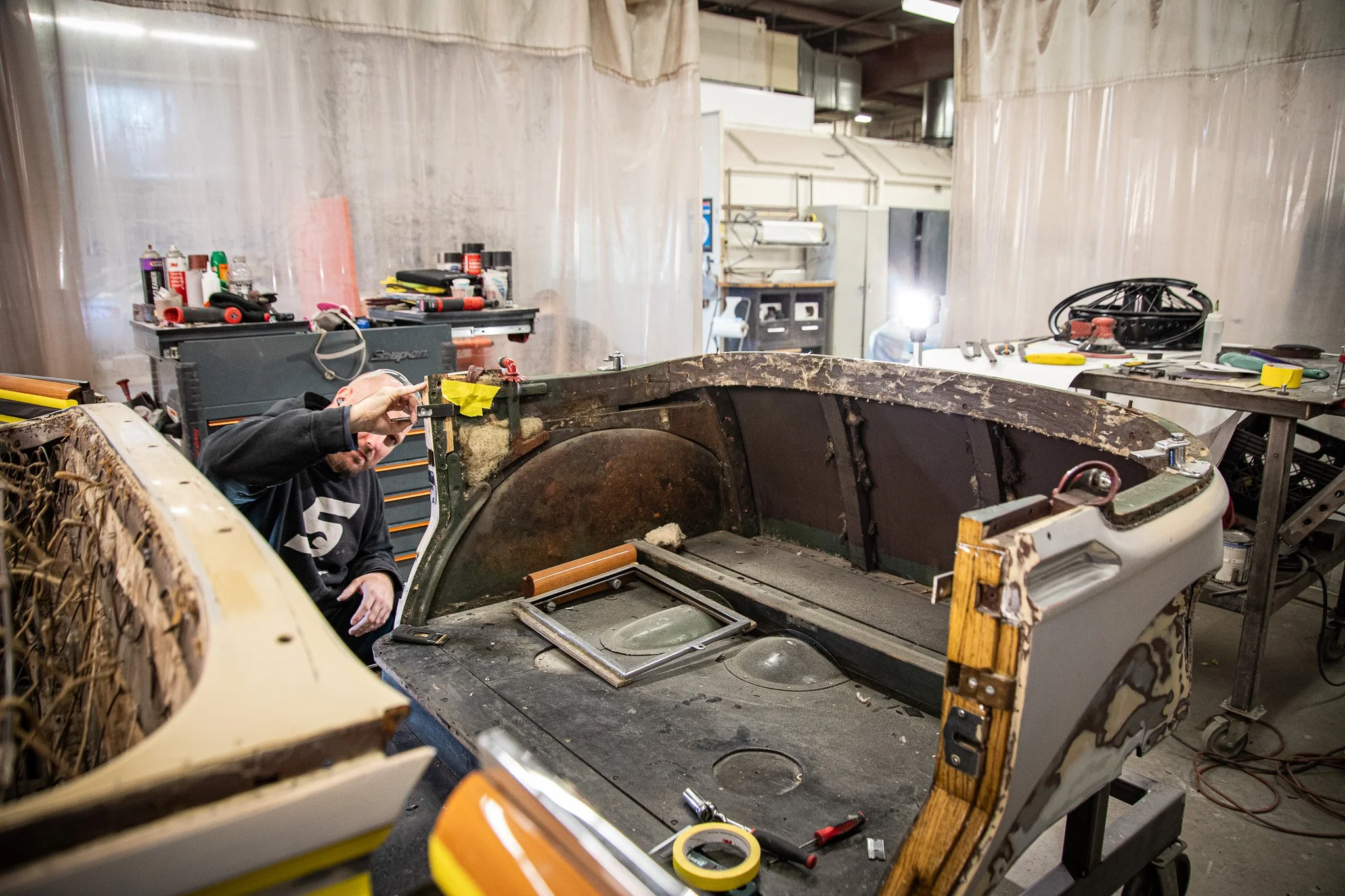
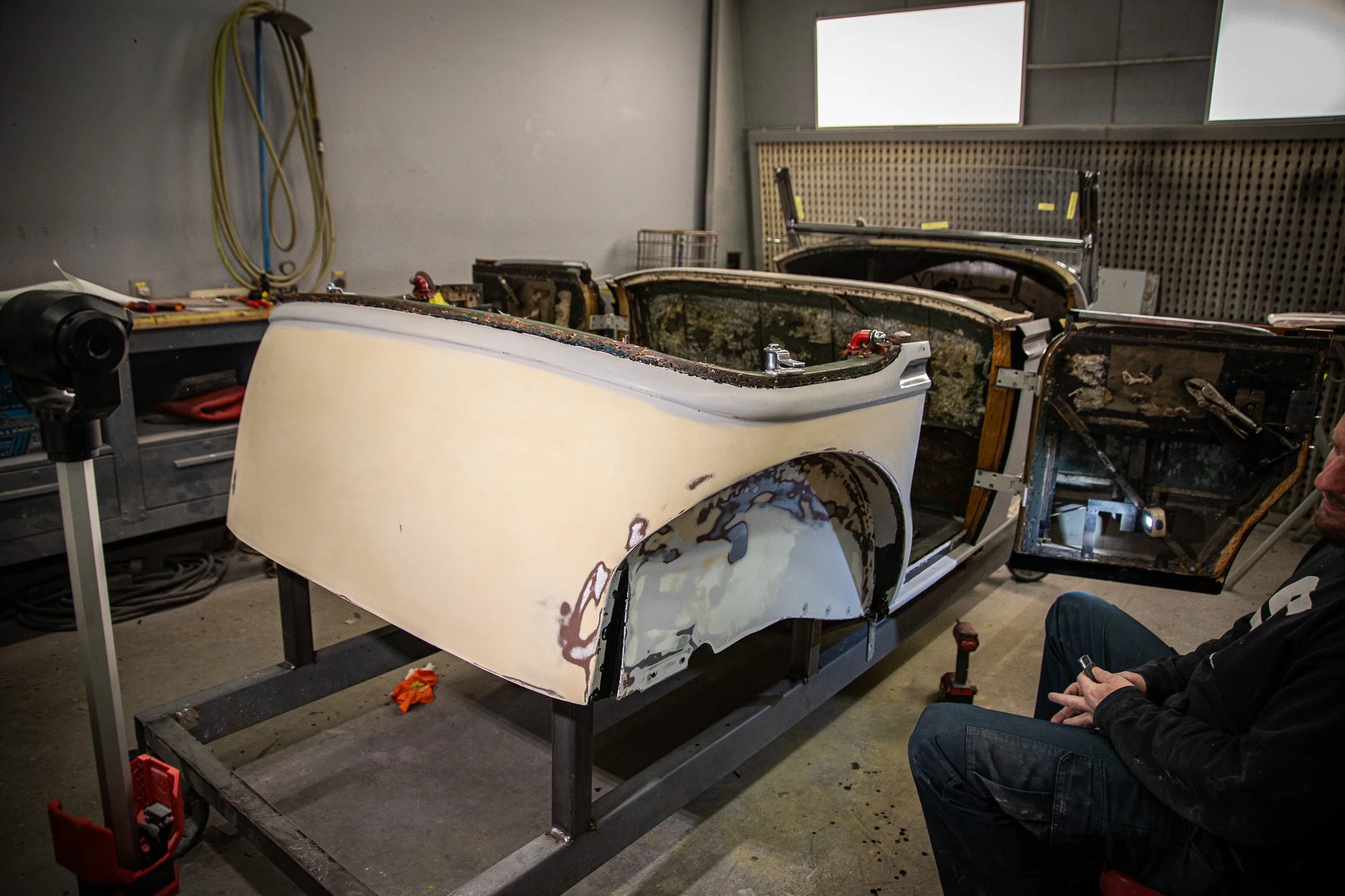
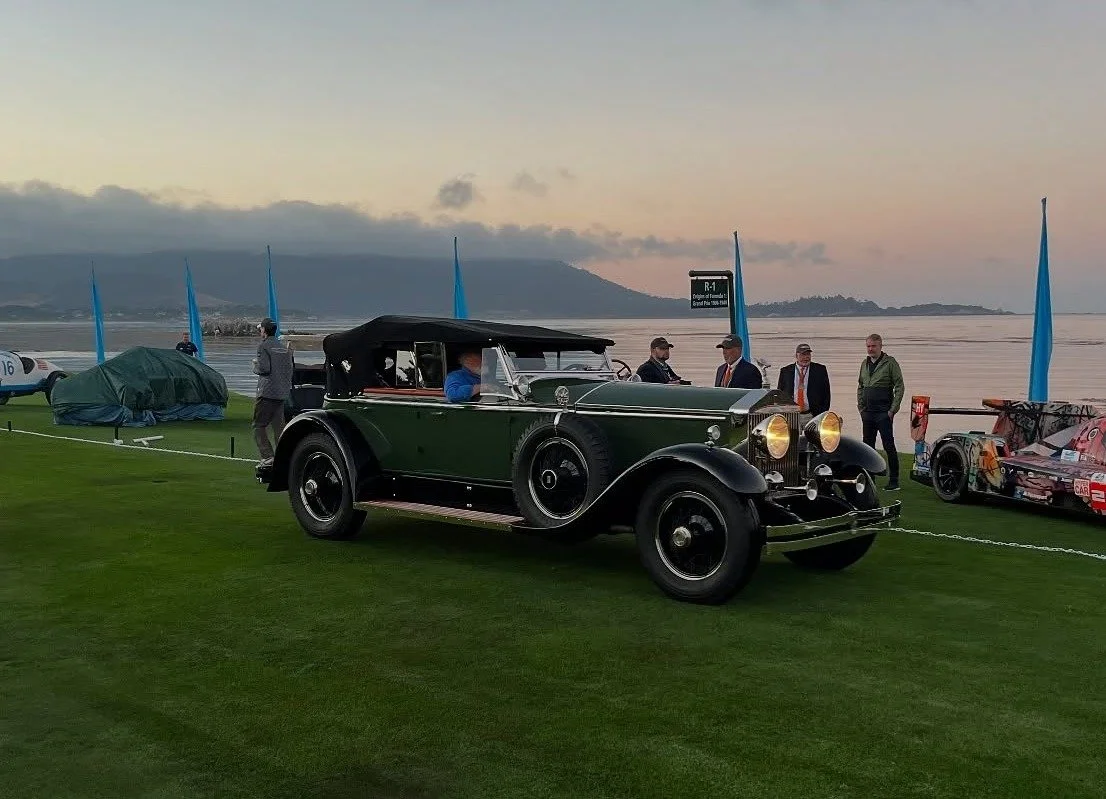
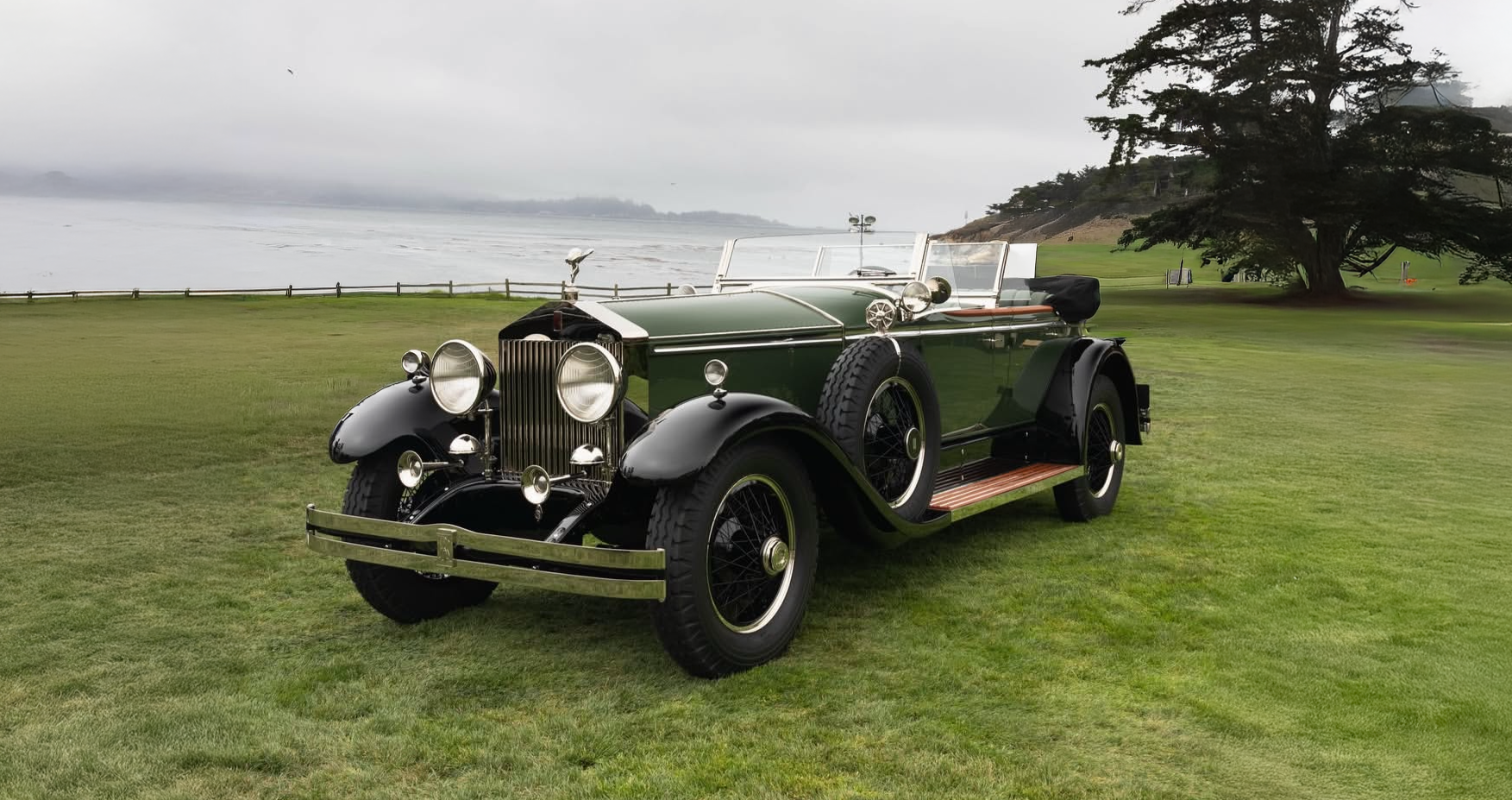
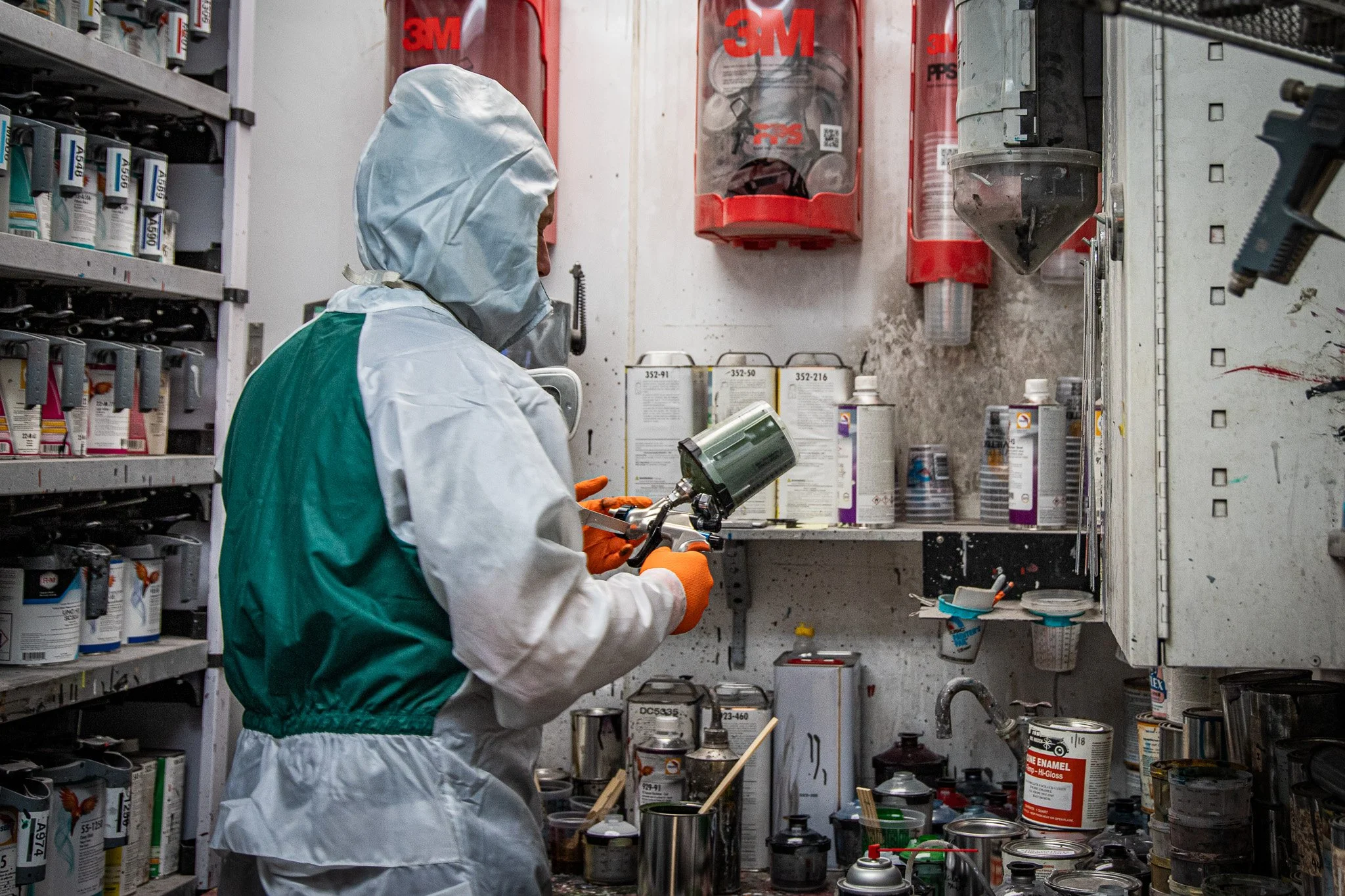
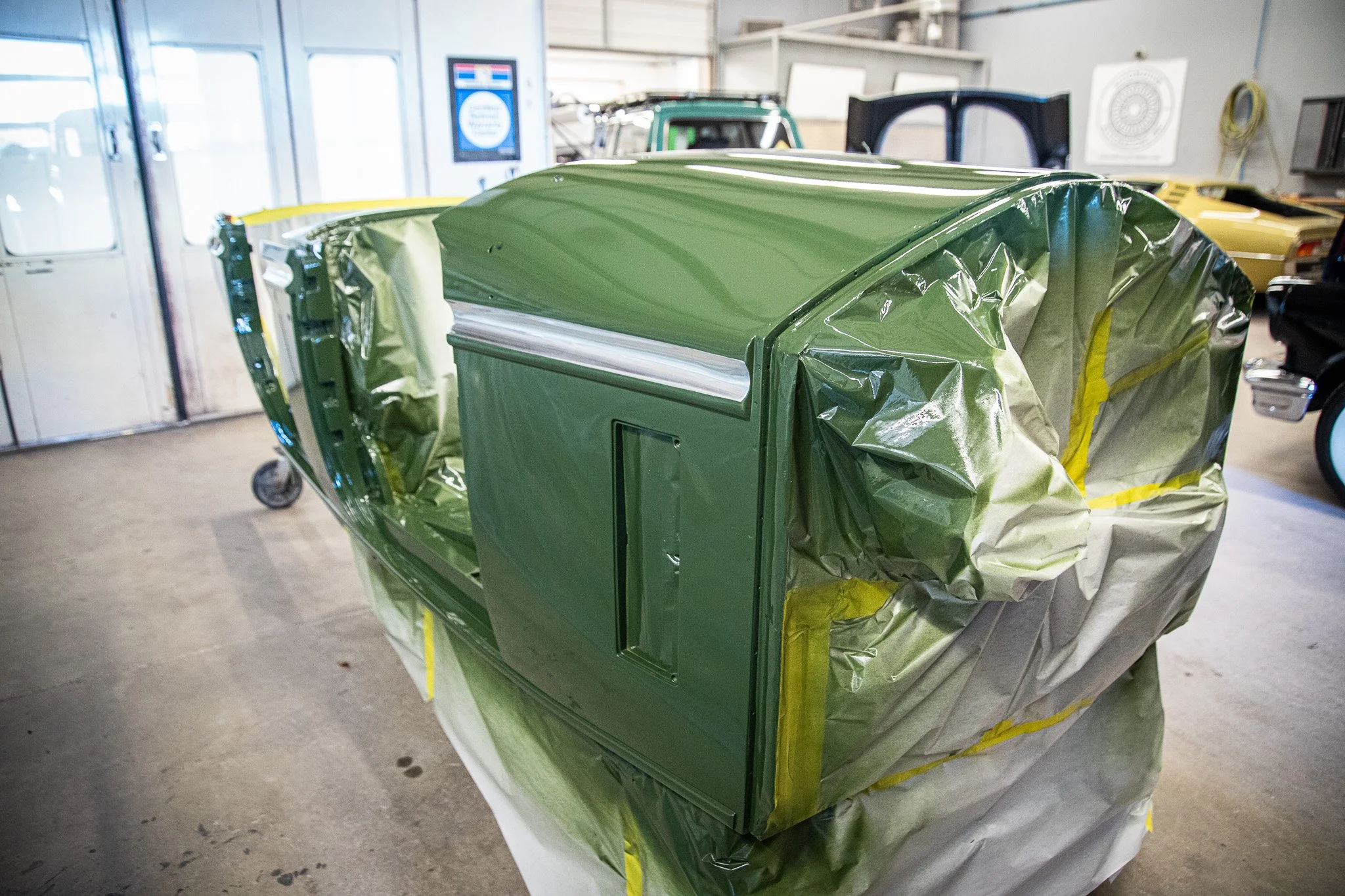
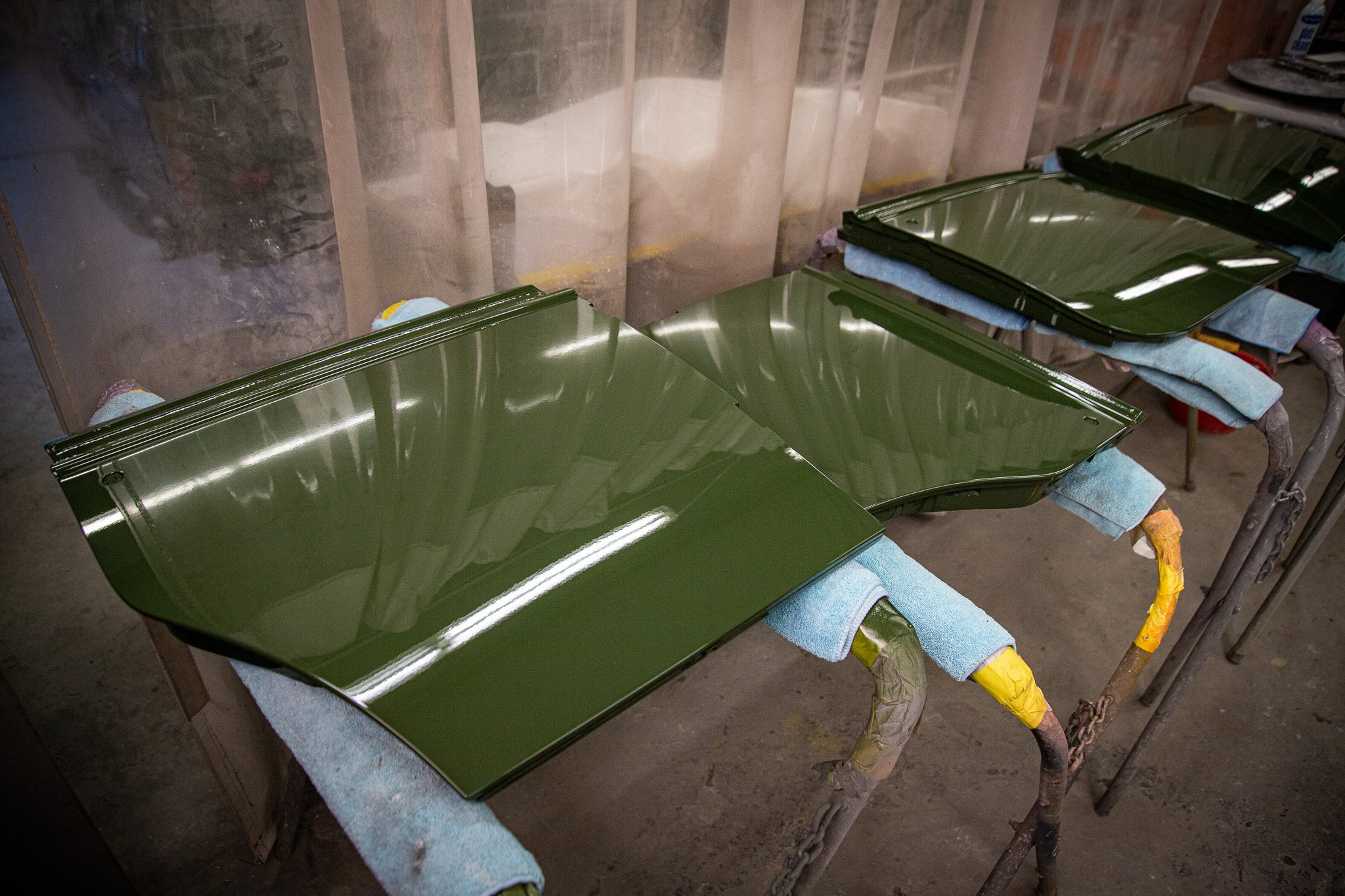
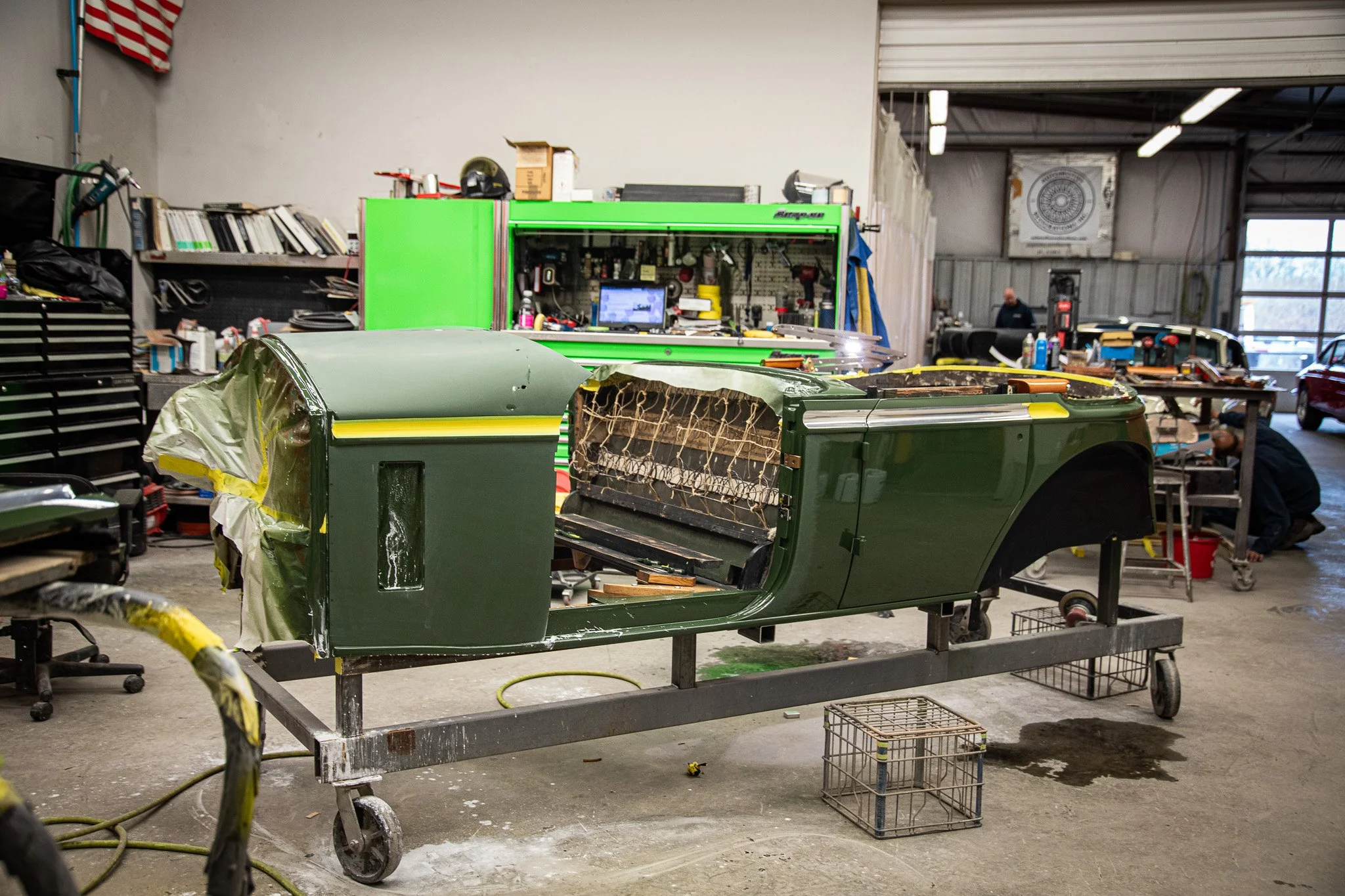
Paint research proved especially rewarding. Hidden beneath later layers, original paint remnants were discovered inside the cowl, confirming the car was originally green. Even more satisfying, traces of original green leather were found as well. Returning the Phantom to its original green over black with green leather interior felt like uncovering the car’s true identity rather than choosing a color. Sometimes research tells you something disappointing. This time, it told the perfect story.
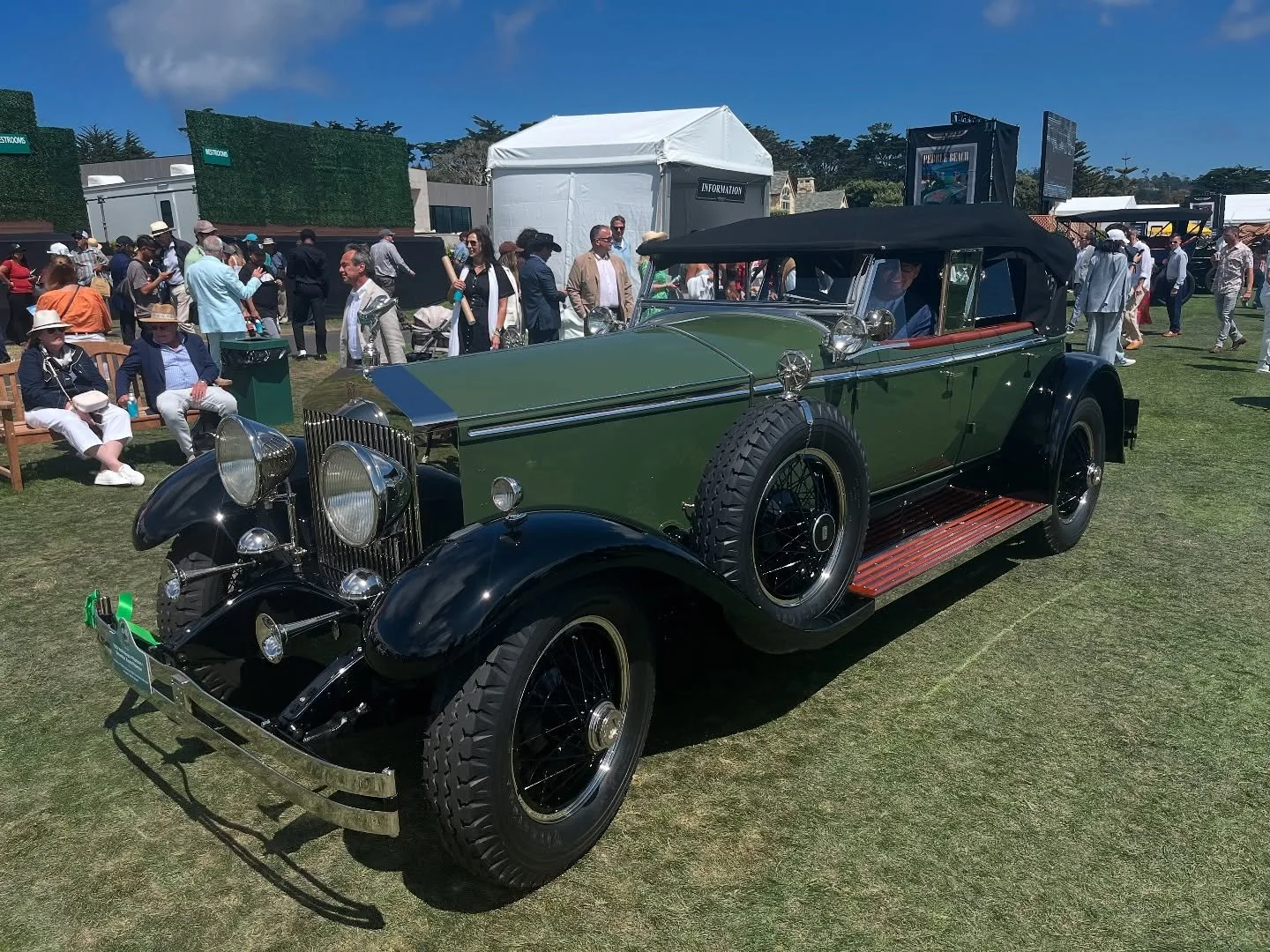
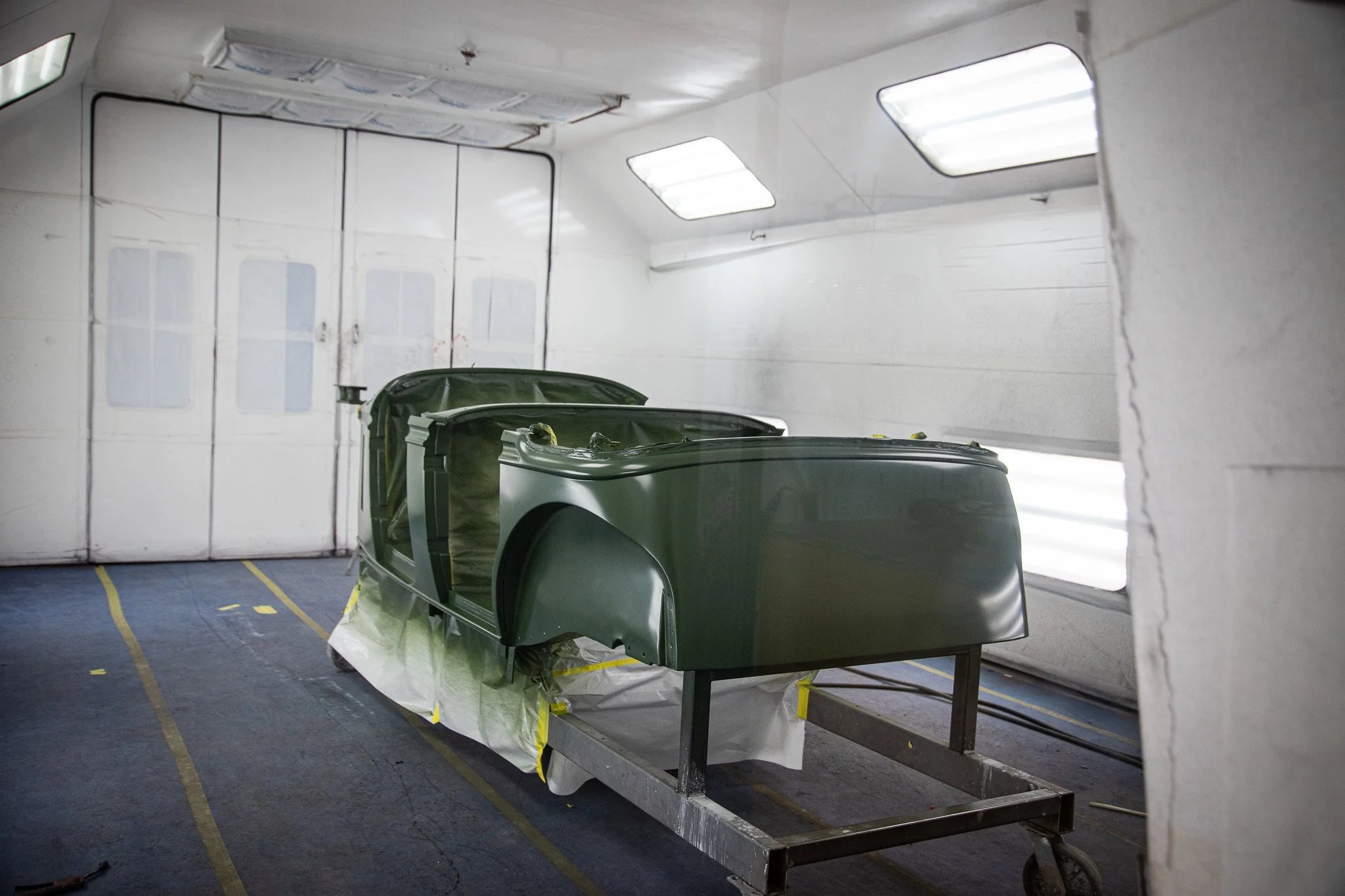
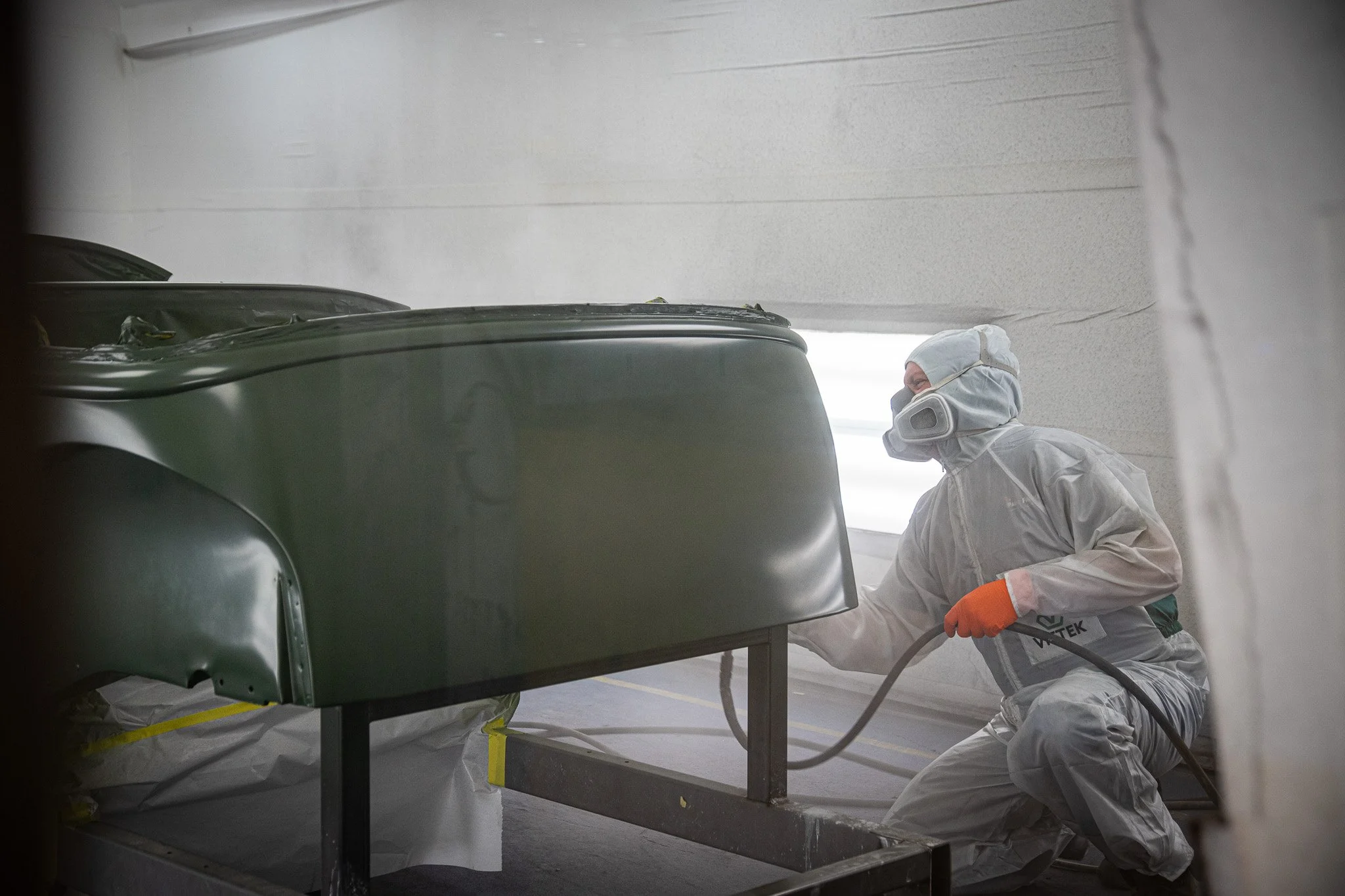
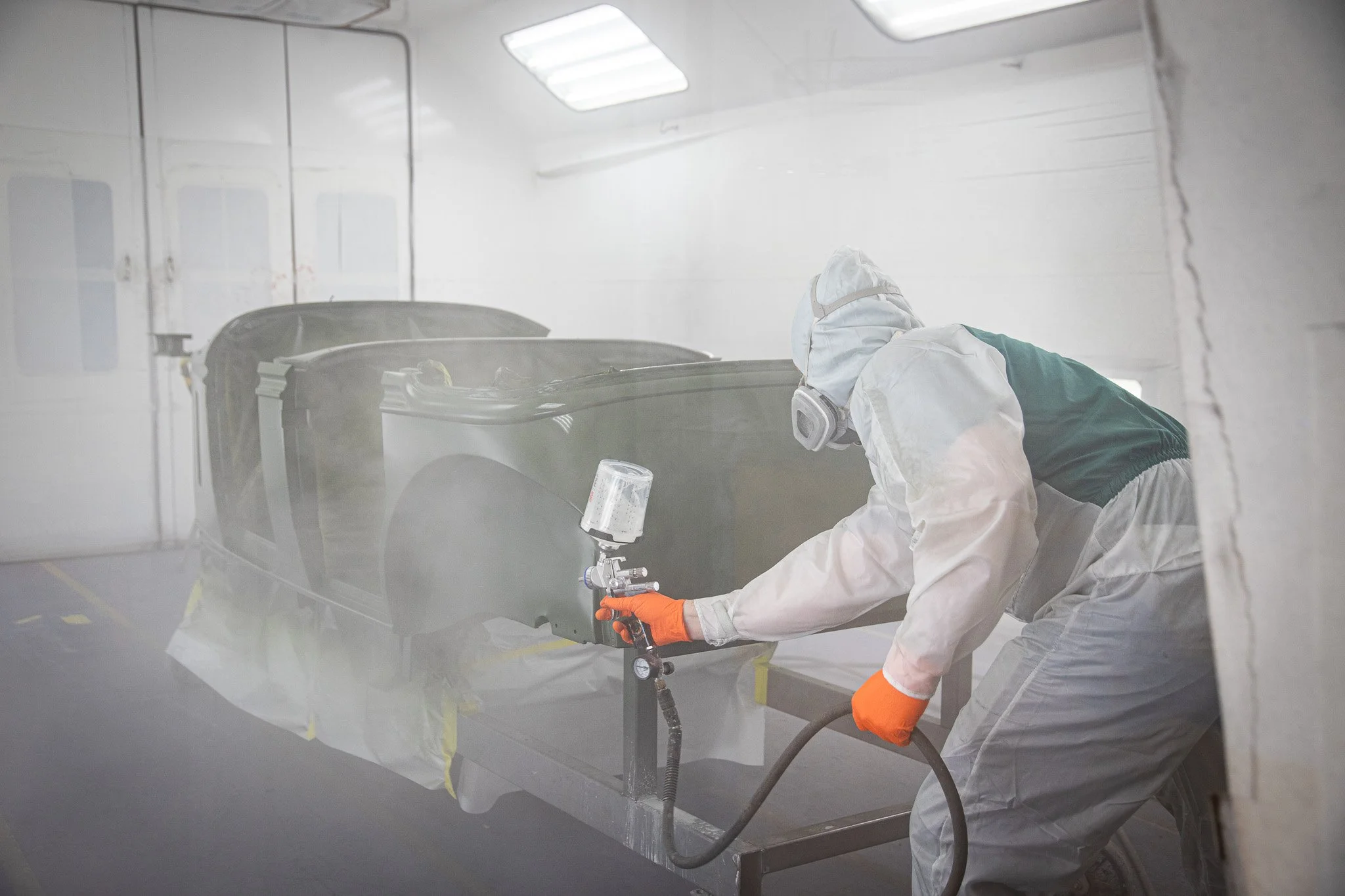
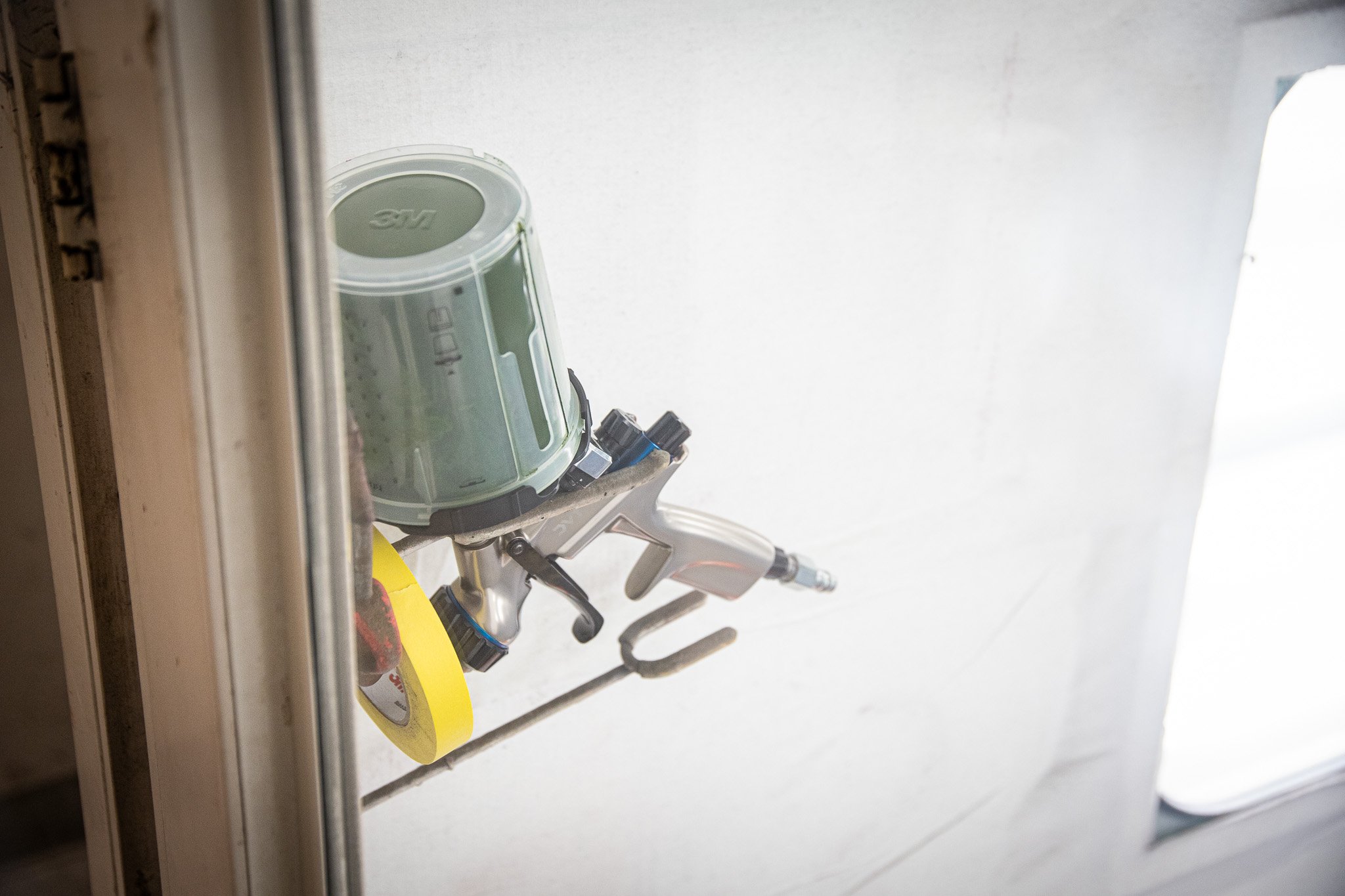
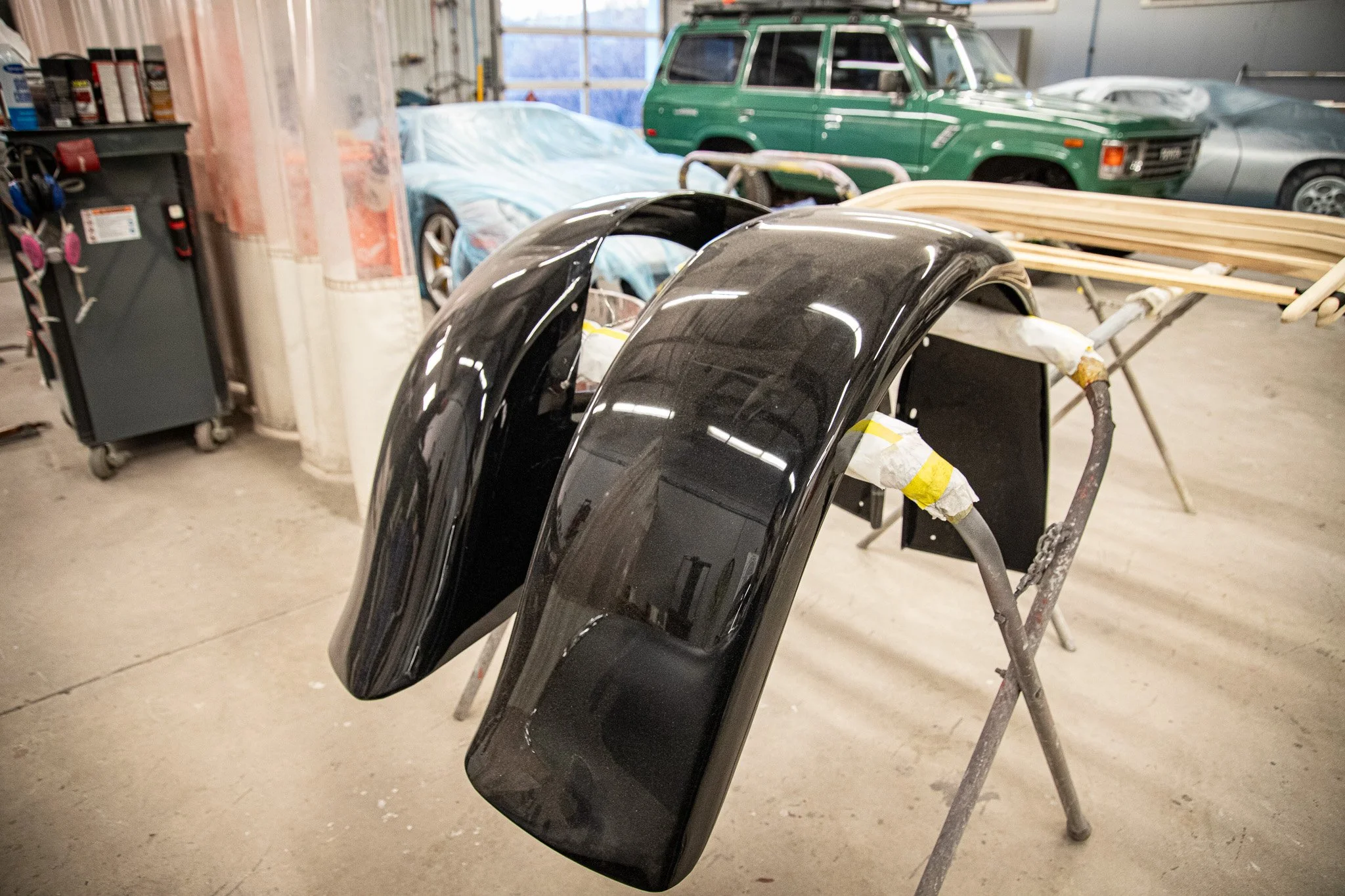
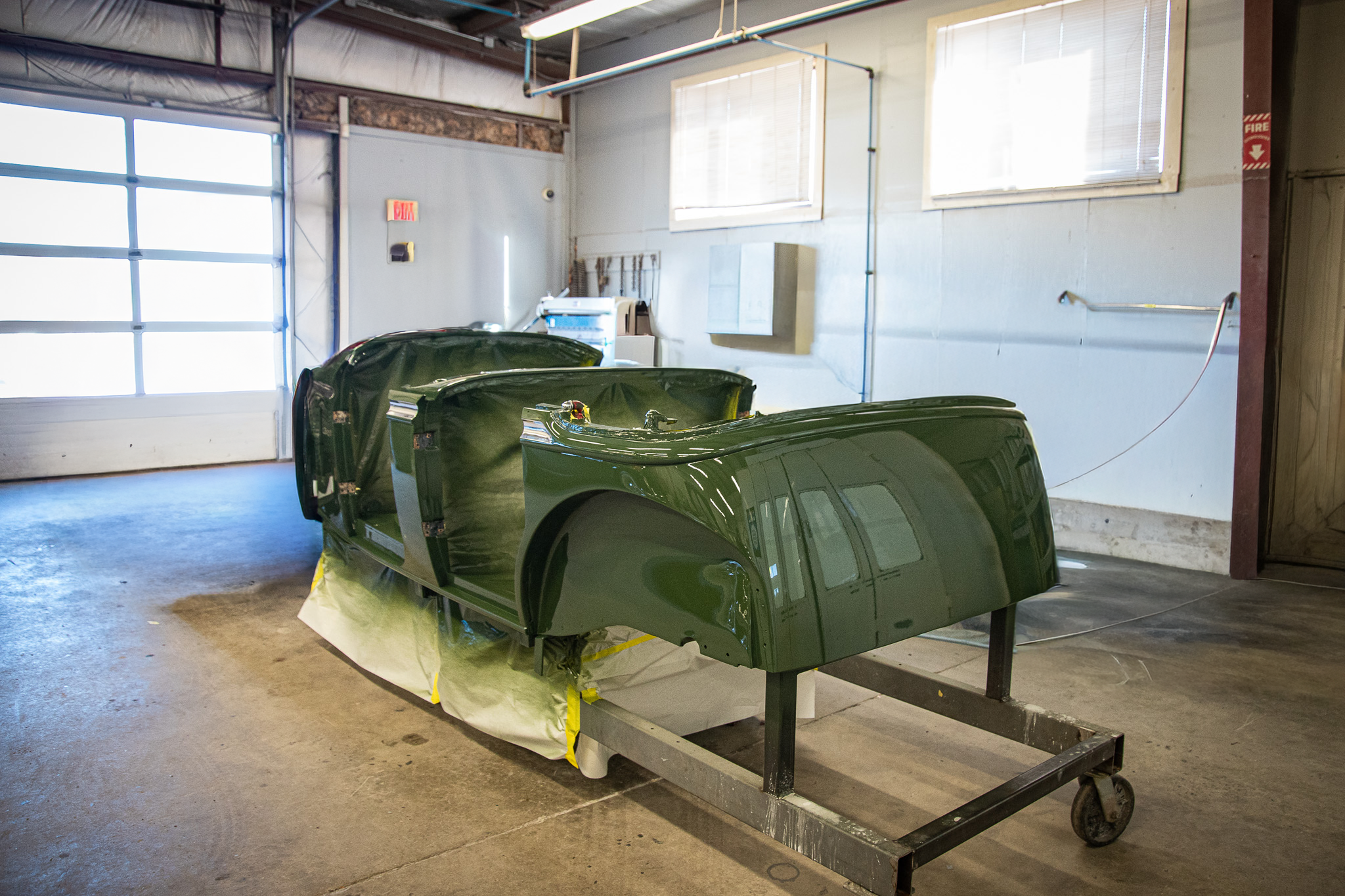
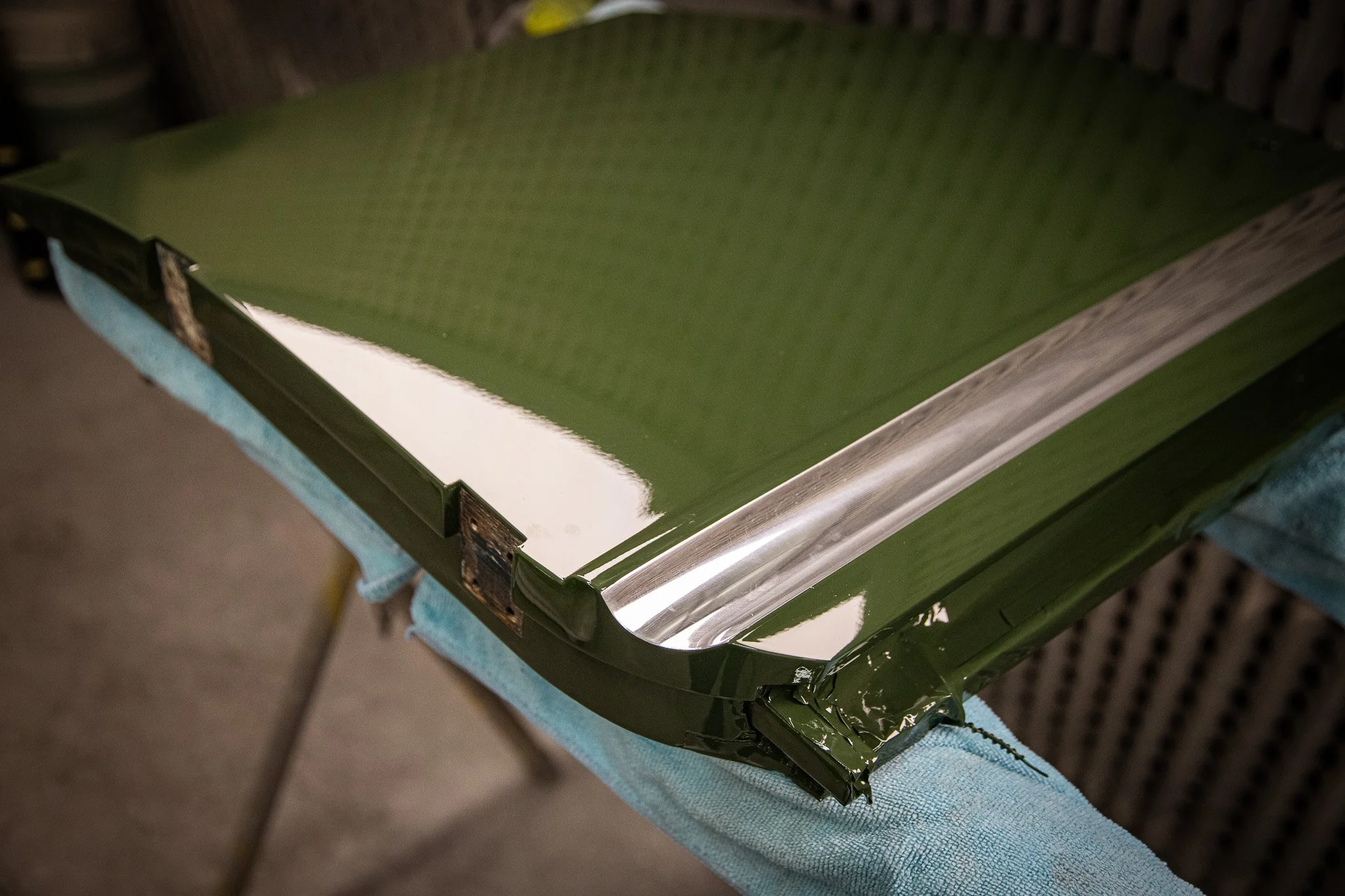
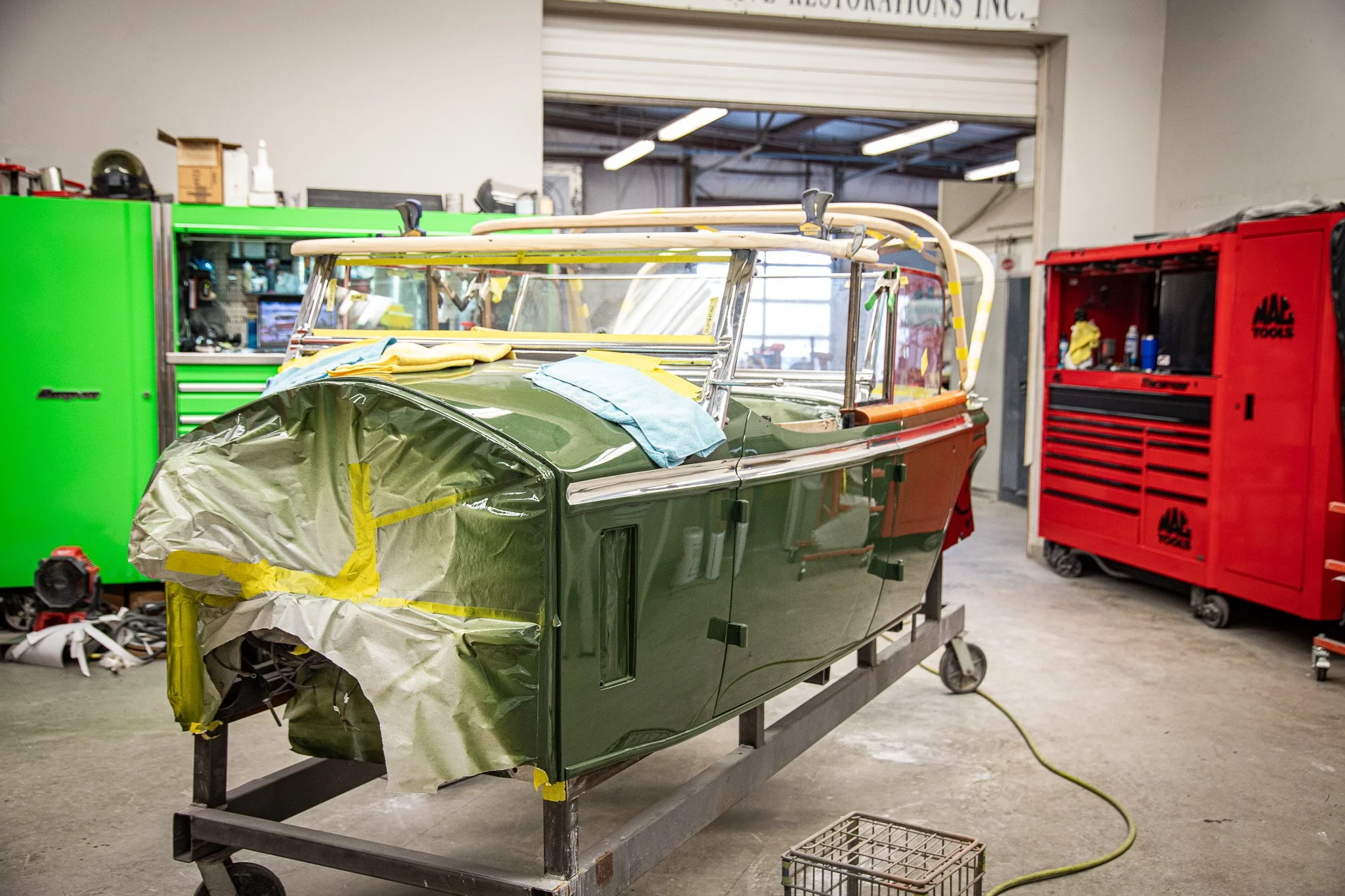
The body was refinished in its historically accurate green, with black fenders retained. The finish was carefully hand-blocked and polished to achieve authenticity rather than excess gloss. Brightwork followed the same restrained approach, with nickel plating replacing chrome and painted hinges returned to black, restoring visual balance throughout
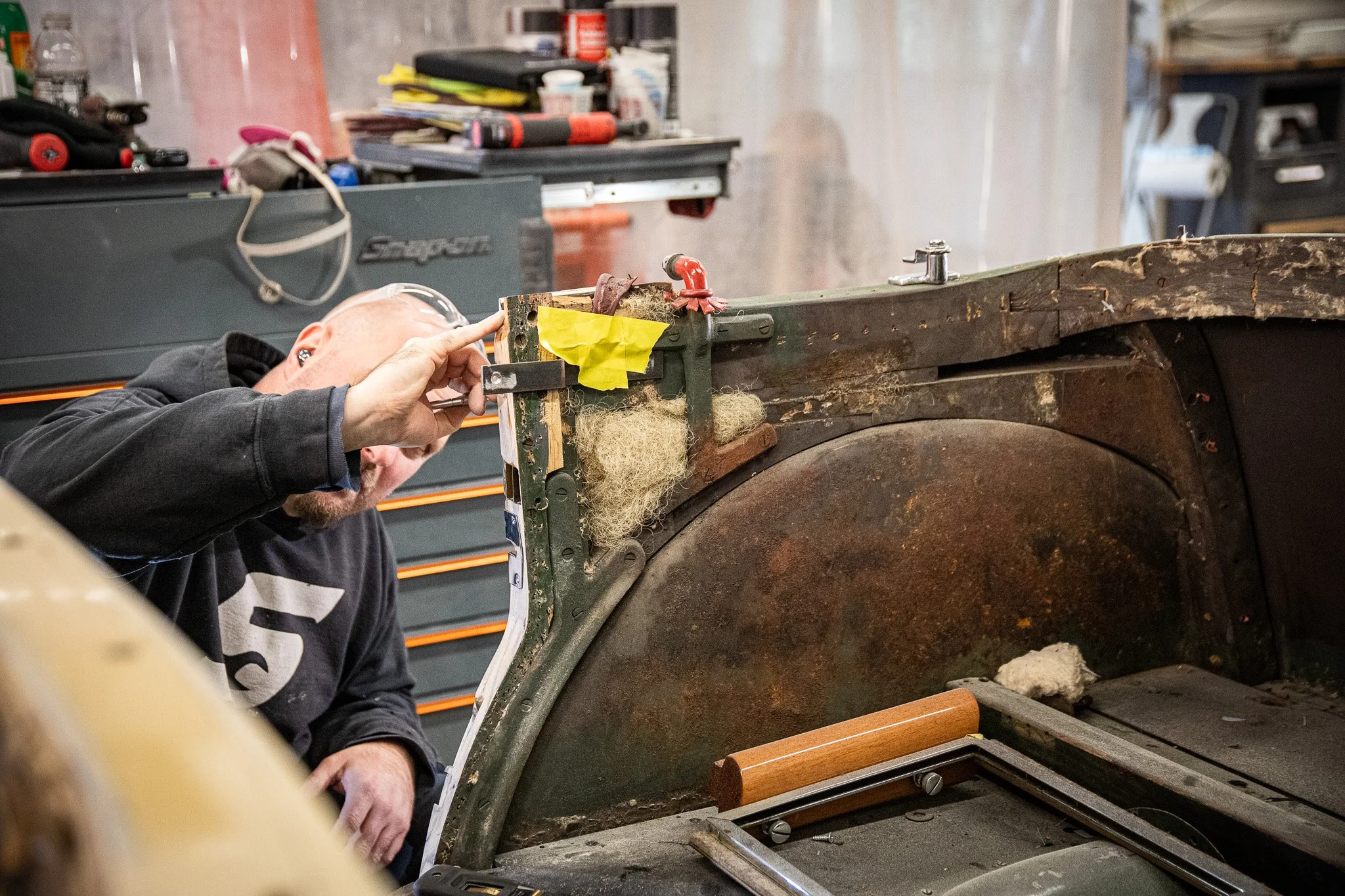
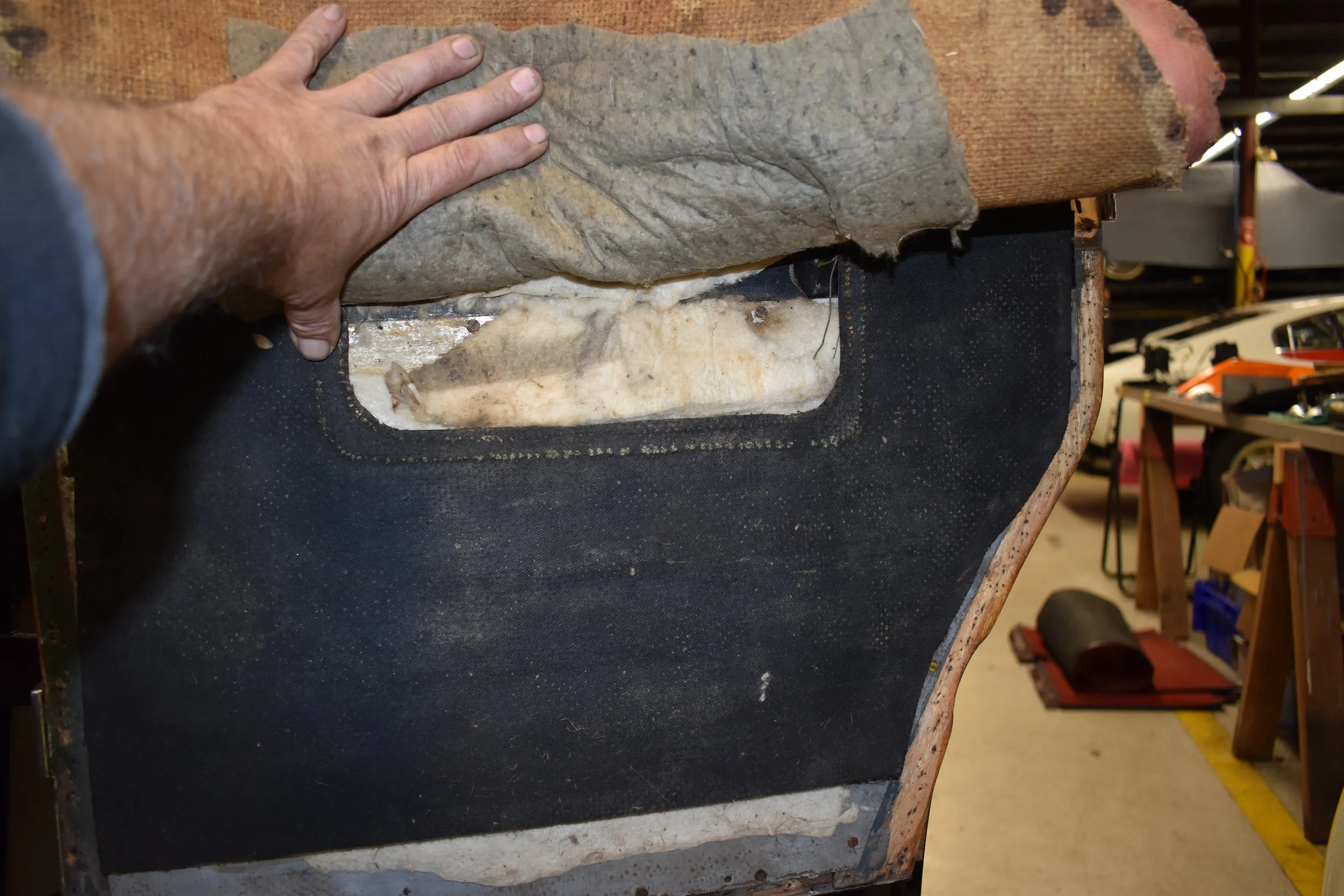
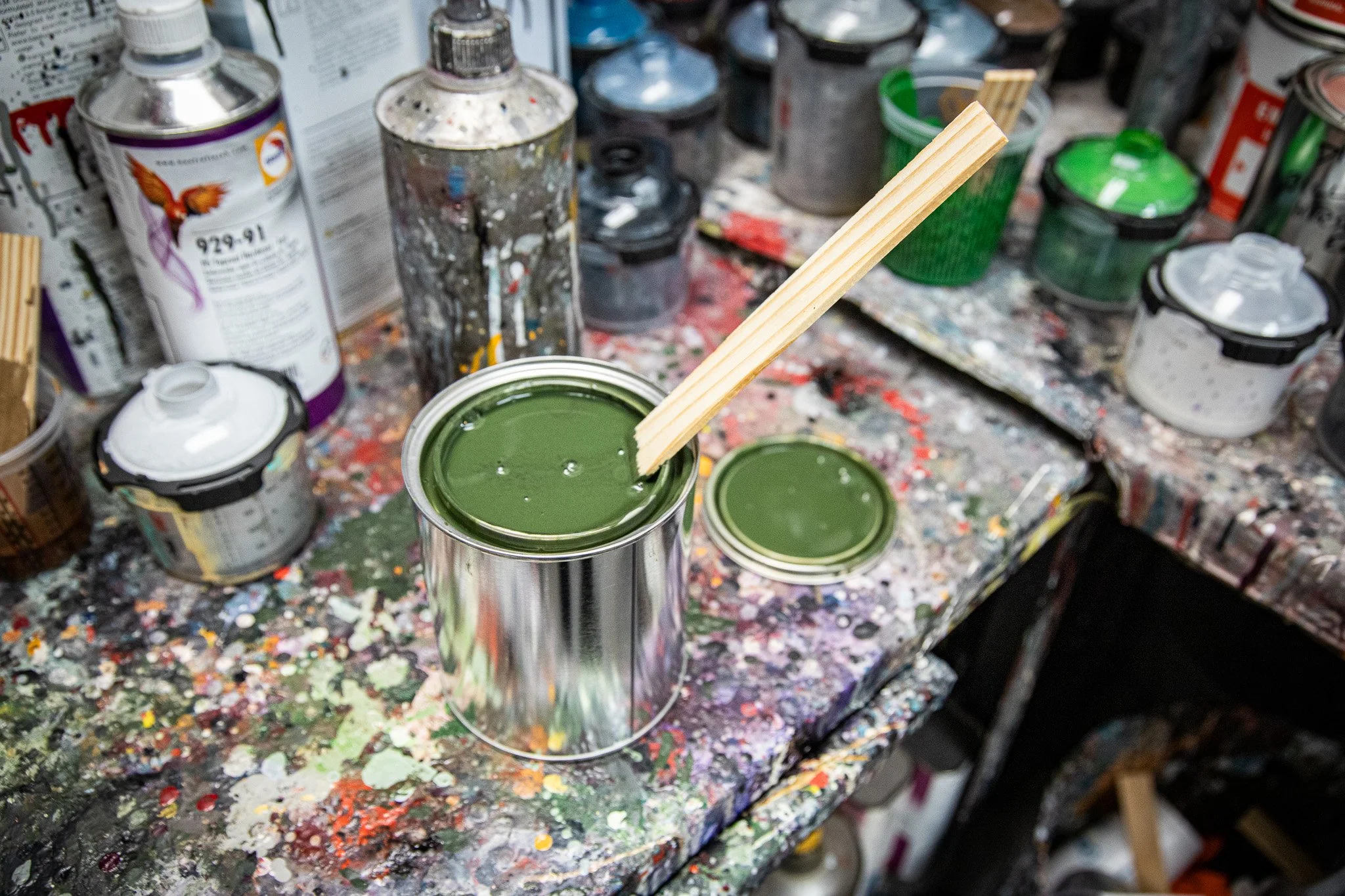
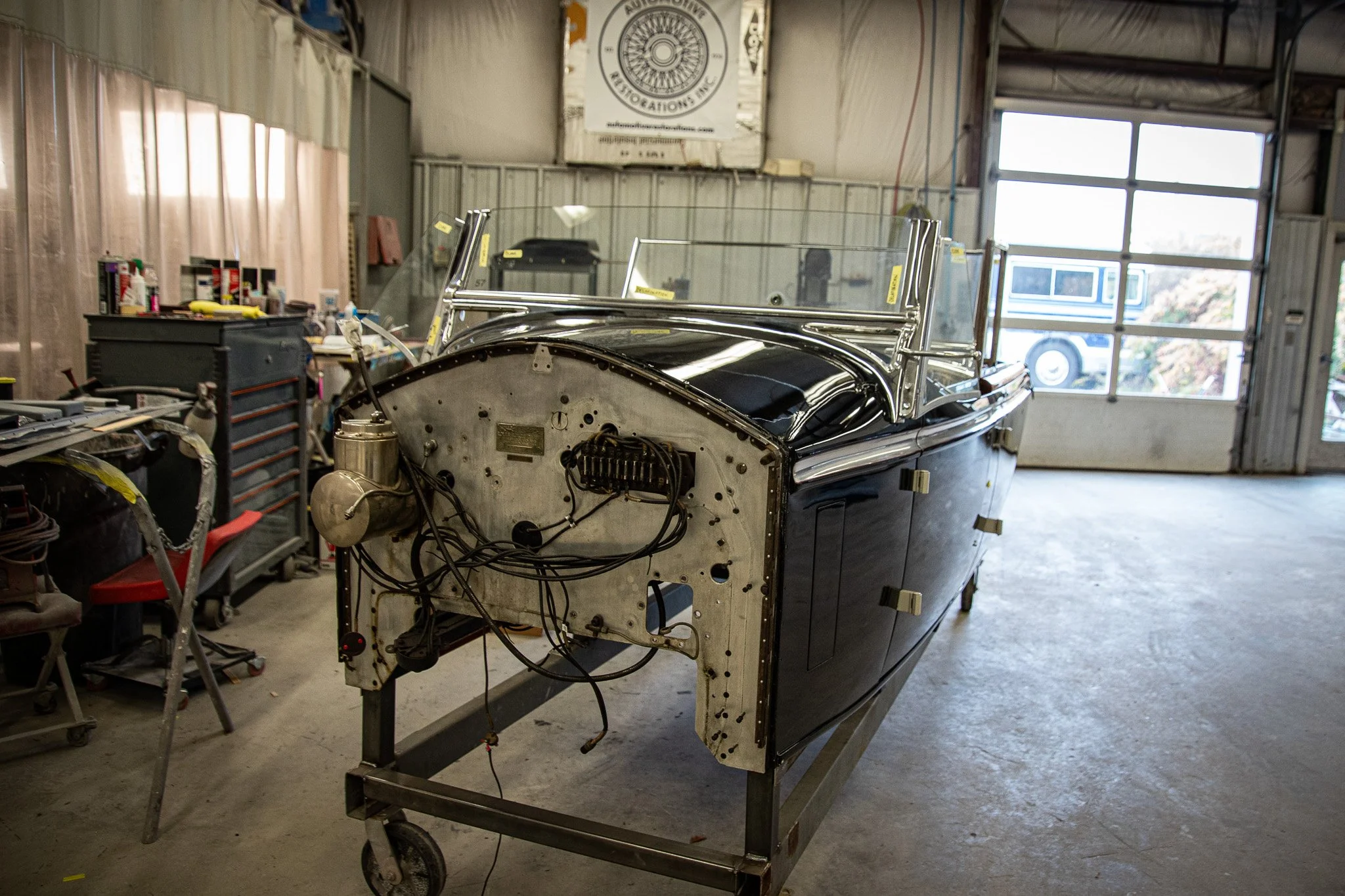
Hidden traces of original paint discovered during restoration confirmed the Phantom was originally finished in green. Returning the body to this historically accurate color was less about aesthetics and more about identity, revealing the car as it was first intended to be seen when it left Springfield in 1929.
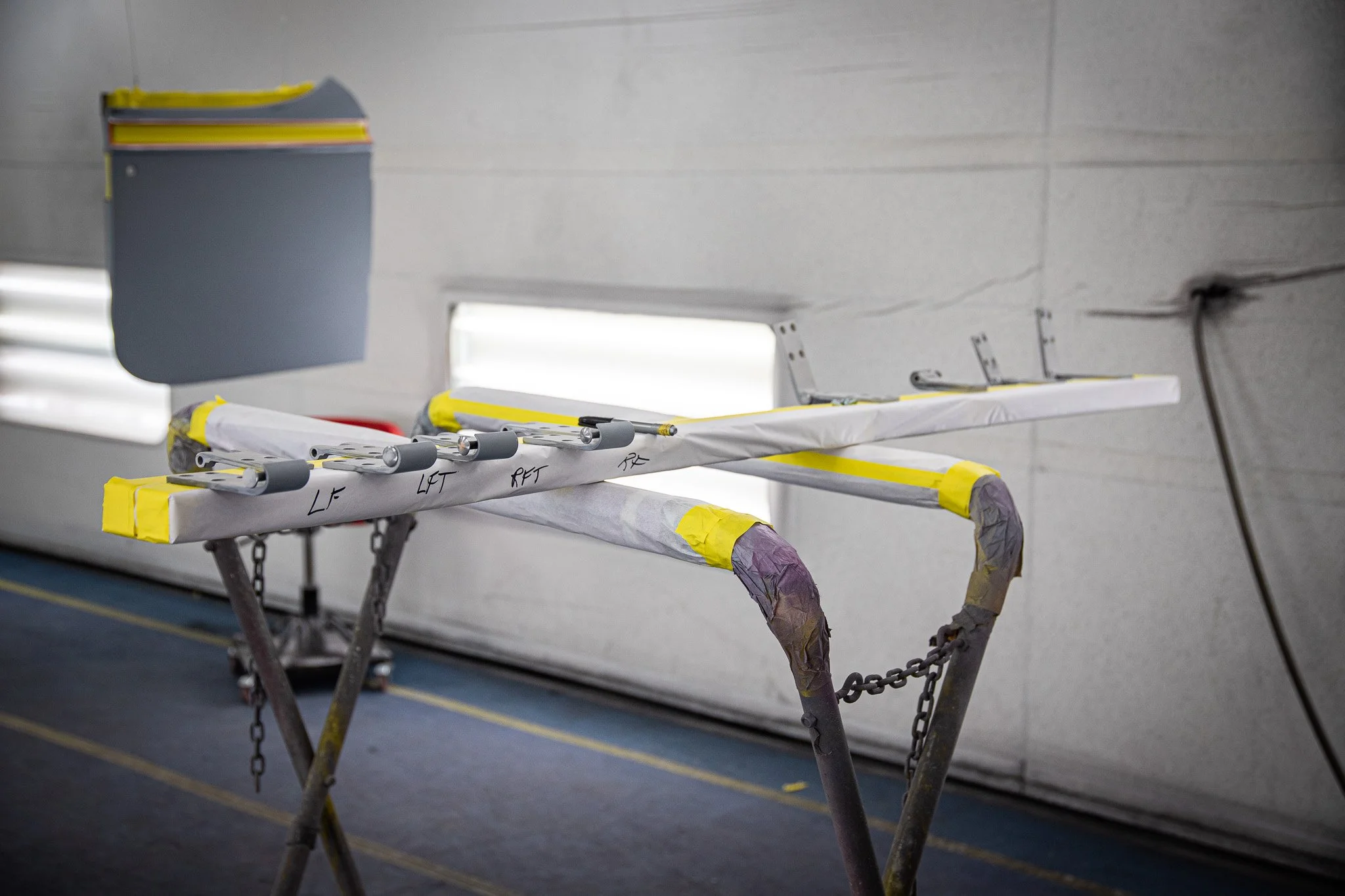
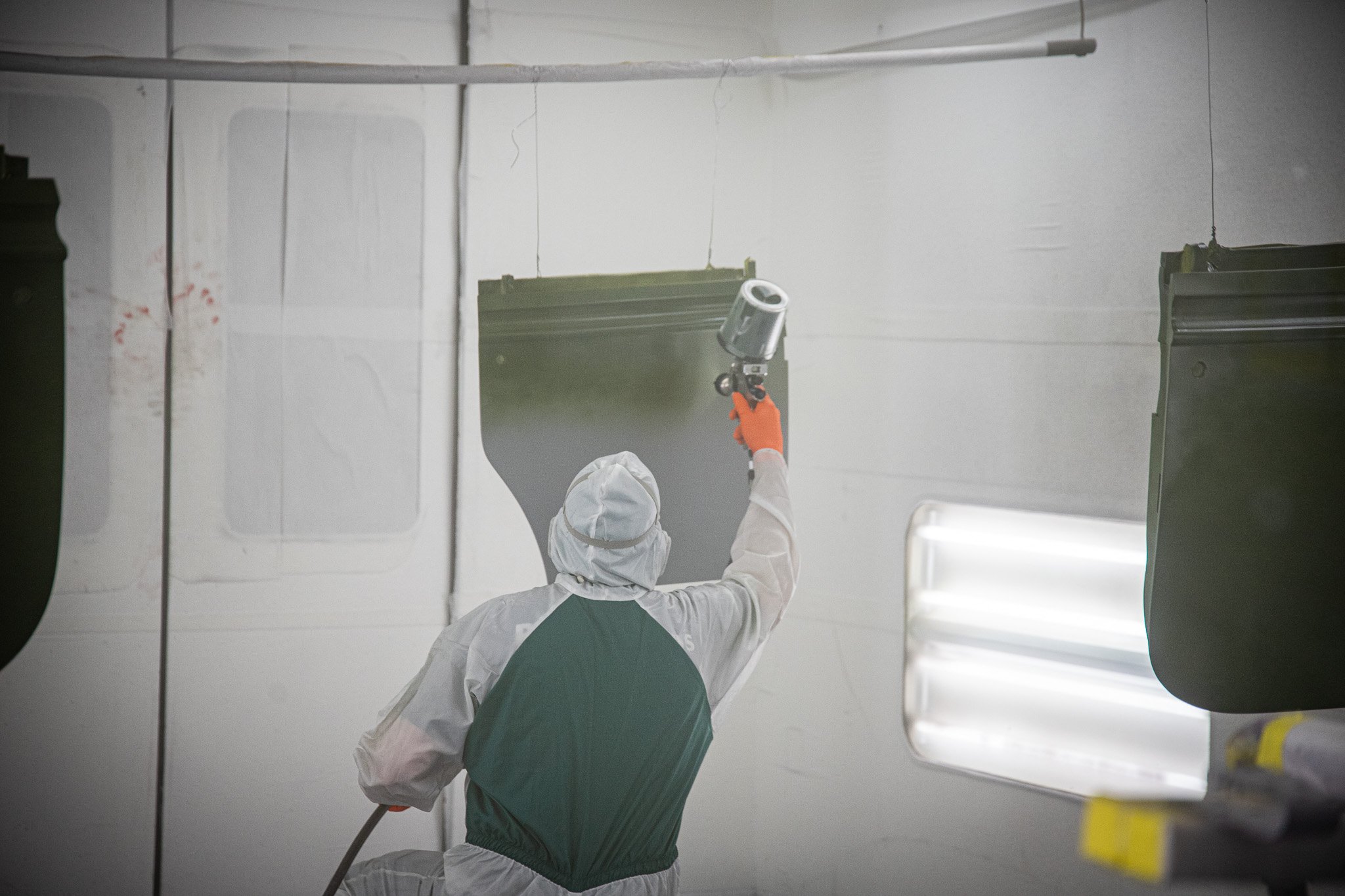
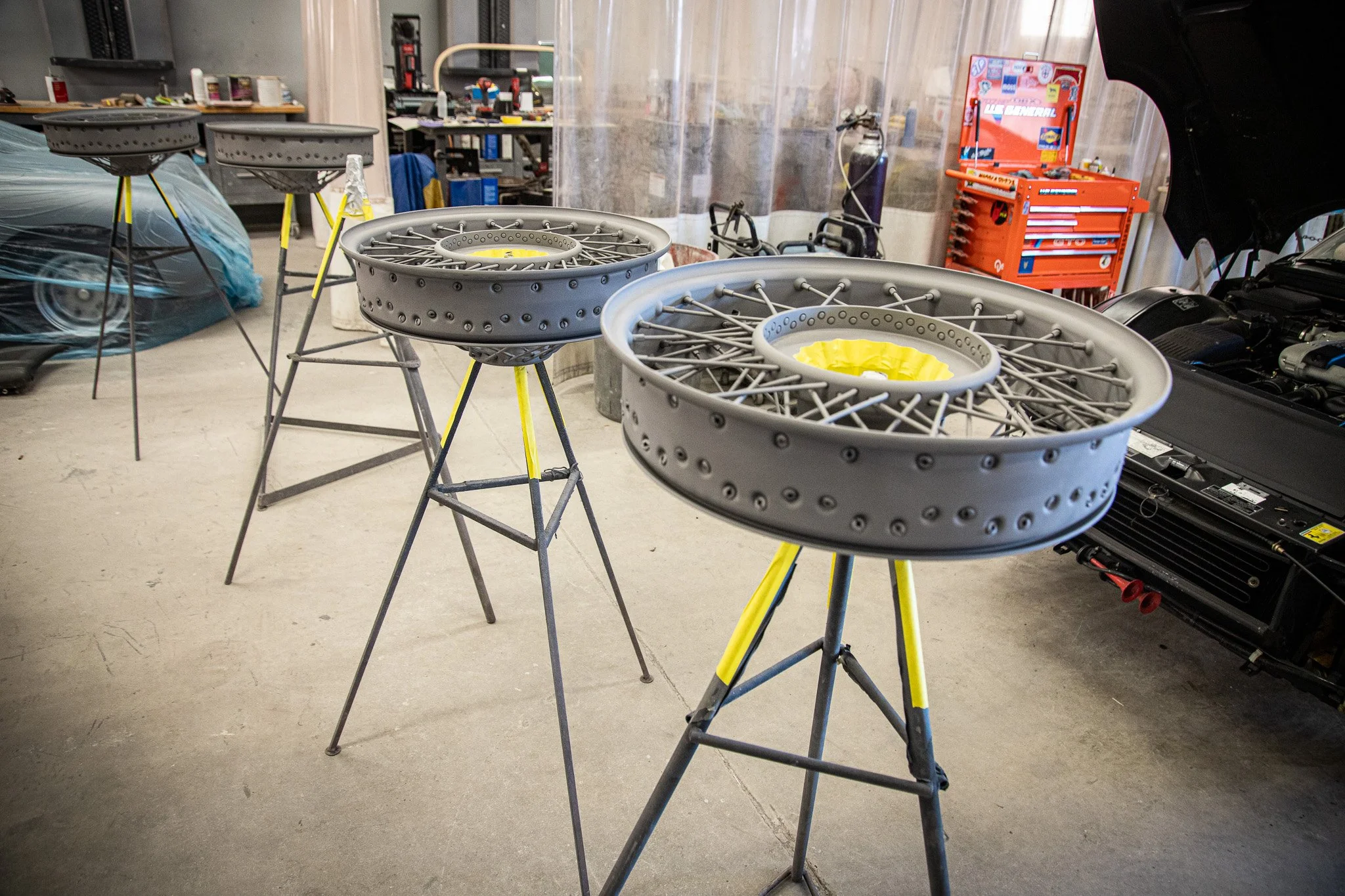
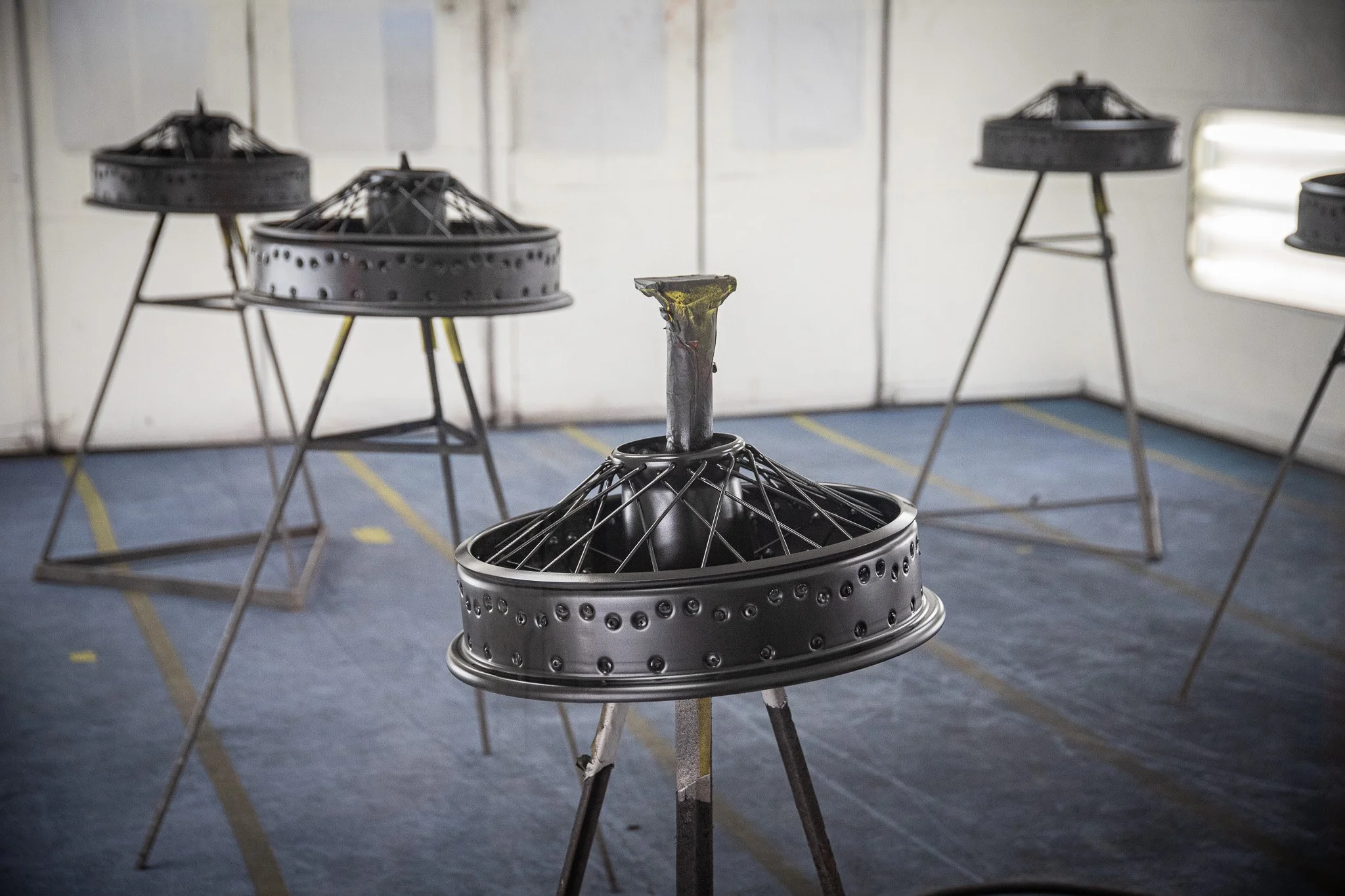
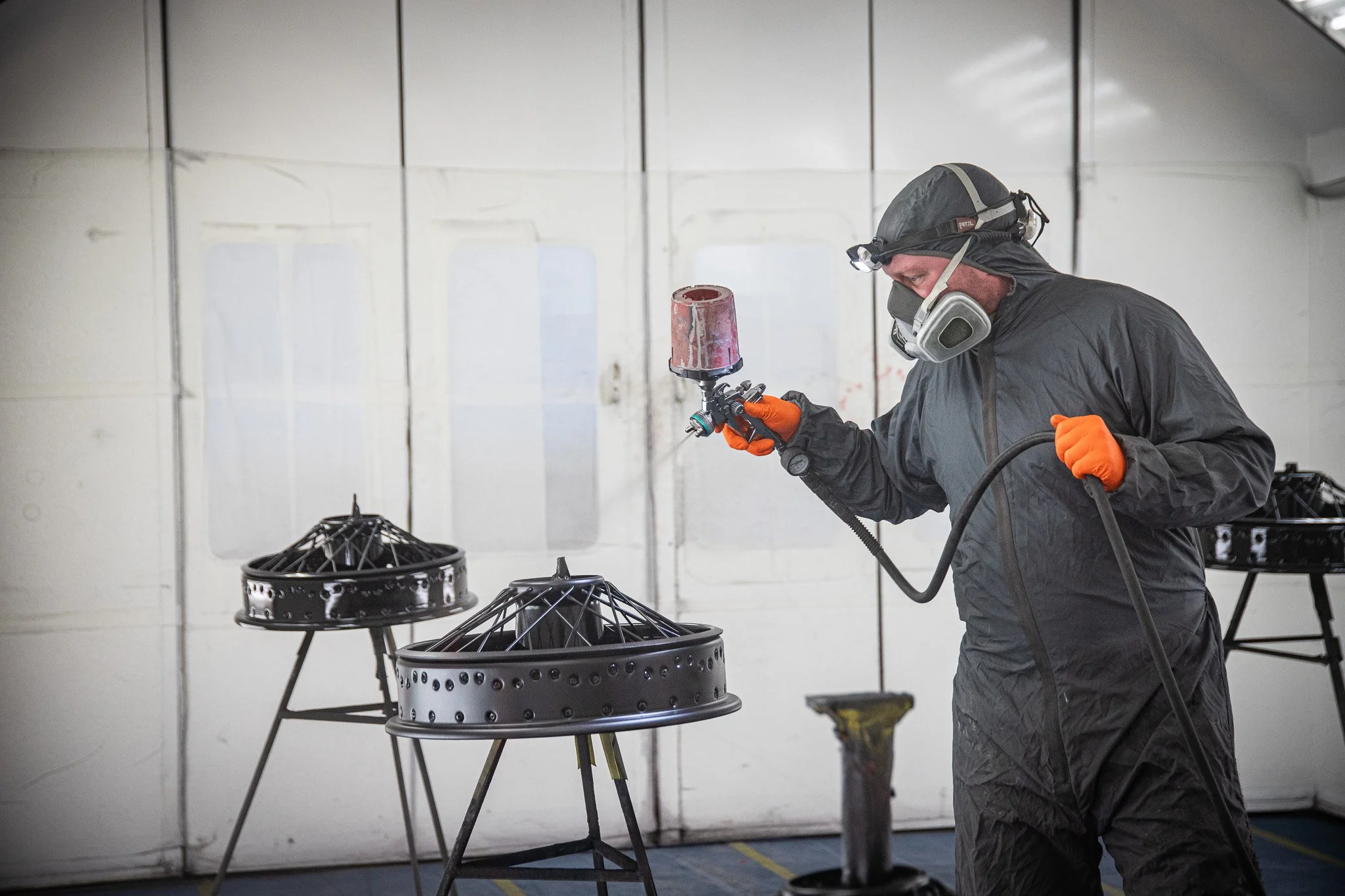
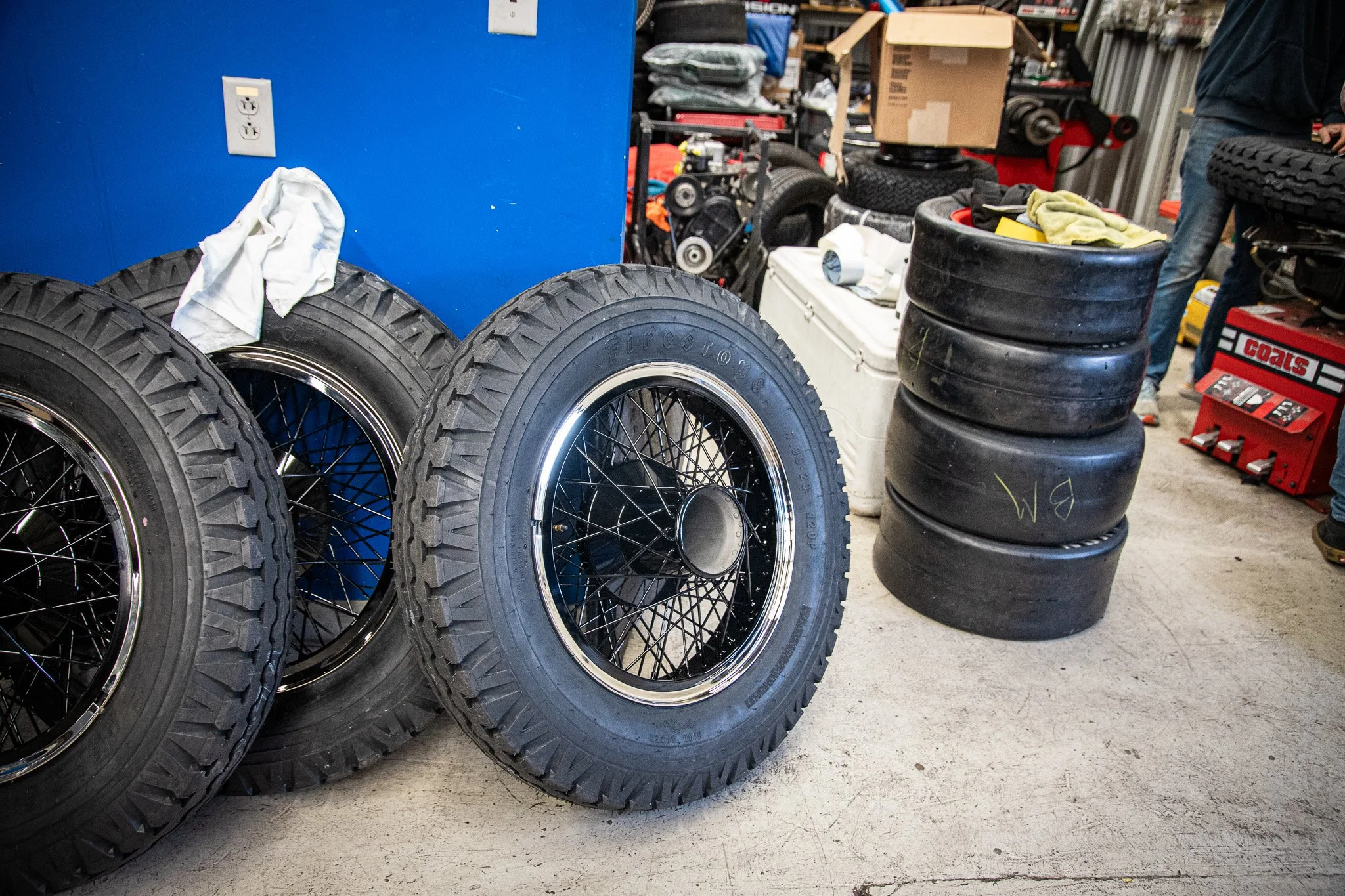
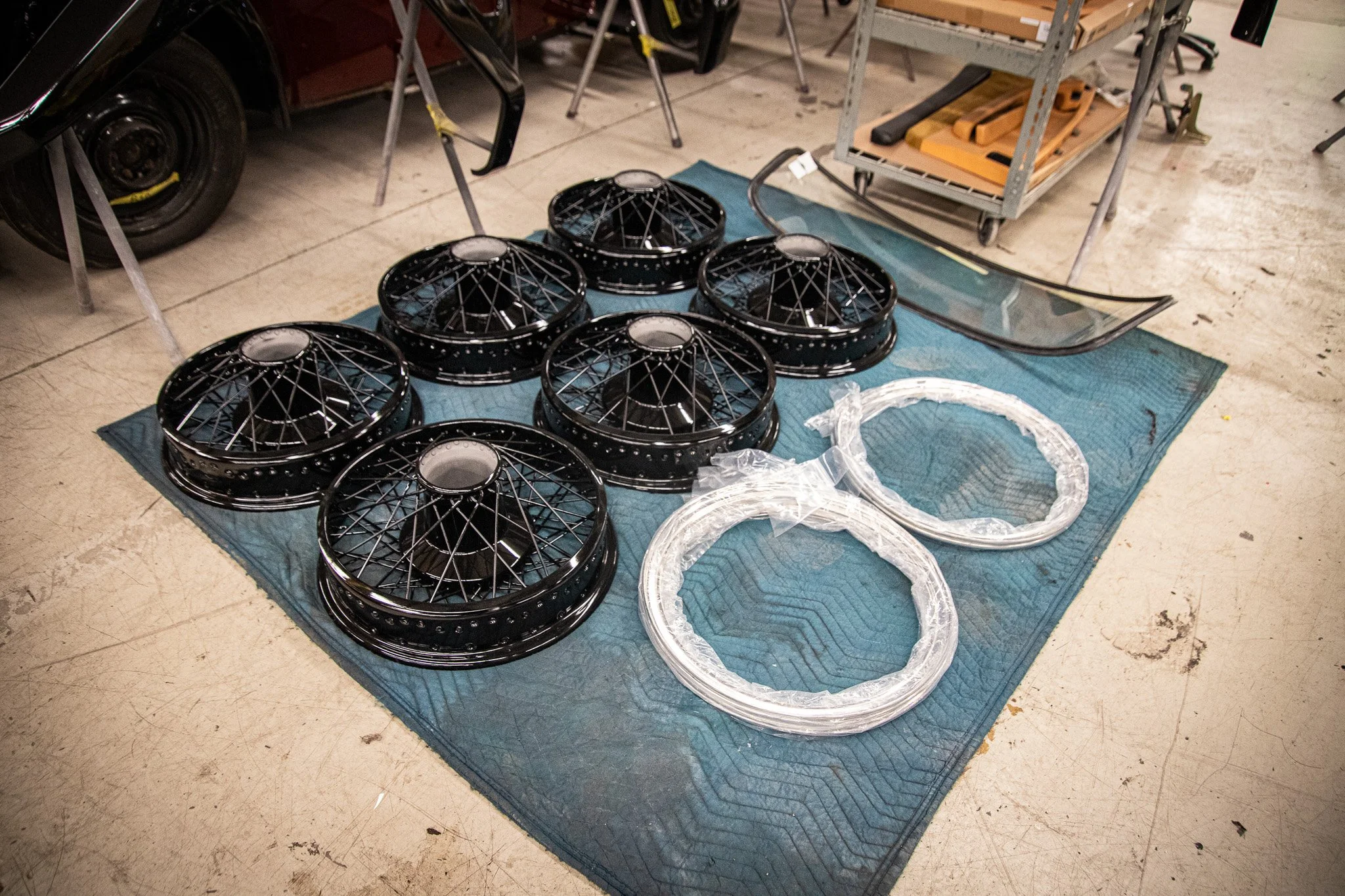
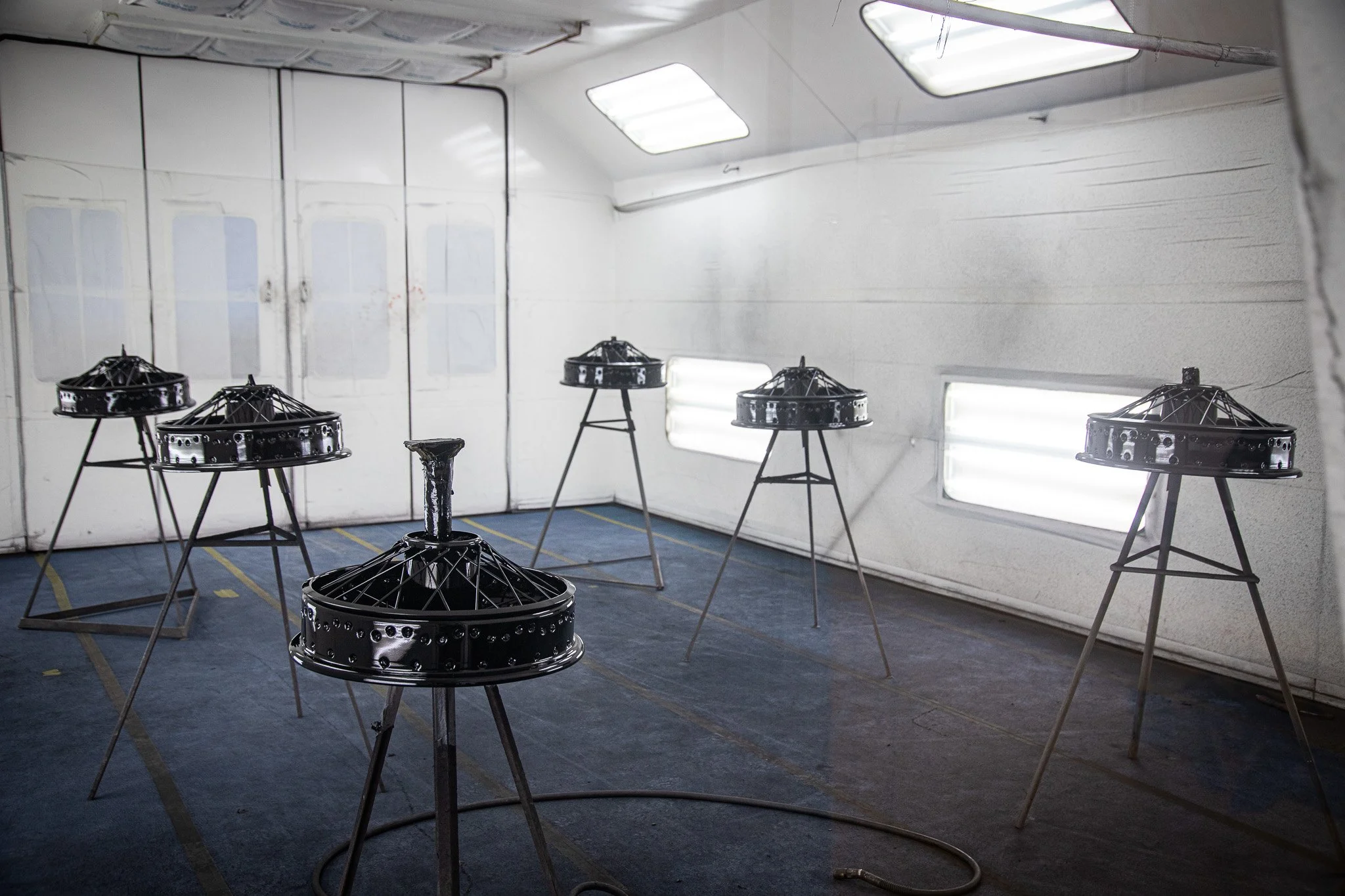
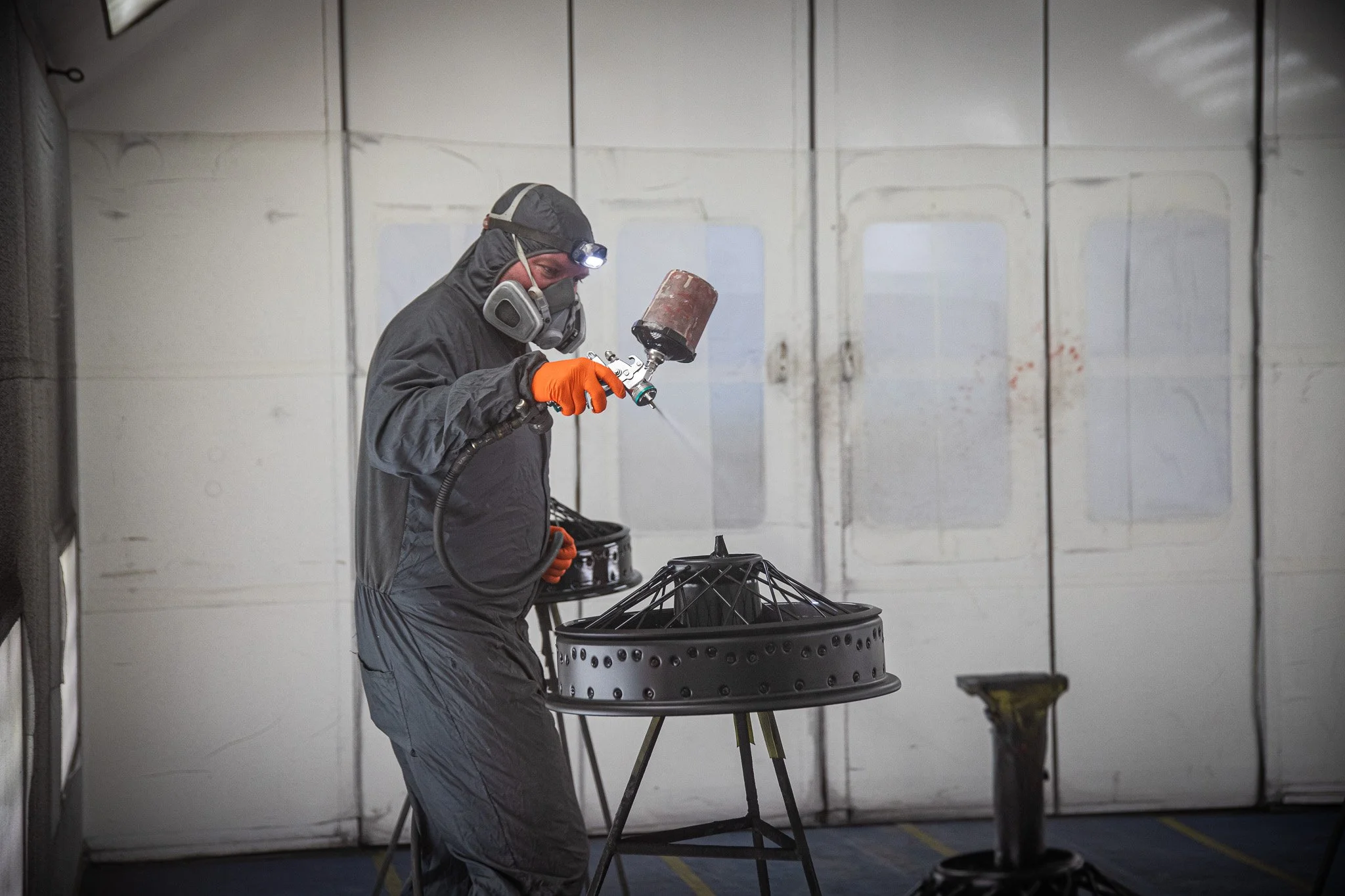
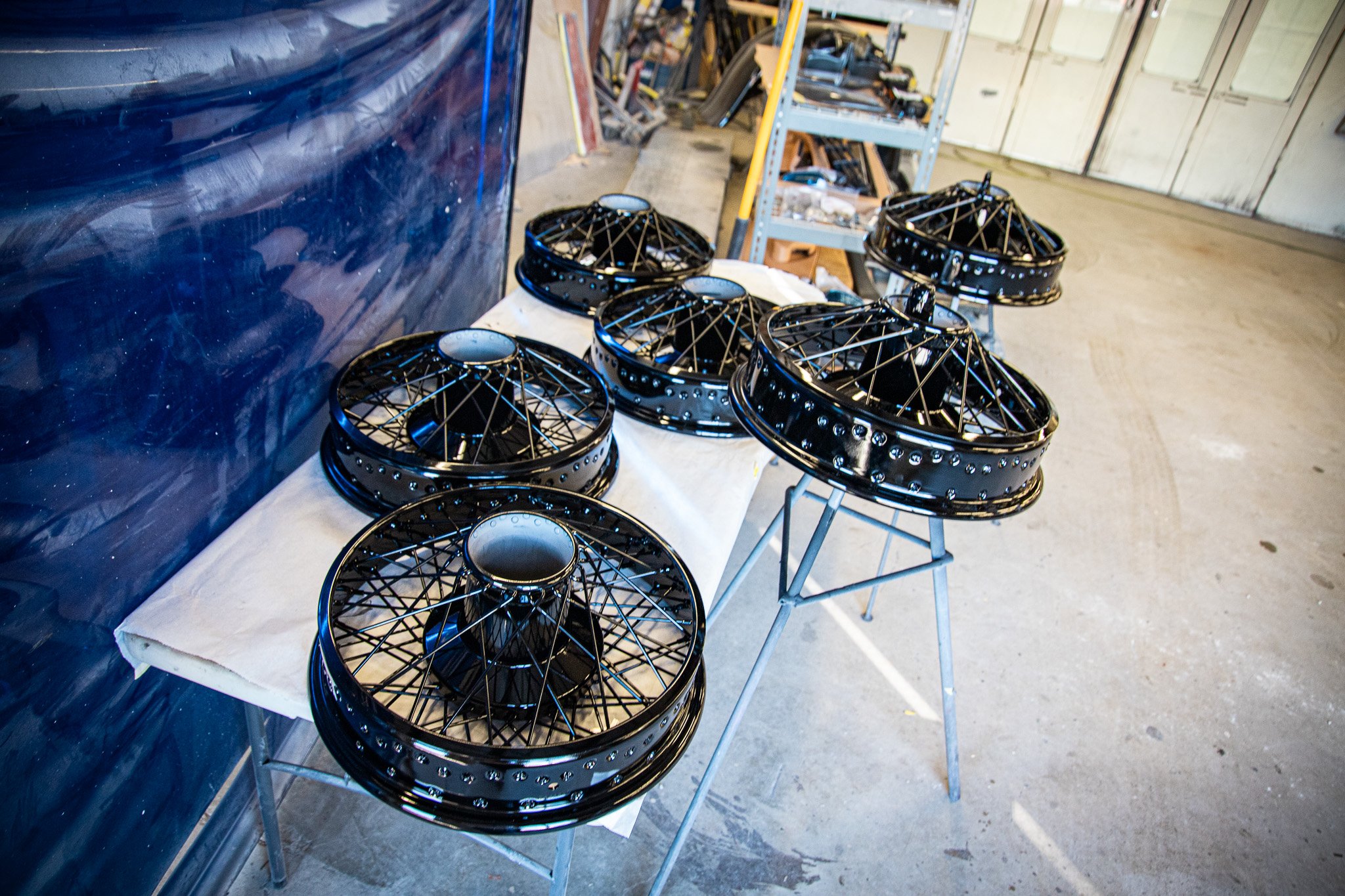
The wheels were stripped and refinished to their correct original appearance, restoring the understated contrast intended by Brewster. Finished in period-appropriate paint rather than modern coatings, they once again complement the body instead of competing with it, allowing the Phantom’s proportions to speak for themselves.
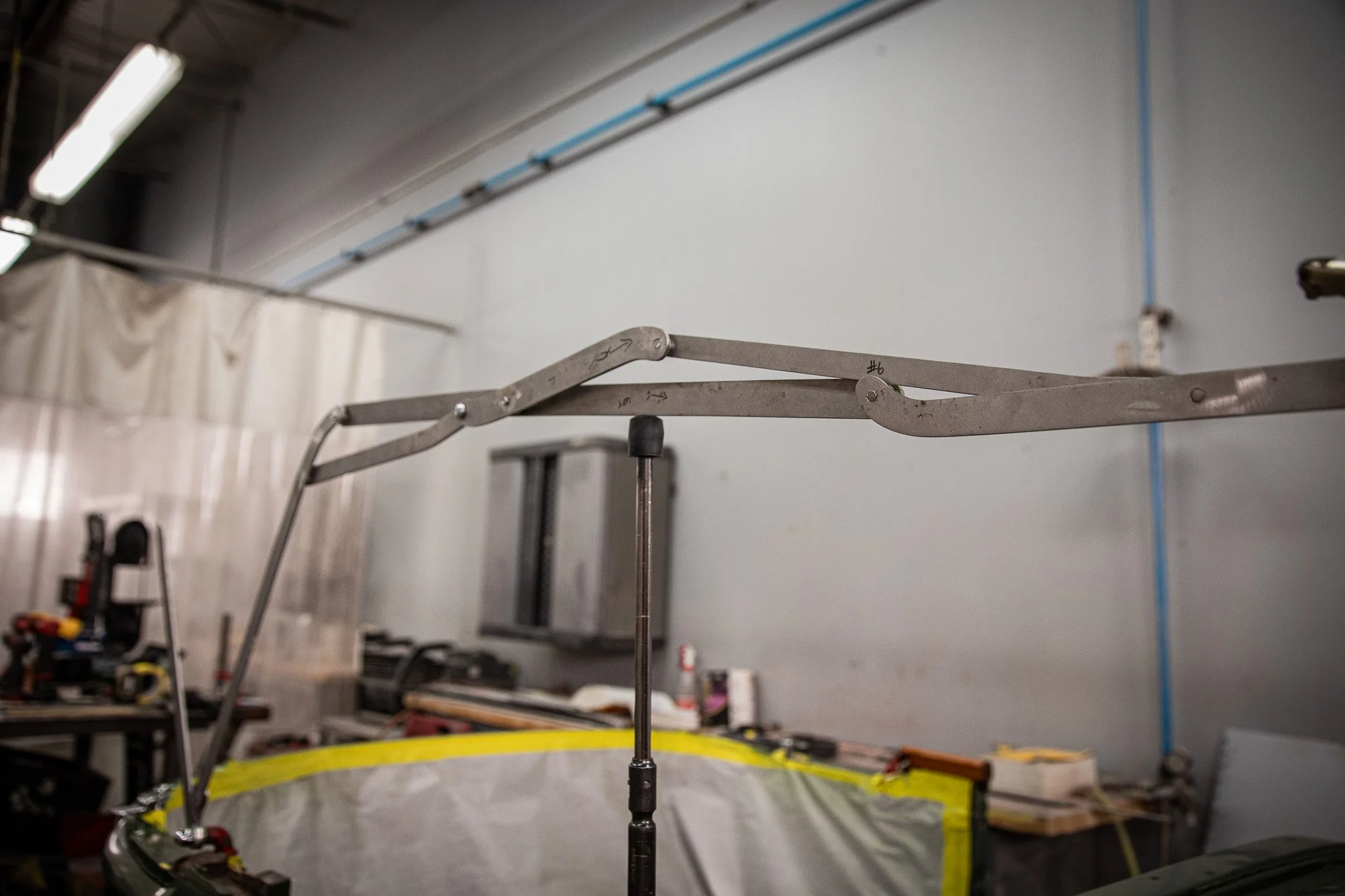
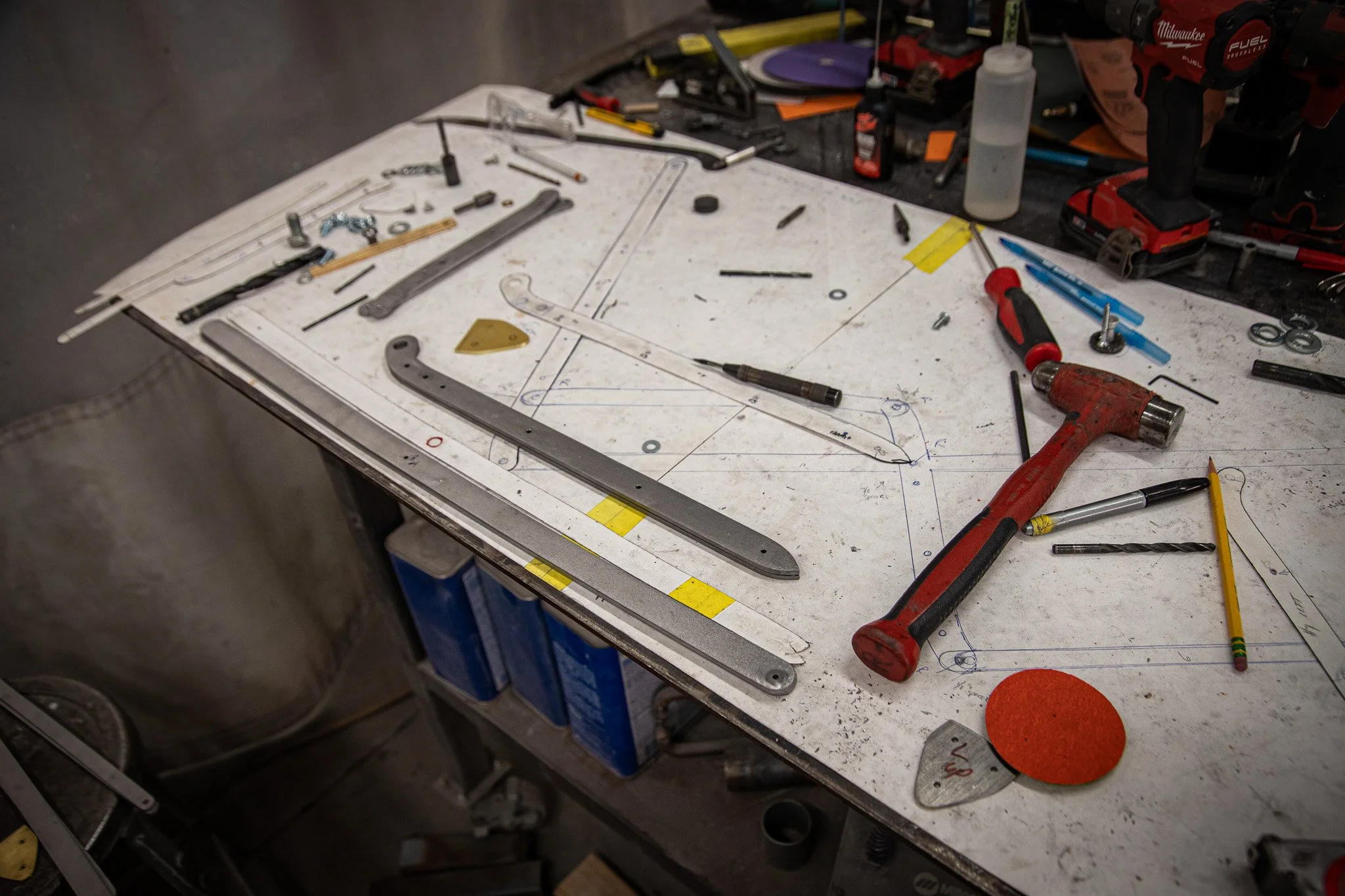
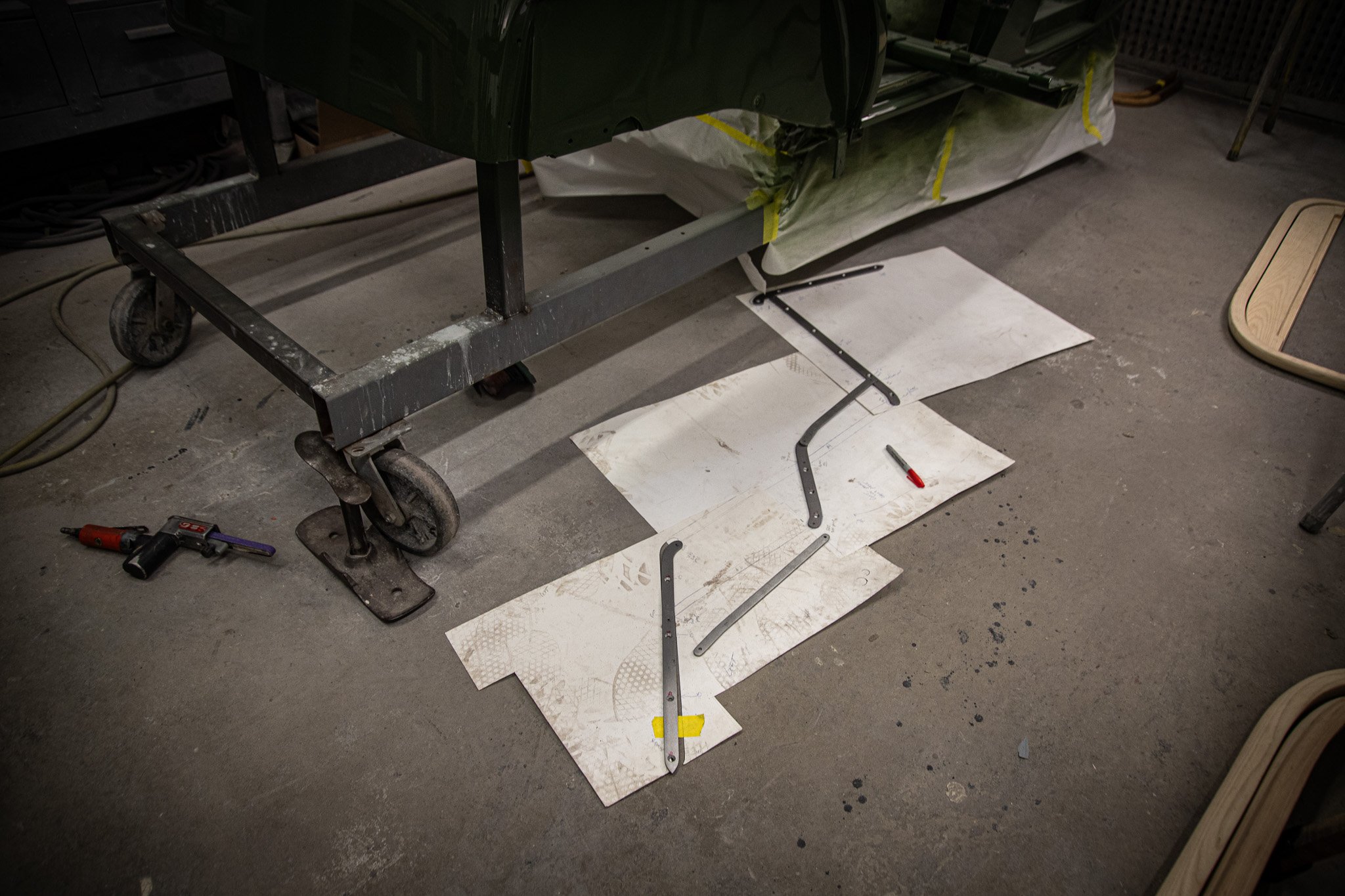
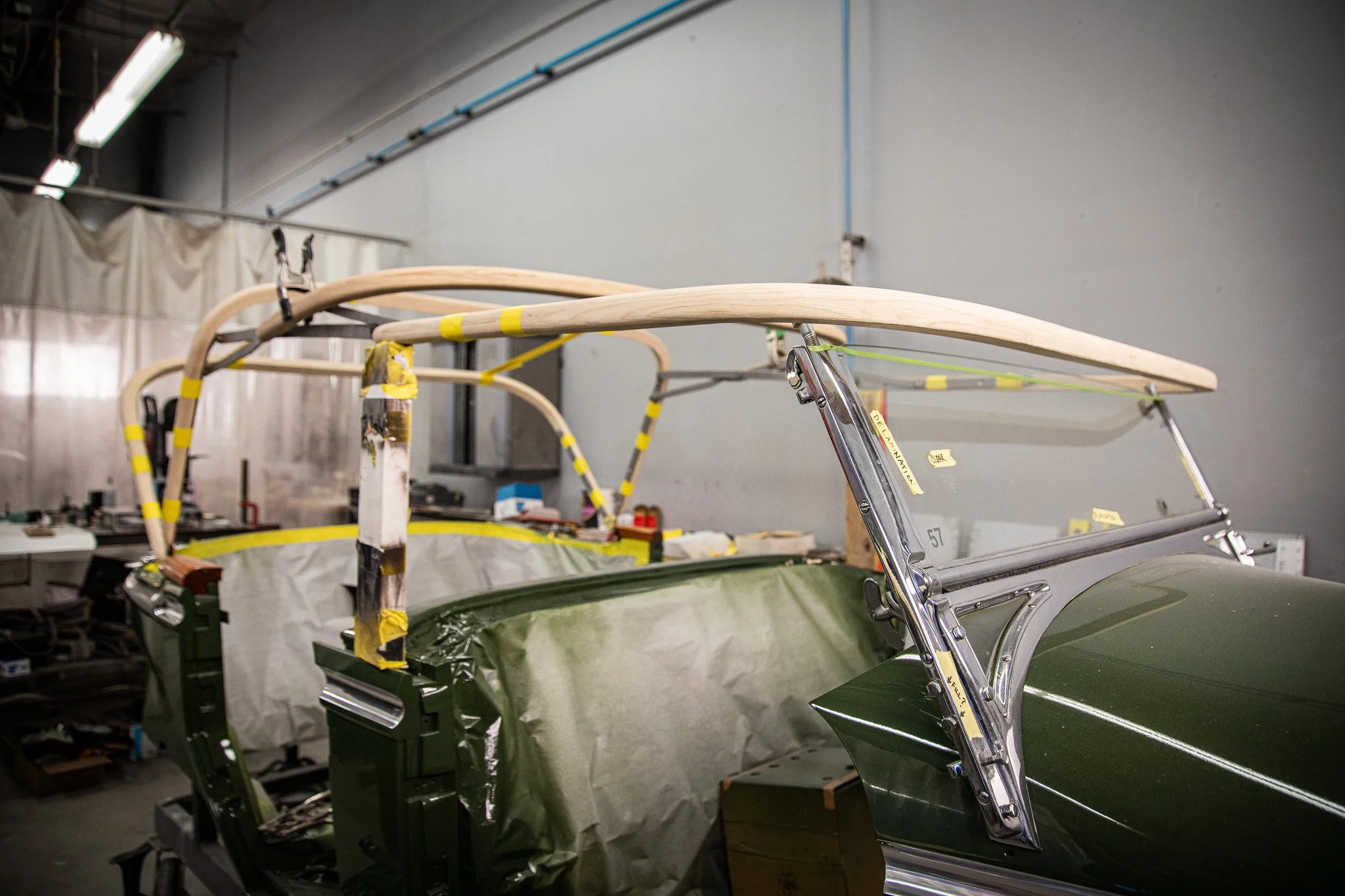
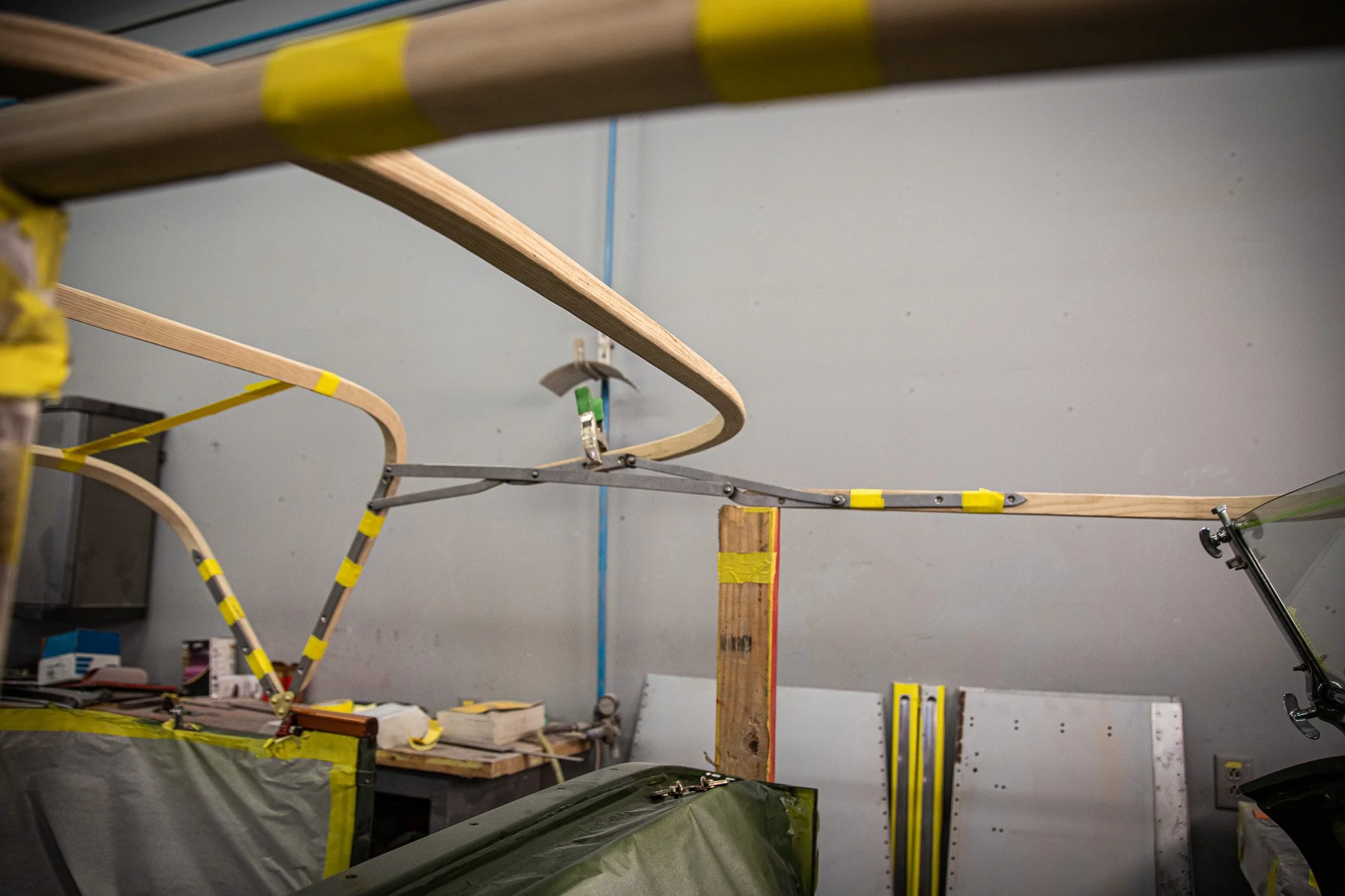
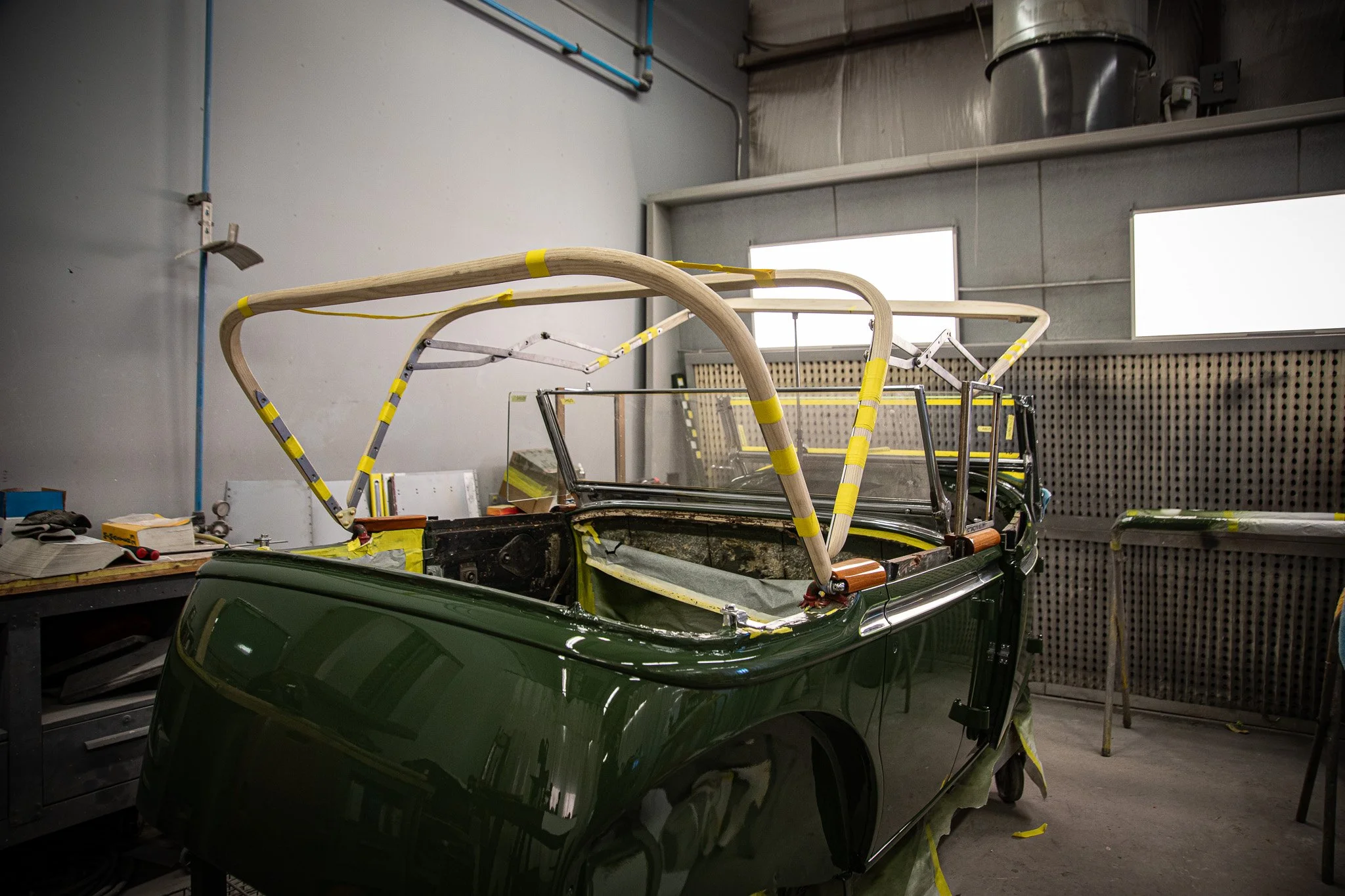
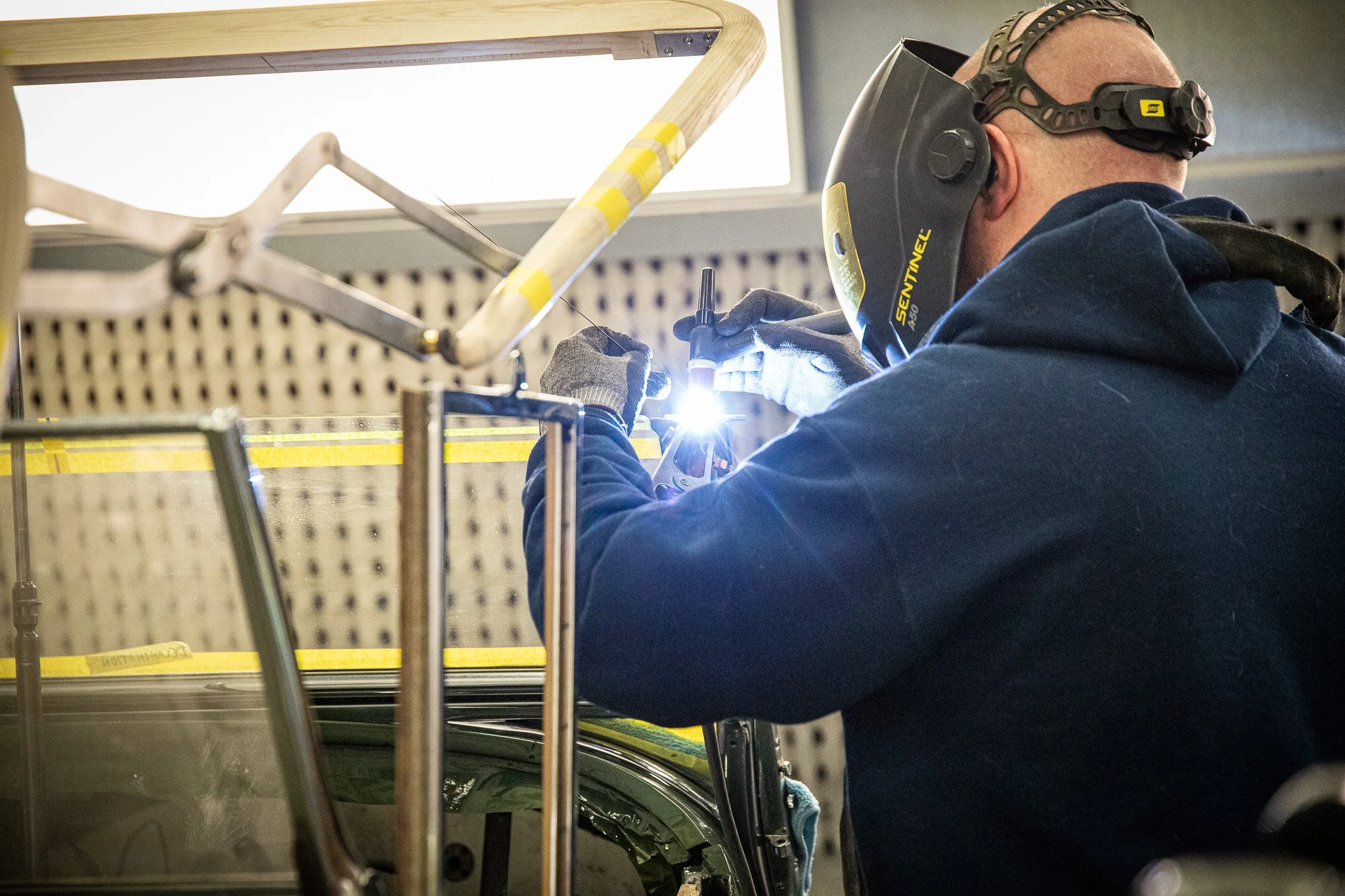
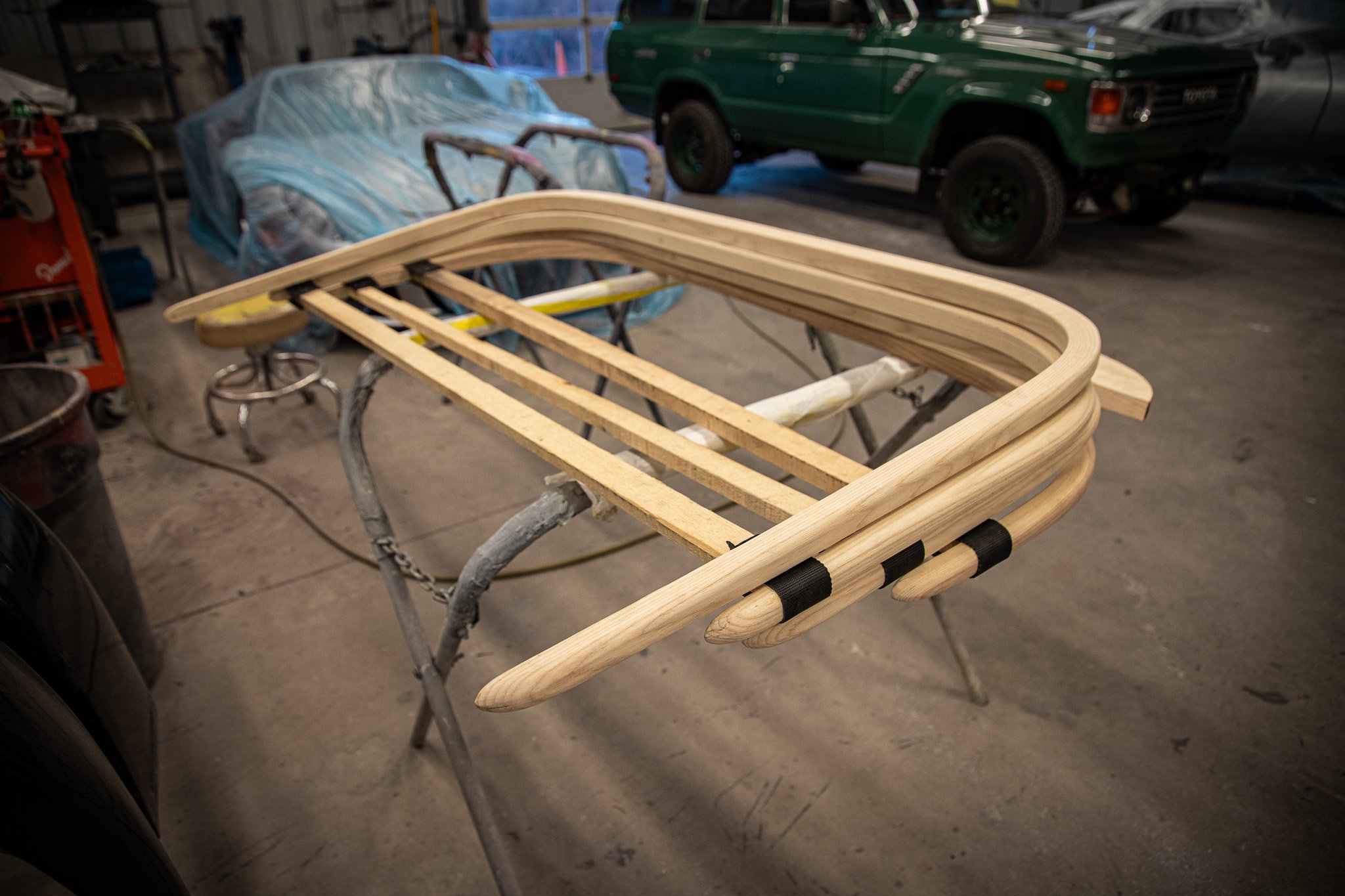
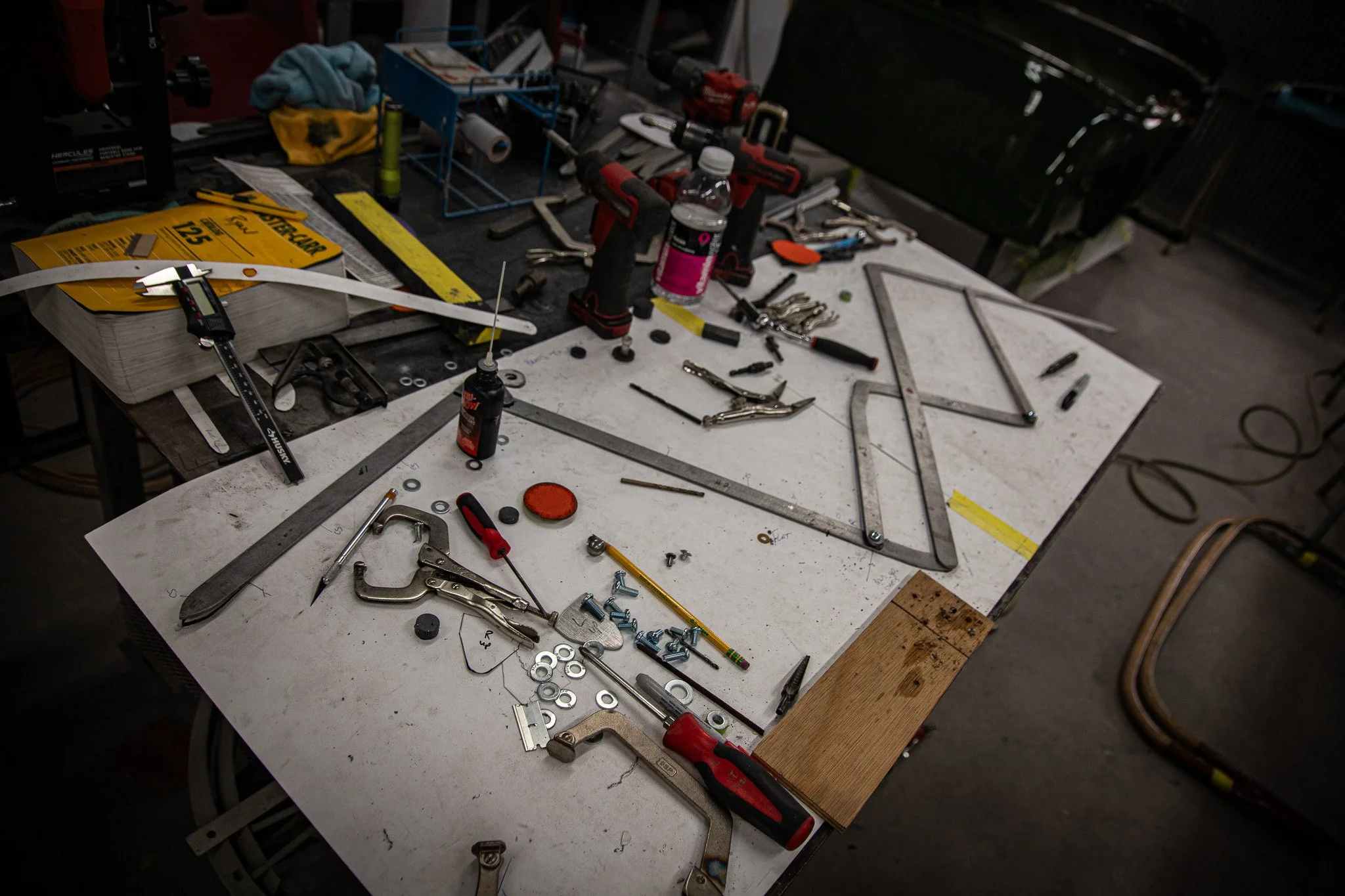
Using original factory schematics as a guide, the roof frame was hand-built to ensure correct geometry, fit, and function. This approach preserved authenticity while restoring proper operation, reinforcing the balance between craftsmanship and historical accuracy that defined the project.
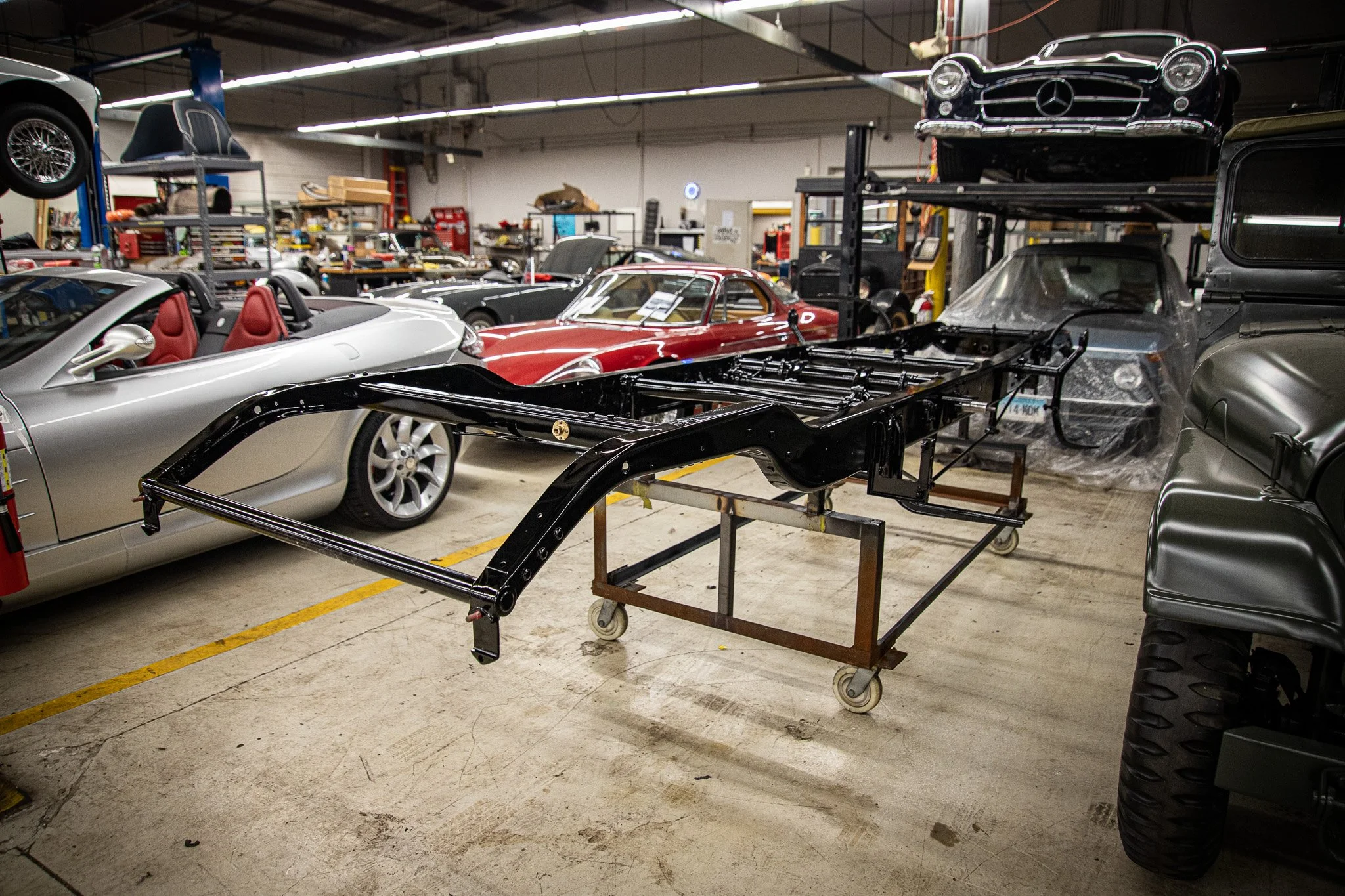
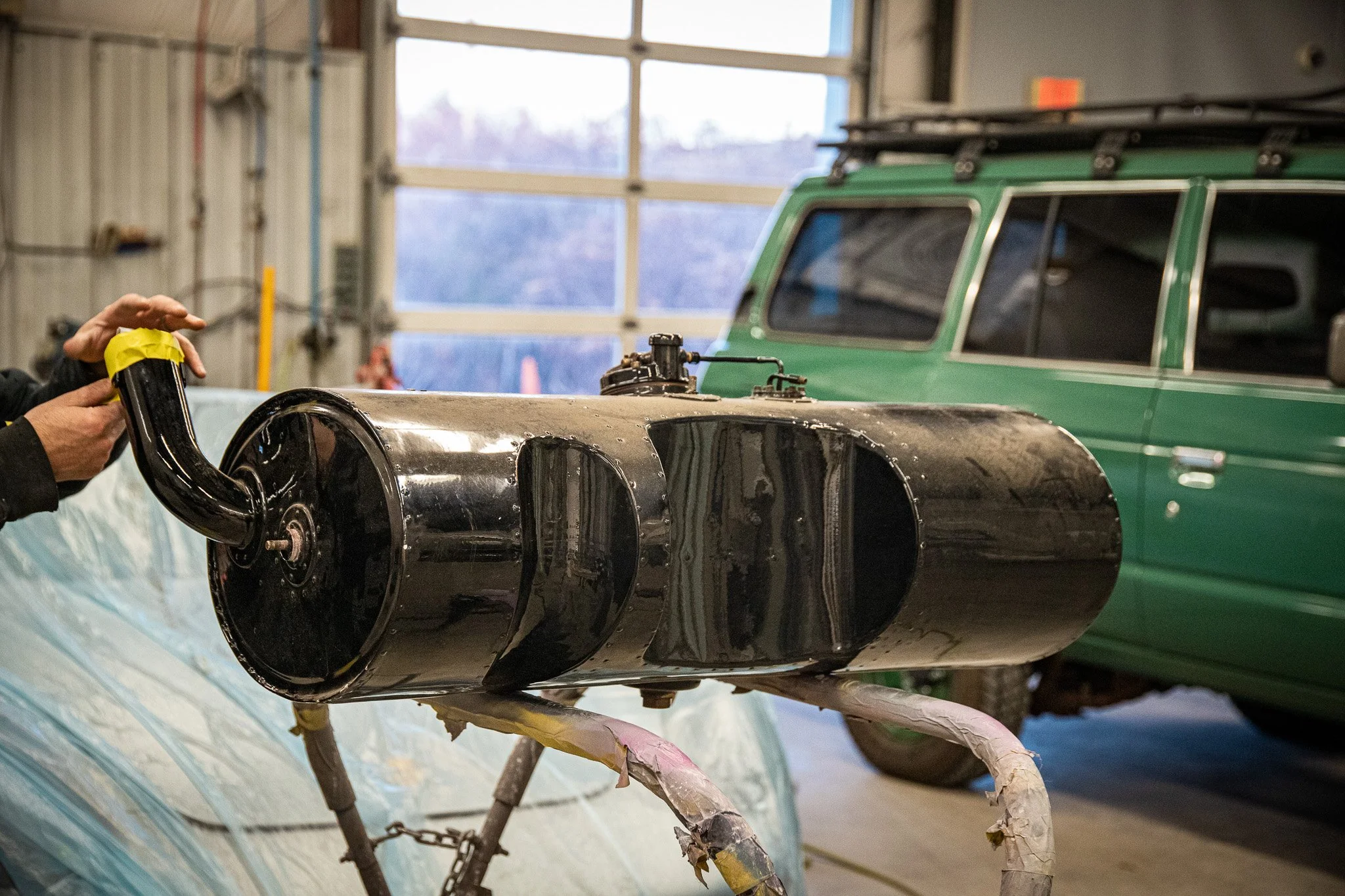
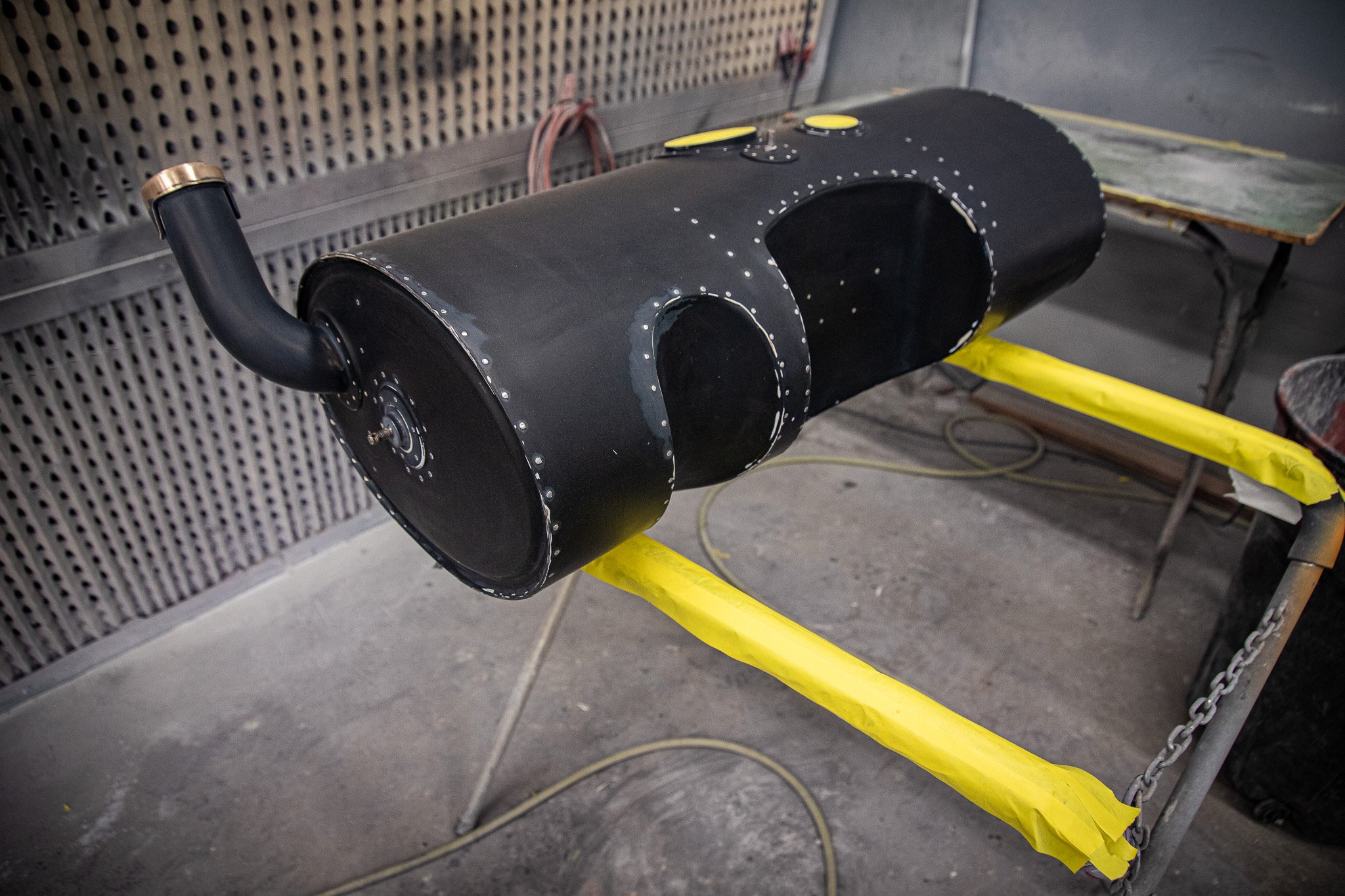
The chassis and frame were refinished in correct black to visually disappear beneath the car, just as Rolls-Royce intended. This quiet detail restores the Phantom’s sense of elegance, keeping attention focused on the body while ensuring long-term protection and durability. Also the fuel tank was carefully worked over to address age-related wear and ensure safe, reliable operation. Attention was paid not only to function, but also to proper fit and finish, preserving originality while preparing the Phantom for real driving, not just display.
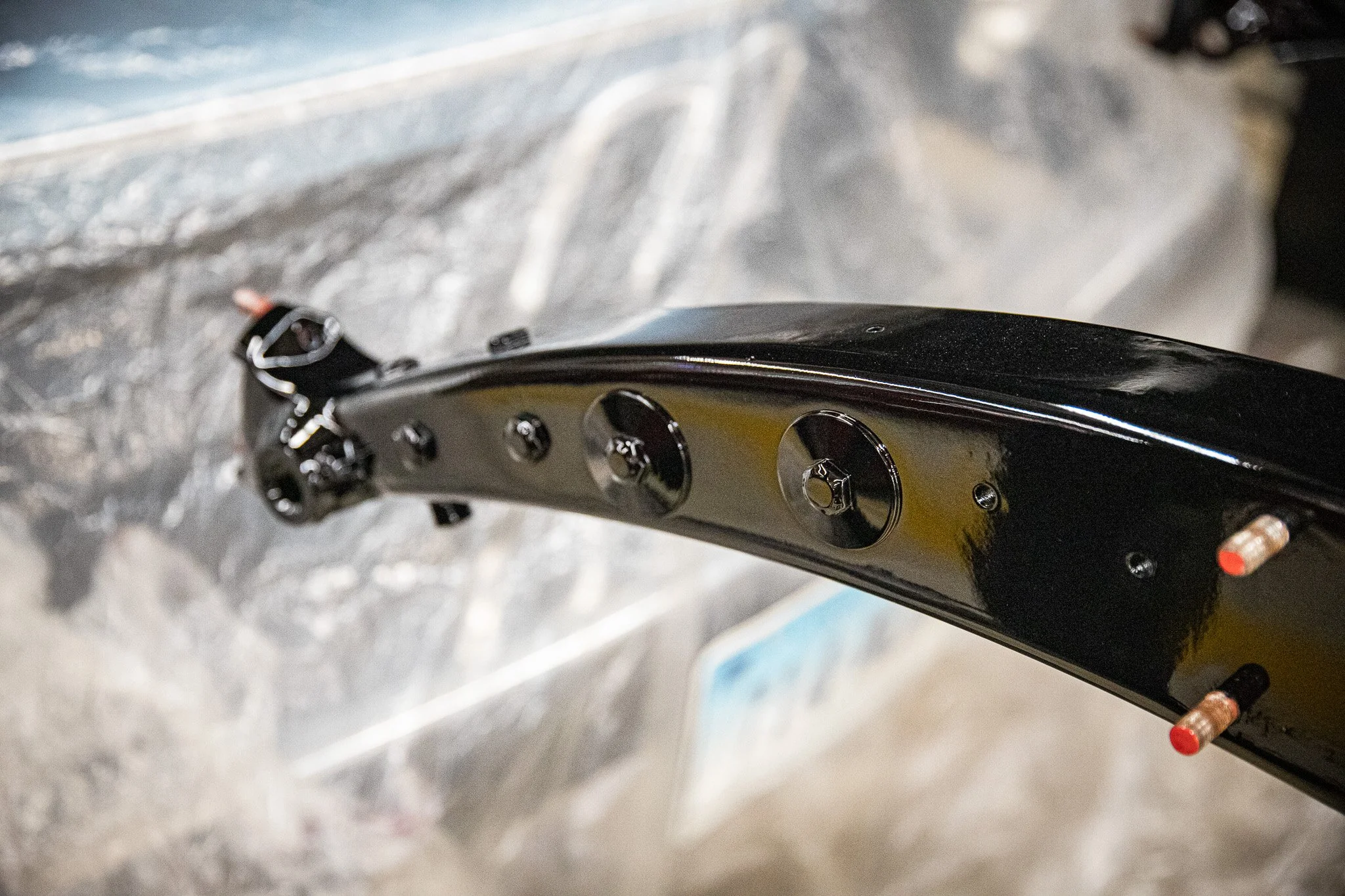
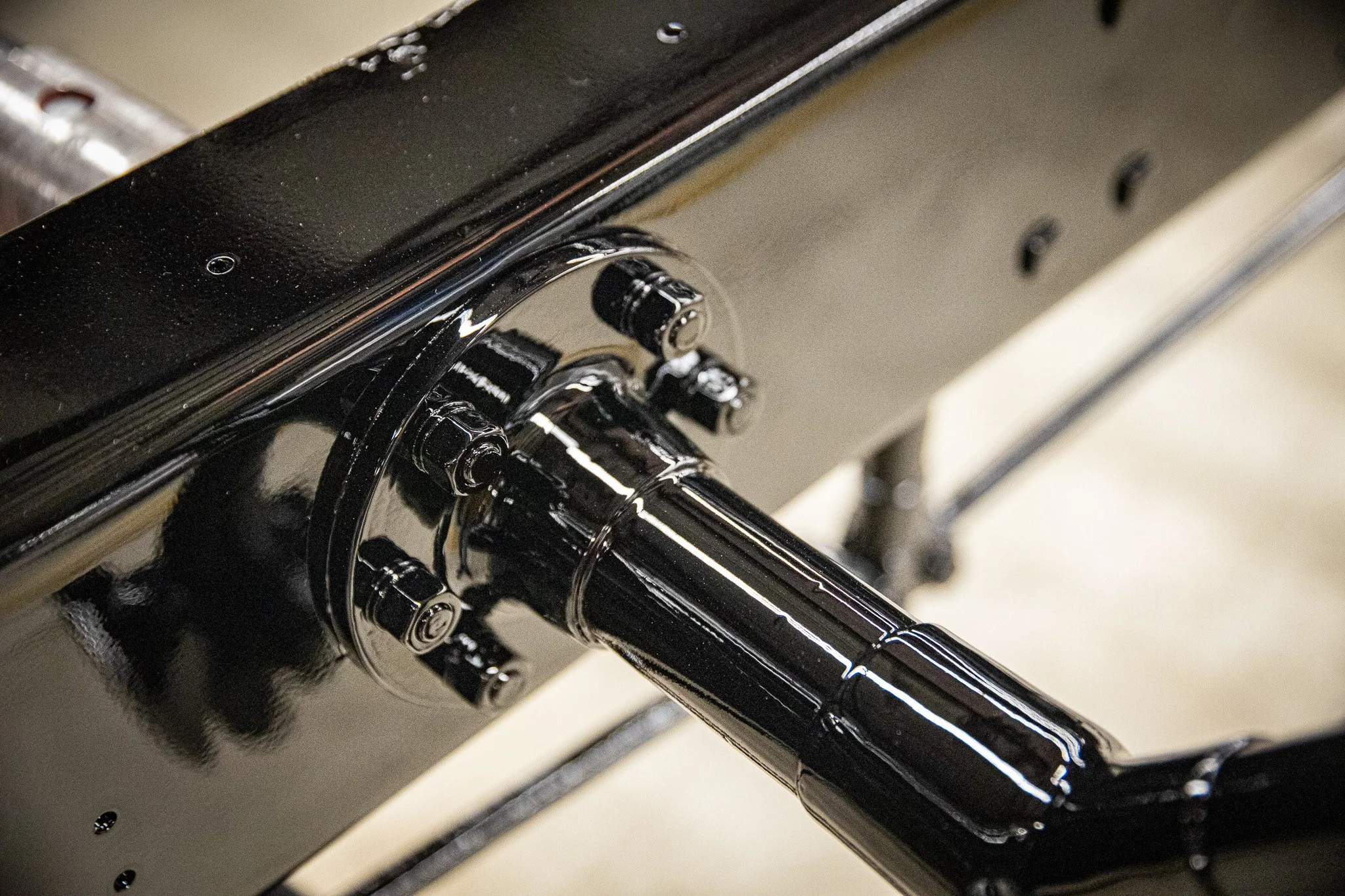
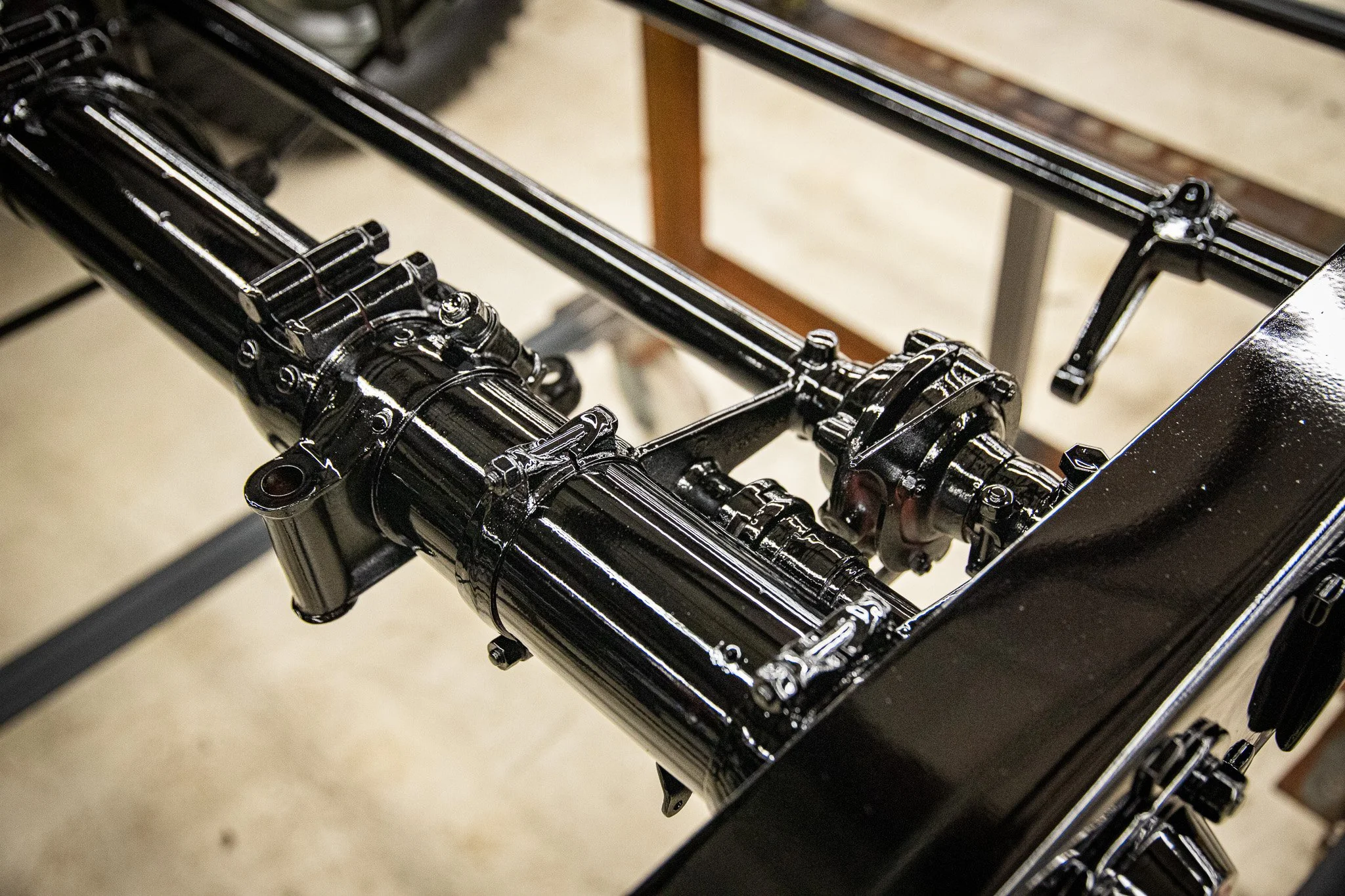
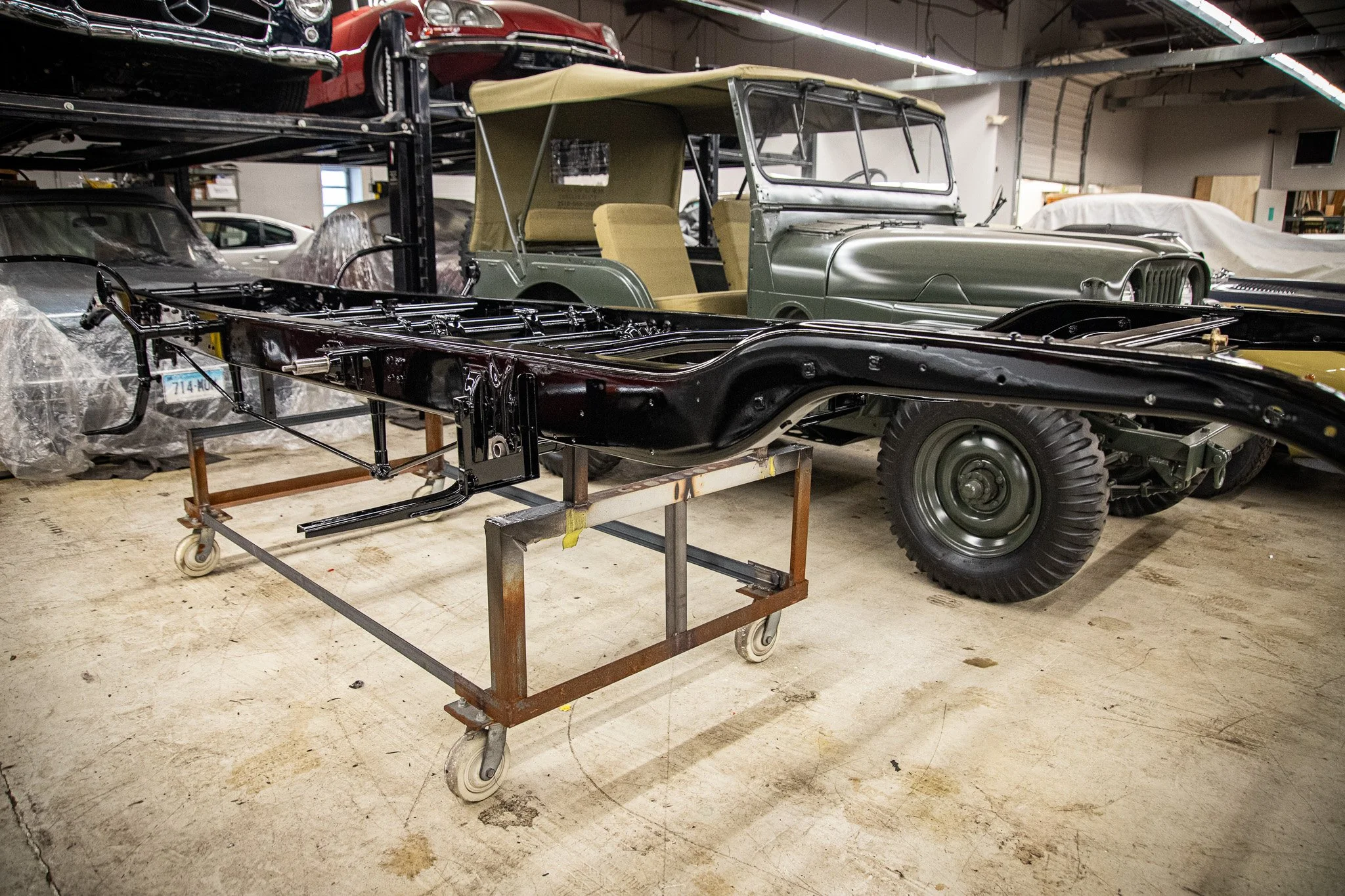
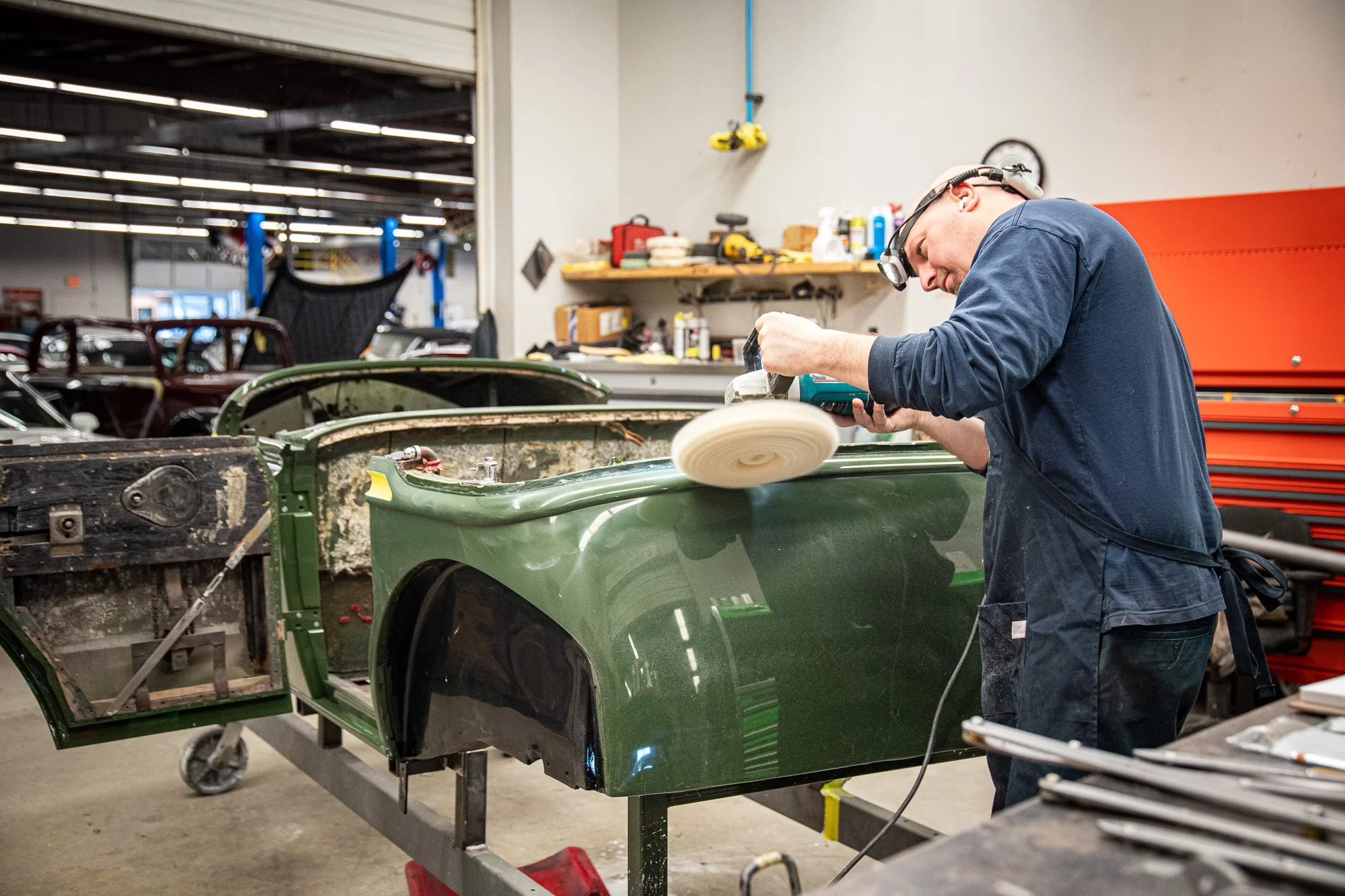
As reassembly progressed, the paintwork was meticulously buffed and corrected panel by panel. This final stage refined the finish to a level of clarity and depth that reads as authentic rather than excessive, ensuring the body’s surfaces were as precise and harmonious as the craftsmanship beneath them.
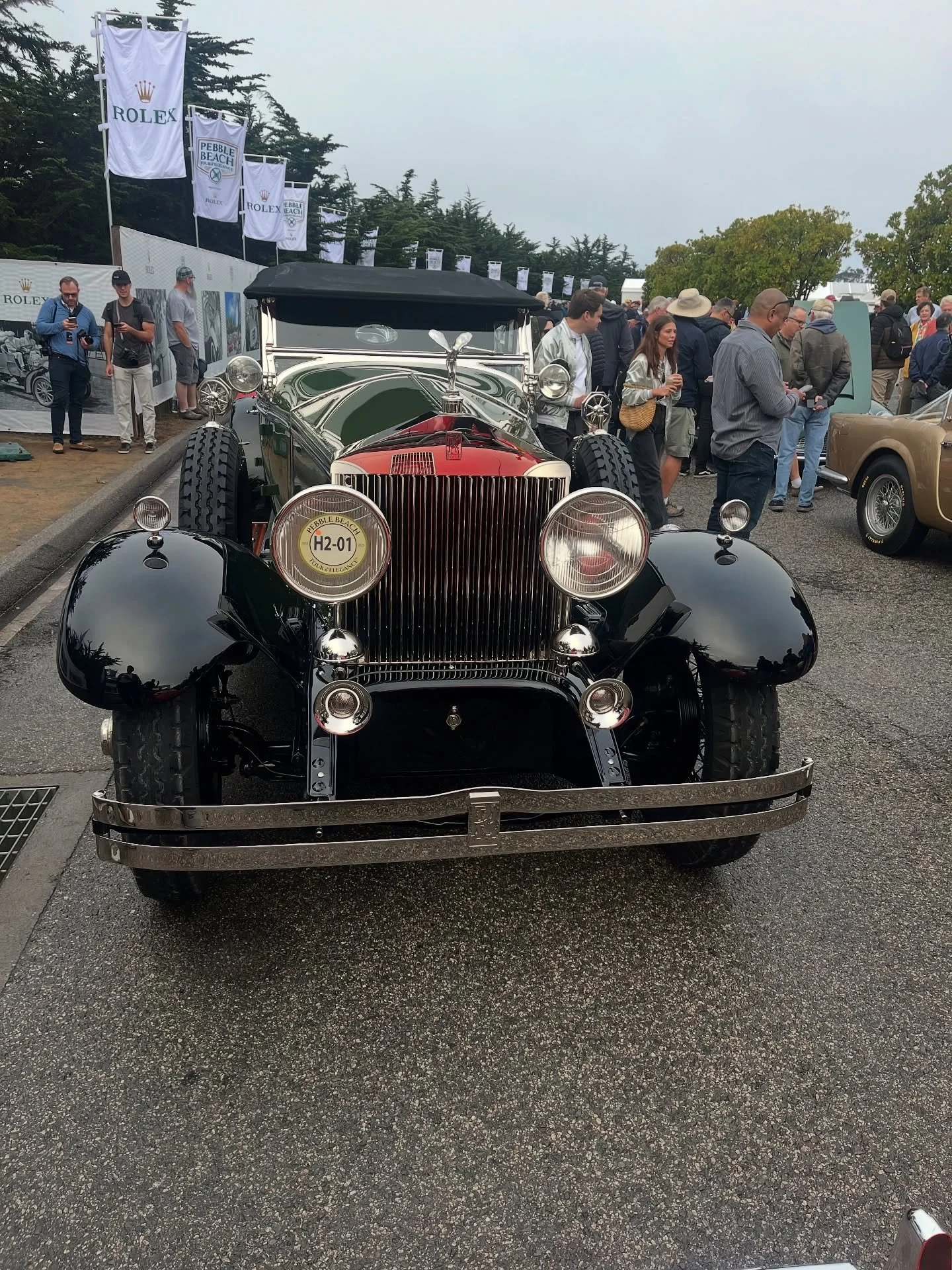
The Phantom proved itself not just under scrutiny, but on the road. At Pebble Beach, it completed the 70-mile Tour d’Elegance with ease, running effortlessly and reminding everyone what these cars were built to do. During judging, every detail was tested, from the starter to the magnetos, all functioning exactly as they should.
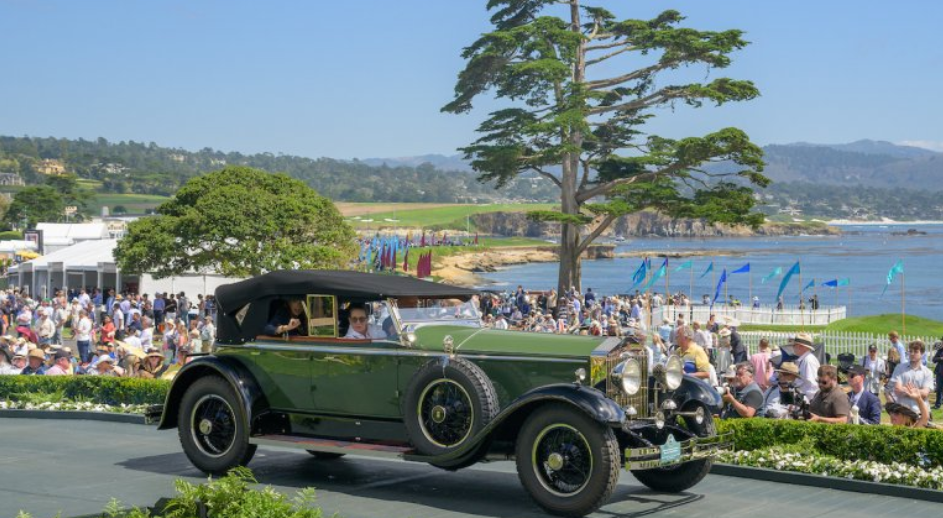
The Phantom proved itself not just under scrutiny, but on the road. At Pebble Beach, it completed the 70-mile Tour d’Elegance with ease, running effortlessly and reminding everyone what these cars were built to do. During judging, every detail was tested, from the starter to the magnetos, all functioning exactly as they should.
That weekend would go on to be described as the Audrain Museum Network’s most successful Pebble Beach ever, with first, second, and third-place finishes across their entries. This Phantom I played a key role in that achievement, earning First in Class, H-2, at the Pebble Beach Concours d’Elegance.
To see this car judged among the finest automobiles in the world and recognized for its accuracy, craftsmanship, and restraint was deeply rewarding. It was a true honor to work alongside Nicholas and Shelley Schorsch, the Audrain Collection, and the Audrain Automobile Museum in returning this remarkable Rolls-Royce to a standard worthy of its history.